The Silent Watchers: Unpacking the Hidden Privacy Risks of Your Robot Vacuum's Cameras and Microphones
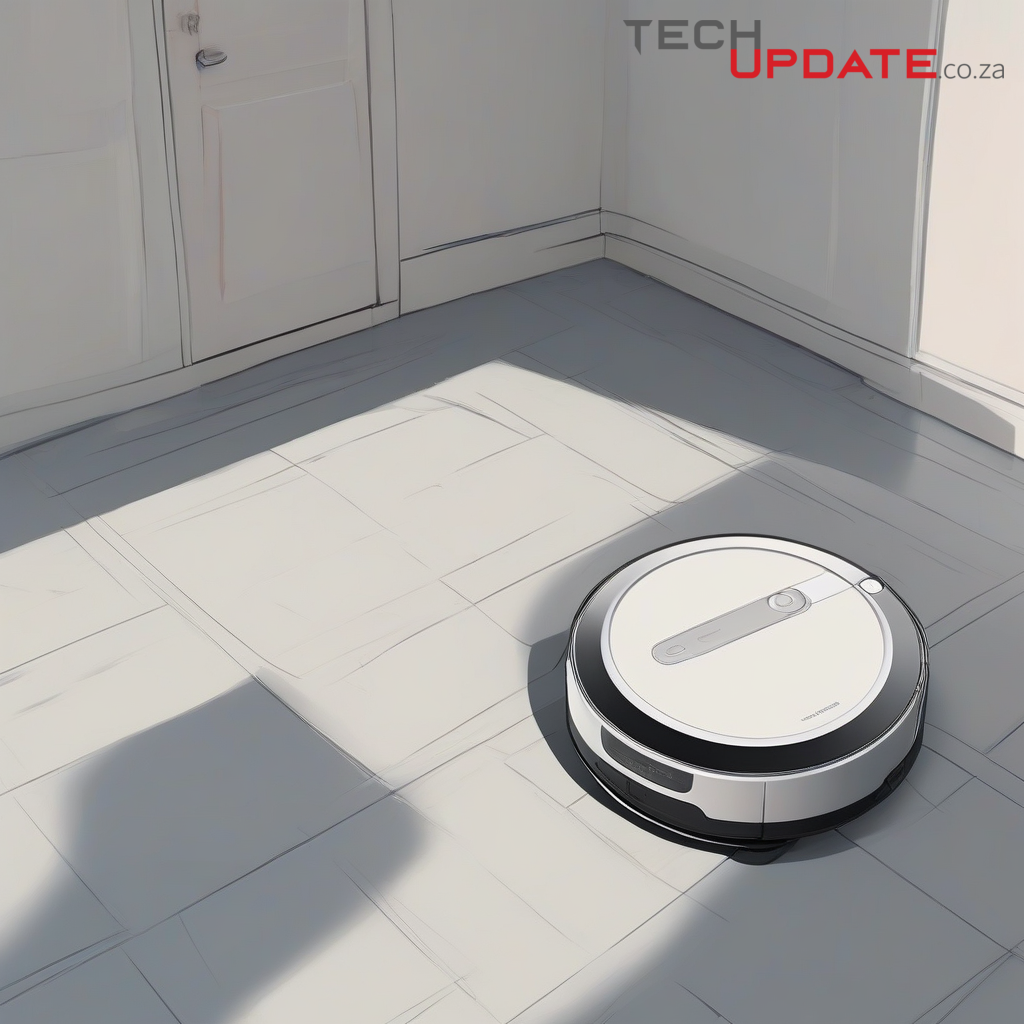
The Silent Watchers: Unpacking the Hidden Privacy Risks of Your Robot Vacuum's Cameras and Microphones
Modern robot vacuums are marvels of engineering, navigating our homes with increasing autonomy and efficiency. Equipped with sophisticated cameras, microphones, and an array of sensors, these devices offer unparalleled cleaning convenience. However, this advanced functionality comes with a critical trade-off: significant implications for personal privacy. While these features are essential for mapping and obstacle avoidance, the data they collect, how it's stored, and with whom it's shared warrants close scrutiny from every homeowner.
Beyond Cleaning: The Scope of Data Collection
The core utility of a robot vacuum lies in its ability to understand its environment. To achieve this, devices employ a range of technologies:
- Visual Mapping (Cameras): High-resolution cameras capture detailed images of your home's layout, furniture, personal belongings, and even occupants. This visual data creates precise internal maps, allowing the vacuum to navigate efficiently and identify specific areas.
- Acoustic Data (Microphones): Microphones are often integrated for voice command functionality, enabling users to initiate cleaning cycles or adjust settings. However, these microphones are capable of recording ambient sounds within your home, raising questions about unintended audio capture.
- Environmental Sensors: Lidar, infrared, and other sensors collect data on room dimensions, obstacles, and dirt levels, further enhancing the device's operational intelligence.
This rich tapestry of information is far more comprehensive than many consumers realize, forming a digital blueprint of their private living spaces.
The Cloud Conundrum: Storage and Security
Once collected, this sensitive data is typically uploaded to the manufacturer's cloud servers. The security measures employed to protect this data are paramount. Robust encryption, secure servers, and stringent access controls are essential to prevent unauthorized access. However, data breaches remain a persistent threat across all digital platforms, and a compromised robot vacuum account could expose highly intimate details of a user's home life.
Moreover, the retention policies for this data vary widely among manufacturers. Understanding how long your home's visual and acoustic data is stored, and under what conditions it might be deleted, is a fundamental aspect of managing your digital footprint.
Who Sees Your Home? The Peril of Data Sharing
Perhaps the most concerning aspect of robot vacuum privacy is the potential for data sharing. Manufacturers often reserve the right to share aggregated or anonymized data with third parties for "service improvement," research, or even commercial purposes. In some documented cases, raw visual data, including images of individuals in their homes, has been accessed and even disseminated by contractors or third-party developers working with vacuum manufacturers.
This sharing can occur without explicit, granular user consent, often buried deep within lengthy terms of service and privacy policies that few consumers thoroughly read. The implications are profound, transforming a private living space into a potential source of exploitable data for advertising, targeted marketing, or more nefarious purposes.
Mitigating the Risks: Steps for the Consumer
While the privacy concerns are significant, consumers are not powerless. Informed decision-making and proactive measures can help mitigate risks:
- Read Privacy Policies: Before purchasing, meticulously review the manufacturer's privacy policy and terms of service. Pay close attention to data collection, storage, and sharing practices.
- Understand Data Retention: Inquire about how long data is stored and if it can be deleted upon request.
- Adjust Settings: Utilize in-app privacy settings to limit data collection where possible, such as disabling camera feeds or microphone access when not strictly necessary.
- Network Security: Ensure your home Wi-Fi network is secure with a strong, unique password to prevent unauthorized access to your smart devices.
- Consider Alternatives: If privacy is a paramount concern, explore robot vacuum models that prioritize on-device processing and minimize cloud reliance.
Summary
Robot vacuums, with their integrated cameras and microphones, offer undeniable convenience but introduce considerable privacy challenges. The detailed visual and acoustic data these devices collect provides an intimate glimpse into our homes, and the mechanisms for its storage and sharing are often opaque. As these devices become more ubiquitous, understanding the inherent privacy risks and taking proactive steps to safeguard personal data is no longer optional—it is an essential component of modern home security and digital literacy. Consumers must demand greater transparency and control over their private information from manufacturers.
Resources
Details
Author
Top articles




 }})
You can now watch HBO Max for $10
Latest articles




You can now watch HBO Max for $10
The Silent Watchers: Unpacking the Hidden Privacy Risks of Your Robot Vacuum's Cameras and Microphones
Modern robot vacuums are marvels of engineering, navigating our homes with increasing autonomy and efficiency. Equipped with sophisticated cameras, microphones, and an array of sensors, these devices offer unparalleled cleaning convenience. However, this advanced functionality comes with a critical trade-off: significant implications for personal privacy. While these features are essential for mapping and obstacle avoidance, the data they collect, how it's stored, and with whom it's shared warrants close scrutiny from every homeowner.
Beyond Cleaning: The Scope of Data Collection
The core utility of a robot vacuum lies in its ability to understand its environment. To achieve this, devices employ a range of technologies:
- Visual Mapping (Cameras): High-resolution cameras capture detailed images of your home's layout, furniture, personal belongings, and even occupants. This visual data creates precise internal maps, allowing the vacuum to navigate efficiently and identify specific areas.
- Acoustic Data (Microphones): Microphones are often integrated for voice command functionality, enabling users to initiate cleaning cycles or adjust settings. However, these microphones are capable of recording ambient sounds within your home, raising questions about unintended audio capture.
- Environmental Sensors: Lidar, infrared, and other sensors collect data on room dimensions, obstacles, and dirt levels, further enhancing the device's operational intelligence.
This rich tapestry of information is far more comprehensive than many consumers realize, forming a digital blueprint of their private living spaces.
The Cloud Conundrum: Storage and Security
Once collected, this sensitive data is typically uploaded to the manufacturer's cloud servers. The security measures employed to protect this data are paramount. Robust encryption, secure servers, and stringent access controls are essential to prevent unauthorized access. However, data breaches remain a persistent threat across all digital platforms, and a compromised robot vacuum account could expose highly intimate details of a user's home life.
Moreover, the retention policies for this data vary widely among manufacturers. Understanding how long your home's visual and acoustic data is stored, and under what conditions it might be deleted, is a fundamental aspect of managing your digital footprint.
Who Sees Your Home? The Peril of Data Sharing
Perhaps the most concerning aspect of robot vacuum privacy is the potential for data sharing. Manufacturers often reserve the right to share aggregated or anonymized data with third parties for "service improvement," research, or even commercial purposes. In some documented cases, raw visual data, including images of individuals in their homes, has been accessed and even disseminated by contractors or third-party developers working with vacuum manufacturers.
This sharing can occur without explicit, granular user consent, often buried deep within lengthy terms of service and privacy policies that few consumers thoroughly read. The implications are profound, transforming a private living space into a potential source of exploitable data for advertising, targeted marketing, or more nefarious purposes.
Mitigating the Risks: Steps for the Consumer
While the privacy concerns are significant, consumers are not powerless. Informed decision-making and proactive measures can help mitigate risks:
- Read Privacy Policies: Before purchasing, meticulously review the manufacturer's privacy policy and terms of service. Pay close attention to data collection, storage, and sharing practices.
- Understand Data Retention: Inquire about how long data is stored and if it can be deleted upon request.
- Adjust Settings: Utilize in-app privacy settings to limit data collection where possible, such as disabling camera feeds or microphone access when not strictly necessary.
- Network Security: Ensure your home Wi-Fi network is secure with a strong, unique password to prevent unauthorized access to your smart devices.
- Consider Alternatives: If privacy is a paramount concern, explore robot vacuum models that prioritize on-device processing and minimize cloud reliance.
Summary
Robot vacuums, with their integrated cameras and microphones, offer undeniable convenience but introduce considerable privacy challenges. The detailed visual and acoustic data these devices collect provides an intimate glimpse into our homes, and the mechanisms for its storage and sharing are often opaque. As these devices become more ubiquitous, understanding the inherent privacy risks and taking proactive steps to safeguard personal data is no longer optional—it is an essential component of modern home security and digital literacy. Consumers must demand greater transparency and control over their private information from manufacturers.
Resources
Top articles
You can now watch HBO Max for $10
Latest articles
You can now watch HBO Max for $10
Similar posts


This is a page that only logged-in people can visit. Don't you feel special? Try clicking on a button below to do some things you can't do when you're logged out.
Example modal
At your leisure, please peruse this excerpt from a whale of a tale.
Chapter 1: Loomings.
Call me Ishmael. Some years ago—never mind how long precisely—having little or no money in my purse, and nothing particular to interest me on shore, I thought I would sail about a little and see the watery part of the world. It is a way I have of driving off the spleen and regulating the circulation. Whenever I find myself growing grim about the mouth; whenever it is a damp, drizzly November in my soul; whenever I find myself involuntarily pausing before coffin warehouses, and bringing up the rear of every funeral I meet; and especially whenever my hypos get such an upper hand of me, that it requires a strong moral principle to prevent me from deliberately stepping into the street, and methodically knocking people's hats off—then, I account it high time to get to sea as soon as I can. This is my substitute for pistol and ball. With a philosophical flourish Cato throws himself upon his sword; I quietly take to the ship. There is nothing surprising in this. If they but knew it, almost all men in their degree, some time or other, cherish very nearly the same feelings towards the ocean with me.
Comment