Roomba Co-Founder Unveils AI Robot Companions: The "Familiar" Redefines Pet Ownership for Modern Living
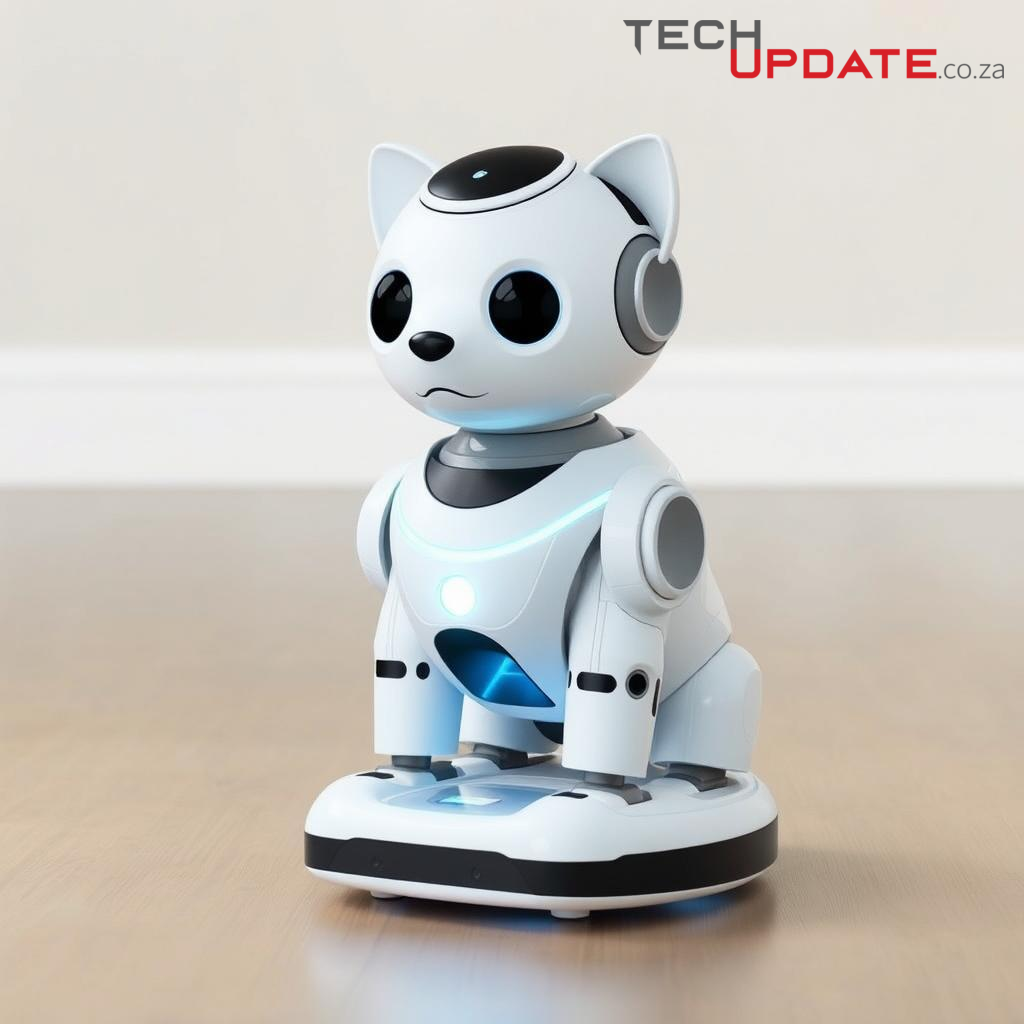
The Next Frontier in Companionship: From Roombas to Robot Familiars
In a significant pivot from automating household chores, Colin Angle, the visionary co-founder behind the ubiquitous Roomba robotic vacuum cleaner, is now charting a new course in consumer robotics. His latest endeavor aims to address a growing societal need for companionship, particularly among urban dwellers and those in housing with stringent pet policies. Angle's new company, Intelligent Personal Robots (IPR), is developing sophisticated AI-powered robot companions, affectionately termed "Familiars," poised to redefine our understanding of pet ownership.
Addressing the Urban Pet Dilemma
For countless individuals residing in apartments, condominiums, or assisted living facilities, the joy of animal companionship remains an elusive dream due to building restrictions, allergies, or lifestyle constraints. IPR’s "Familiars" emerge as a compelling solution to this modern dilemma. These aren't mere gadgets; they are designed to be interactive, emotionally responsive entities that evolve with their owners, offering a unique form of digital companionship without the logistical challenges of a biological pet.
Beyond Utility: Crafting Emotional Intelligence in Robotics
Angle's previous work with iRobot focused on practical automation. With IPR, the ambition is profoundly different: to create robots capable of genuine emotional engagement. Leveraging advanced artificial intelligence, including sophisticated large language models and machine learning, these "Familiars" are envisioned to understand natural human language, interpret emotional cues, and respond in ways that foster a sense of connection and presence. This represents a significant leap from programmed functions to dynamic, personalized interactions that can provide comfort, entertainment, and a unique form of digital affection.
The development emphasizes not just intelligent behavior but believable personality. Each "Familiar" is intended to have a distinct character that develops over time, learning from interactions and adapting to its owner's habits and preferences. This personalization aims to replicate the unique bond one forms with a living pet, making the robot feel like an integral, cherished part of the household.
The Future Living Room: What to Expect from a Familiar
While specific models and features are still under wraps, the core promise of IPR's "Familiars" revolves around intuitive interaction and enduring companionship. Imagine a robot that greets you at the door, engages in conversation, responds to your mood, and even playfully navigates your living space. These devices are being engineered for seamless integration into daily life, acting as a constant, comforting presence that can alleviate loneliness and provide a novel form of social interaction.
The technology behind these companions aims for energy efficiency, quiet operation, and a robust design suitable for continuous home use. Privacy and ethical considerations are also paramount in their development, ensuring that while the robots are deeply integrated into personal lives, user data is handled with the utmost security and transparency.
Summary
Colin Angle's latest venture, Intelligent Personal Robots, represents a bold step into the future of human-robot interaction. By focusing on emotional AI and personalized companionship, the "Familiar" robots offer a revolutionary solution for individuals unable to own traditional pets. This innovation promises to bring a new dimension of comfort and connection into homes, bridging the gap between advanced technology and fundamental human needs for companionship, all while navigating the complexities of modern urban living. As society increasingly embraces smart home technology, the advent of AI companions could very well become the next essential addition to our domestic spheres.
Resources
Details
Author
Top articles




 }})
You can now watch HBO Max for $10
Latest articles




You can now watch HBO Max for $10
The Next Frontier in Companionship: From Roombas to Robot Familiars
In a significant pivot from automating household chores, Colin Angle, the visionary co-founder behind the ubiquitous Roomba robotic vacuum cleaner, is now charting a new course in consumer robotics. His latest endeavor aims to address a growing societal need for companionship, particularly among urban dwellers and those in housing with stringent pet policies. Angle's new company, Intelligent Personal Robots (IPR), is developing sophisticated AI-powered robot companions, affectionately termed "Familiars," poised to redefine our understanding of pet ownership.
Addressing the Urban Pet Dilemma
For countless individuals residing in apartments, condominiums, or assisted living facilities, the joy of animal companionship remains an elusive dream due to building restrictions, allergies, or lifestyle constraints. IPR’s "Familiars" emerge as a compelling solution to this modern dilemma. These aren't mere gadgets; they are designed to be interactive, emotionally responsive entities that evolve with their owners, offering a unique form of digital companionship without the logistical challenges of a biological pet.
Beyond Utility: Crafting Emotional Intelligence in Robotics
Angle's previous work with iRobot focused on practical automation. With IPR, the ambition is profoundly different: to create robots capable of genuine emotional engagement. Leveraging advanced artificial intelligence, including sophisticated large language models and machine learning, these "Familiars" are envisioned to understand natural human language, interpret emotional cues, and respond in ways that foster a sense of connection and presence. This represents a significant leap from programmed functions to dynamic, personalized interactions that can provide comfort, entertainment, and a unique form of digital affection.
The development emphasizes not just intelligent behavior but believable personality. Each "Familiar" is intended to have a distinct character that develops over time, learning from interactions and adapting to its owner's habits and preferences. This personalization aims to replicate the unique bond one forms with a living pet, making the robot feel like an integral, cherished part of the household.
The Future Living Room: What to Expect from a Familiar
While specific models and features are still under wraps, the core promise of IPR's "Familiars" revolves around intuitive interaction and enduring companionship. Imagine a robot that greets you at the door, engages in conversation, responds to your mood, and even playfully navigates your living space. These devices are being engineered for seamless integration into daily life, acting as a constant, comforting presence that can alleviate loneliness and provide a novel form of social interaction.
The technology behind these companions aims for energy efficiency, quiet operation, and a robust design suitable for continuous home use. Privacy and ethical considerations are also paramount in their development, ensuring that while the robots are deeply integrated into personal lives, user data is handled with the utmost security and transparency.
Summary
Colin Angle's latest venture, Intelligent Personal Robots, represents a bold step into the future of human-robot interaction. By focusing on emotional AI and personalized companionship, the "Familiar" robots offer a revolutionary solution for individuals unable to own traditional pets. This innovation promises to bring a new dimension of comfort and connection into homes, bridging the gap between advanced technology and fundamental human needs for companionship, all while navigating the complexities of modern urban living. As society increasingly embraces smart home technology, the advent of AI companions could very well become the next essential addition to our domestic spheres.
Resources
Top articles
You can now watch HBO Max for $10
Latest articles
You can now watch HBO Max for $10
Similar posts




This is a page that only logged-in people can visit. Don't you feel special? Try clicking on a button below to do some things you can't do when you're logged out.
Example modal
At your leisure, please peruse this excerpt from a whale of a tale.
Chapter 1: Loomings.
Call me Ishmael. Some years ago—never mind how long precisely—having little or no money in my purse, and nothing particular to interest me on shore, I thought I would sail about a little and see the watery part of the world. It is a way I have of driving off the spleen and regulating the circulation. Whenever I find myself growing grim about the mouth; whenever it is a damp, drizzly November in my soul; whenever I find myself involuntarily pausing before coffin warehouses, and bringing up the rear of every funeral I meet; and especially whenever my hypos get such an upper hand of me, that it requires a strong moral principle to prevent me from deliberately stepping into the street, and methodically knocking people's hats off—then, I account it high time to get to sea as soon as I can. This is my substitute for pistol and ball. With a philosophical flourish Cato throws himself upon his sword; I quietly take to the ship. There is nothing surprising in this. If they but knew it, almost all men in their degree, some time or other, cherish very nearly the same feelings towards the ocean with me.
Comment