A24's AI Partnership with Google DeepMind Sparks Outcry, Fans and 'Backrooms' Creator Demand Human-Centric Future

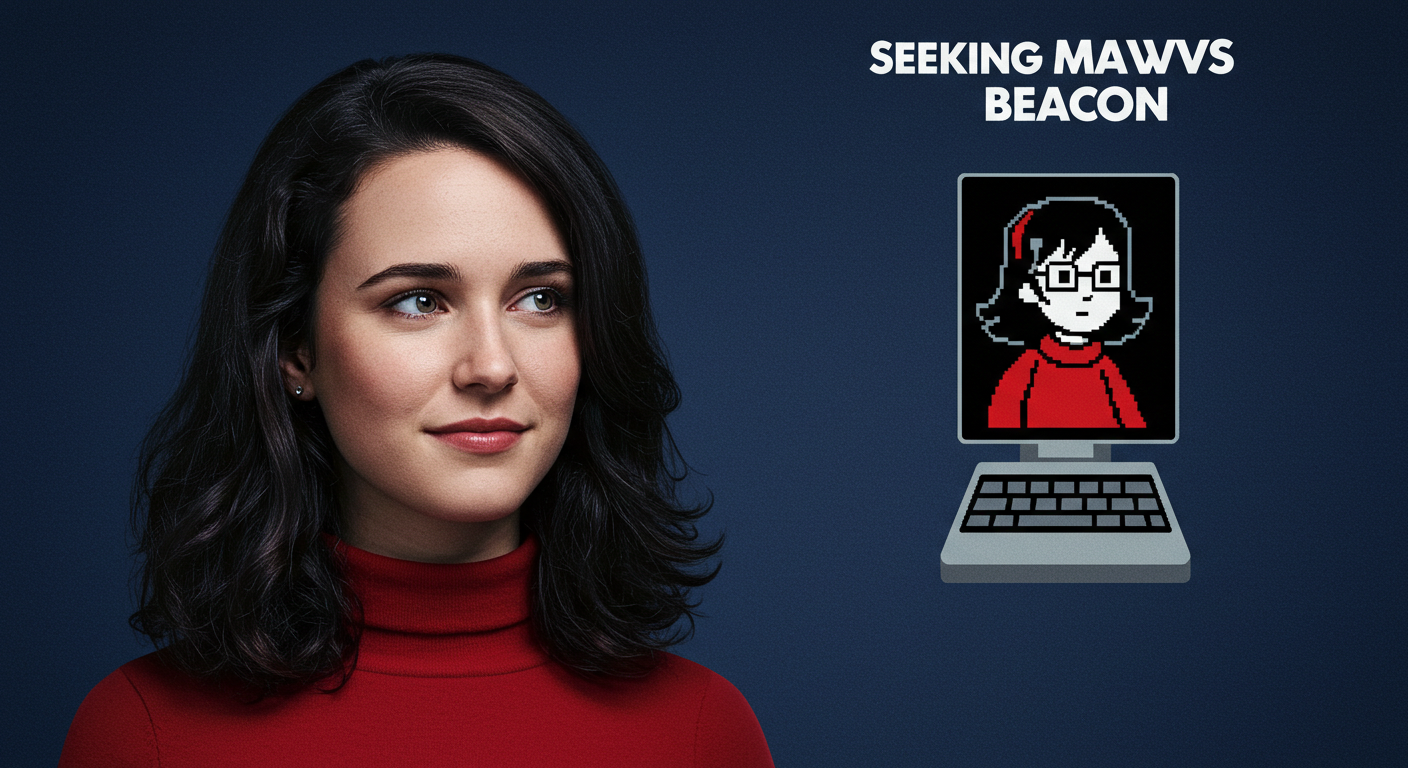
The acclaimed independent film studio A24, known for its distinctive and often groundbreaking cinematic releases, has recently ignited a firestorm of controversy following its announced partnership with Google DeepMind for AI research projects. The collaboration, intended to explore the intersection of artificial intelligence and creative processes, has been met with widespread disapproval from a significant portion of its fanbase and prominent creators, who view it as a troubling step towards devaluing human artistry in the entertainment industry.
A Partnership Under Scrutiny
A24's decision to align with Google DeepMind, a leading force in AI development, has been perceived by many as a betrayal of the studio's reputation for fostering unique, human-driven narratives. While A24 has framed the partnership as an exploratory venture into new creative frontiers, the announcement landed amidst an ongoing, industry-wide debate concerning the role and ethics of AI in film and television production. This context has amplified the negative reaction, with fans expressing profound concerns about job displacement, the commodification of creative labor, and the potential erosion of artistic integrity.
The sentiment resonating among the studio's audience is succinctly captured by the widely echoed demand: "We’d rather have a seat at the table." This statement underscores a desire for human creators, writers, and artists to be prioritized and included in the evolving landscape of content creation, rather than being sidelined by automated processes.
Kane Parsons Disavows AI for 'Backrooms'
Adding a notable voice to the chorus of criticism is Kane Parsons, the visionary director behind the highly popular "Backrooms" web series. Parsons, whose work garnered significant attention and led to a feature film deal with A24, has publicly distanced his project from any potential AI involvement stemming from the new partnership. He made his position unequivocally clear, stating that he is "making it very clear those resources are not to be spent on Backrooms.”
Parsons' strong stance highlights a broader anxiety within the creative community. Many artists fear that studio partnerships with AI companies could lead to pressures to integrate AI into their projects, potentially compromising their artistic vision and the authenticity of their work. His direct intervention regarding "Backrooms" serves as a powerful testament to the commitment of many creators to maintain human control over their artistic output, especially when dealing with projects that have cultivated a dedicated fanbase through organic, human-led creativity.
Broader Industry Implications and Fan Engagement
The A24-Google DeepMind controversy is not an isolated incident but rather a microcosm of larger tensions bubbling within the entertainment sector. As AI technologies advance, the debate surrounding their application in creative fields intensifies, encompassing concerns over intellectual property rights, fair compensation for human artists, and the very definition of creativity itself. This backlash underscores the importance of transparency and ethical considerations when integrating advanced technologies into sensitive industries like film and art, where human connection and narrative authenticity are paramount.
Fans, often the most ardent supporters and consumers of creative content, are increasingly vocal about their expectations for how studios operate. Their collective response to A24's partnership demonstrates a powerful desire for studios to prioritize the well-being and livelihoods of human artists, ensuring that technological advancements serve to enhance, rather than diminish, the human element of storytelling.
Summary
A24's partnership with Google DeepMind has generated substantial controversy, revealing a significant disconnect between the studio's strategic initiatives and the expectations of its fanbase and creative collaborators. The strong opposition, exemplified by "Backrooms" director Kane Parsons' firm refusal to allow AI integration into his project, reflects widespread concerns about the impact of artificial intelligence on artistic integrity, creative jobs, and the future of human-centric storytelling within the film industry. The incident underscores the critical need for studios to engage thoughtfully with the ethical dimensions of AI and to prioritize the human element in their creative endeavors to maintain trust and authenticity with their audience.
Resources
Details
Author
Top articles



 }})
You can now watch HBO Max for $10
Latest articles




You can now watch HBO Max for $10
The acclaimed independent film studio A24, known for its distinctive and often groundbreaking cinematic releases, has recently ignited a firestorm of controversy following its announced partnership with Google DeepMind for AI research projects. The collaboration, intended to explore the intersection of artificial intelligence and creative processes, has been met with widespread disapproval from a significant portion of its fanbase and prominent creators, who view it as a troubling step towards devaluing human artistry in the entertainment industry.
A Partnership Under Scrutiny
A24's decision to align with Google DeepMind, a leading force in AI development, has been perceived by many as a betrayal of the studio's reputation for fostering unique, human-driven narratives. While A24 has framed the partnership as an exploratory venture into new creative frontiers, the announcement landed amidst an ongoing, industry-wide debate concerning the role and ethics of AI in film and television production. This context has amplified the negative reaction, with fans expressing profound concerns about job displacement, the commodification of creative labor, and the potential erosion of artistic integrity.
The sentiment resonating among the studio's audience is succinctly captured by the widely echoed demand: "We’d rather have a seat at the table." This statement underscores a desire for human creators, writers, and artists to be prioritized and included in the evolving landscape of content creation, rather than being sidelined by automated processes.
Kane Parsons Disavows AI for 'Backrooms'
Adding a notable voice to the chorus of criticism is Kane Parsons, the visionary director behind the highly popular "Backrooms" web series. Parsons, whose work garnered significant attention and led to a feature film deal with A24, has publicly distanced his project from any potential AI involvement stemming from the new partnership. He made his position unequivocally clear, stating that he is "making it very clear those resources are not to be spent on Backrooms.”
Parsons' strong stance highlights a broader anxiety within the creative community. Many artists fear that studio partnerships with AI companies could lead to pressures to integrate AI into their projects, potentially compromising their artistic vision and the authenticity of their work. His direct intervention regarding "Backrooms" serves as a powerful testament to the commitment of many creators to maintain human control over their artistic output, especially when dealing with projects that have cultivated a dedicated fanbase through organic, human-led creativity.
Broader Industry Implications and Fan Engagement
The A24-Google DeepMind controversy is not an isolated incident but rather a microcosm of larger tensions bubbling within the entertainment sector. As AI technologies advance, the debate surrounding their application in creative fields intensifies, encompassing concerns over intellectual property rights, fair compensation for human artists, and the very definition of creativity itself. This backlash underscores the importance of transparency and ethical considerations when integrating advanced technologies into sensitive industries like film and art, where human connection and narrative authenticity are paramount.
Fans, often the most ardent supporters and consumers of creative content, are increasingly vocal about their expectations for how studios operate. Their collective response to A24's partnership demonstrates a powerful desire for studios to prioritize the well-being and livelihoods of human artists, ensuring that technological advancements serve to enhance, rather than diminish, the human element of storytelling.
Summary
A24's partnership with Google DeepMind has generated substantial controversy, revealing a significant disconnect between the studio's strategic initiatives and the expectations of its fanbase and creative collaborators. The strong opposition, exemplified by "Backrooms" director Kane Parsons' firm refusal to allow AI integration into his project, reflects widespread concerns about the impact of artificial intelligence on artistic integrity, creative jobs, and the future of human-centric storytelling within the film industry. The incident underscores the critical need for studios to engage thoughtfully with the ethical dimensions of AI and to prioritize the human element in their creative endeavors to maintain trust and authenticity with their audience.
Resources
Top articles
You can now watch HBO Max for $10
Latest articles
You can now watch HBO Max for $10
Similar posts




This is a page that only logged-in people can visit. Don't you feel special? Try clicking on a button below to do some things you can't do when you're logged out.
Example modal
At your leisure, please peruse this excerpt from a whale of a tale.
Chapter 1: Loomings.
Call me Ishmael. Some years ago—never mind how long precisely—having little or no money in my purse, and nothing particular to interest me on shore, I thought I would sail about a little and see the watery part of the world. It is a way I have of driving off the spleen and regulating the circulation. Whenever I find myself growing grim about the mouth; whenever it is a damp, drizzly November in my soul; whenever I find myself involuntarily pausing before coffin warehouses, and bringing up the rear of every funeral I meet; and especially whenever my hypos get such an upper hand of me, that it requires a strong moral principle to prevent me from deliberately stepping into the street, and methodically knocking people's hats off—then, I account it high time to get to sea as soon as I can. This is my substitute for pistol and ball. With a philosophical flourish Cato throws himself upon his sword; I quietly take to the ship. There is nothing surprising in this. If they but knew it, almost all men in their degree, some time or other, cherish very nearly the same feelings towards the ocean with me.
Comment