Navigating the Digital Tides: Advancing Maritime Cybersecurity Through Integrated Technology and Policy Frameworks
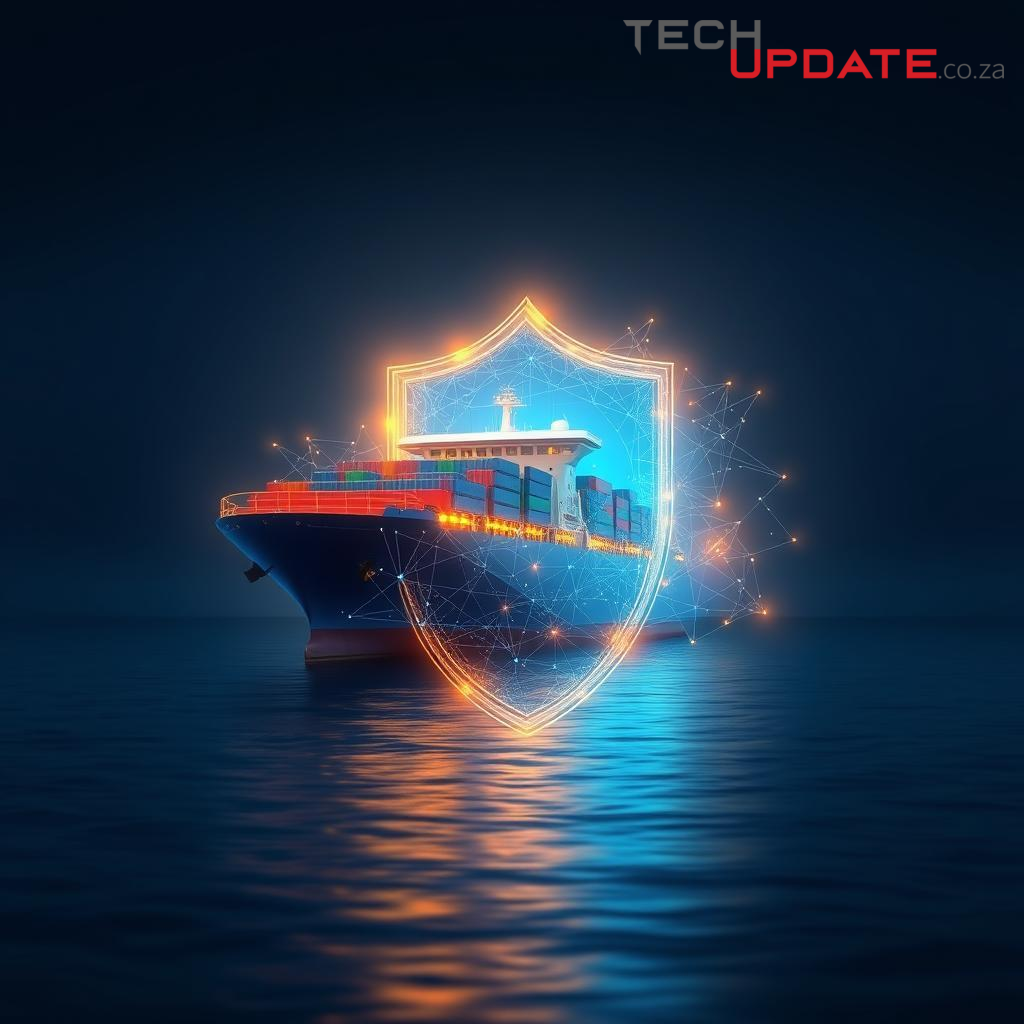
The vast, interconnected expanse of global maritime operations, once primarily concerned with physical security, now confronts a sophisticated and rapidly evolving digital threat landscape. From the sophisticated navigation systems on modern vessels to the intricate logistics networks of port facilities, every layer of the maritime ecosystem presents a potential vulnerability. Securing this critical infrastructure is no longer an optional add-on but a fundamental imperative, demanding a harmonized approach that integrates cutting-edge technology with robust policy.
The Evolving Maritime Cyber Threat Landscape
Maritime assets, both afloat and ashore, are increasingly digitized, creating a broader attack surface for malicious actors. Threats range from GPS spoofing and electronic interference designed to disrupt navigation, to ransomware attacks that cripple port operations and supply chains, and sophisticated infiltrations of operational technology (OT) systems controlling ship propulsion or cargo handling. These incidents carry significant economic implications, environmental risks, and even potential for loss of life, underscoring the urgency of comprehensive defense strategies. The international nature of shipping means that a cyber incident originating in one port can rapidly cascade across global trade routes, highlighting the interconnectedness of this challenge.
Technological Frontlines: Fortifying Defenses
Technological innovation is at the forefront of the battle for maritime cyber resilience. Advanced analytics, powered by artificial intelligence (AI) and machine learning (ML), are becoming indispensable for detecting anomalies and predicting potential attacks on shipboard systems and shore-side infrastructure. These tools can analyze vast datasets from sensors and network traffic, identifying subtle indicators of compromise that human operators might miss. Furthermore, securing the convergence of information technology (IT) and operational technology (OT) is paramount. This involves implementing robust segmentation, continuous monitoring of industrial control systems, and developing specialized threat intelligence tailored to the unique characteristics of maritime OT environments. Satellite communication systems, vital for remote vessel operations, also require enhanced encryption and authentication protocols to prevent interception or manipulation, ensuring the integrity of critical data flows.
Policy Imperatives: Shaping a Secure Future
Beyond technological safeguards, effective policy and governance are essential to cultivate a culture of cybersecurity across the maritime industry. International bodies like the International Maritime Organization (IMO) have taken significant steps, integrating cyber risk management into existing frameworks such as the International Safety Management (ISM) Code. These guidelines compel shipping companies to assess, manage, and mitigate cyber risks as part of their safety management systems. At the national level, governments are developing comprehensive maritime cybersecurity strategies that align with broader national security objectives, often involving collaboration between naval forces, coast guards, and civilian agencies. Moreover, international cooperation and information sharing are critical for combating transnational cyber threats. Establishing frameworks for intelligence exchange and coordinated incident response among nations can significantly enhance collective defense capabilities, creating a more resilient global maritime domain.
Conclusion: A Harmonized Approach to Maritime Resilience
Enhancing maritime cybersecurity demands a multi-faceted and integrated approach. It requires continuous investment in cutting-edge defensive technologies, coupled with the consistent development and rigorous enforcement of international and national policies. The complexity of the global maritime domain—with its diverse stakeholders, legacy systems, and dynamic threat landscape—necessitates a strategic vision that bridges technological advancements with diplomatic and regulatory efforts. By fostering a collaborative environment where innovation in security technology meets robust governance, the maritime industry can better protect its vital role in global commerce and security against an ever-present digital adversary.
Resources
- International Maritime Organization (IMO) - Guidelines on Maritime Cyber Risk Management
- United States Coast Guard (USCG) Cyber Command - Maritime Cyber Security Publications
- BIMCO (Baltic and International Maritime Council) - The Guidelines on Cyber Security Onboard Ships
Details
Author
Top articles





 }})
You can now watch HBO Max for $10
Latest articles





You can now watch HBO Max for $10
The vast, interconnected expanse of global maritime operations, once primarily concerned with physical security, now confronts a sophisticated and rapidly evolving digital threat landscape. From the sophisticated navigation systems on modern vessels to the intricate logistics networks of port facilities, every layer of the maritime ecosystem presents a potential vulnerability. Securing this critical infrastructure is no longer an optional add-on but a fundamental imperative, demanding a harmonized approach that integrates cutting-edge technology with robust policy.
The Evolving Maritime Cyber Threat Landscape
Maritime assets, both afloat and ashore, are increasingly digitized, creating a broader attack surface for malicious actors. Threats range from GPS spoofing and electronic interference designed to disrupt navigation, to ransomware attacks that cripple port operations and supply chains, and sophisticated infiltrations of operational technology (OT) systems controlling ship propulsion or cargo handling. These incidents carry significant economic implications, environmental risks, and even potential for loss of life, underscoring the urgency of comprehensive defense strategies. The international nature of shipping means that a cyber incident originating in one port can rapidly cascade across global trade routes, highlighting the interconnectedness of this challenge.
Technological Frontlines: Fortifying Defenses
Technological innovation is at the forefront of the battle for maritime cyber resilience. Advanced analytics, powered by artificial intelligence (AI) and machine learning (ML), are becoming indispensable for detecting anomalies and predicting potential attacks on shipboard systems and shore-side infrastructure. These tools can analyze vast datasets from sensors and network traffic, identifying subtle indicators of compromise that human operators might miss. Furthermore, securing the convergence of information technology (IT) and operational technology (OT) is paramount. This involves implementing robust segmentation, continuous monitoring of industrial control systems, and developing specialized threat intelligence tailored to the unique characteristics of maritime OT environments. Satellite communication systems, vital for remote vessel operations, also require enhanced encryption and authentication protocols to prevent interception or manipulation, ensuring the integrity of critical data flows.
Policy Imperatives: Shaping a Secure Future
Beyond technological safeguards, effective policy and governance are essential to cultivate a culture of cybersecurity across the maritime industry. International bodies like the International Maritime Organization (IMO) have taken significant steps, integrating cyber risk management into existing frameworks such as the International Safety Management (ISM) Code. These guidelines compel shipping companies to assess, manage, and mitigate cyber risks as part of their safety management systems. At the national level, governments are developing comprehensive maritime cybersecurity strategies that align with broader national security objectives, often involving collaboration between naval forces, coast guards, and civilian agencies. Moreover, international cooperation and information sharing are critical for combating transnational cyber threats. Establishing frameworks for intelligence exchange and coordinated incident response among nations can significantly enhance collective defense capabilities, creating a more resilient global maritime domain.
Conclusion: A Harmonized Approach to Maritime Resilience
Enhancing maritime cybersecurity demands a multi-faceted and integrated approach. It requires continuous investment in cutting-edge defensive technologies, coupled with the consistent development and rigorous enforcement of international and national policies. The complexity of the global maritime domain—with its diverse stakeholders, legacy systems, and dynamic threat landscape—necessitates a strategic vision that bridges technological advancements with diplomatic and regulatory efforts. By fostering a collaborative environment where innovation in security technology meets robust governance, the maritime industry can better protect its vital role in global commerce and security against an ever-present digital adversary.
Resources
- International Maritime Organization (IMO) - Guidelines on Maritime Cyber Risk Management
- United States Coast Guard (USCG) Cyber Command - Maritime Cyber Security Publications
- BIMCO (Baltic and International Maritime Council) - The Guidelines on Cyber Security Onboard Ships
Top articles
You can now watch HBO Max for $10
Latest articles
You can now watch HBO Max for $10
Similar posts




This is a page that only logged-in people can visit. Don't you feel special? Try clicking on a button below to do some things you can't do when you're logged out.
Example modal
At your leisure, please peruse this excerpt from a whale of a tale.
Chapter 1: Loomings.
Call me Ishmael. Some years ago—never mind how long precisely—having little or no money in my purse, and nothing particular to interest me on shore, I thought I would sail about a little and see the watery part of the world. It is a way I have of driving off the spleen and regulating the circulation. Whenever I find myself growing grim about the mouth; whenever it is a damp, drizzly November in my soul; whenever I find myself involuntarily pausing before coffin warehouses, and bringing up the rear of every funeral I meet; and especially whenever my hypos get such an upper hand of me, that it requires a strong moral principle to prevent me from deliberately stepping into the street, and methodically knocking people's hats off—then, I account it high time to get to sea as soon as I can. This is my substitute for pistol and ball. With a philosophical flourish Cato throws himself upon his sword; I quietly take to the ship. There is nothing surprising in this. If they but knew it, almost all men in their degree, some time or other, cherish very nearly the same feelings towards the ocean with me.
Comment