Beyond the Break: How Indie Devs Are Reshaping Rage Quitting with Ingenious Humor
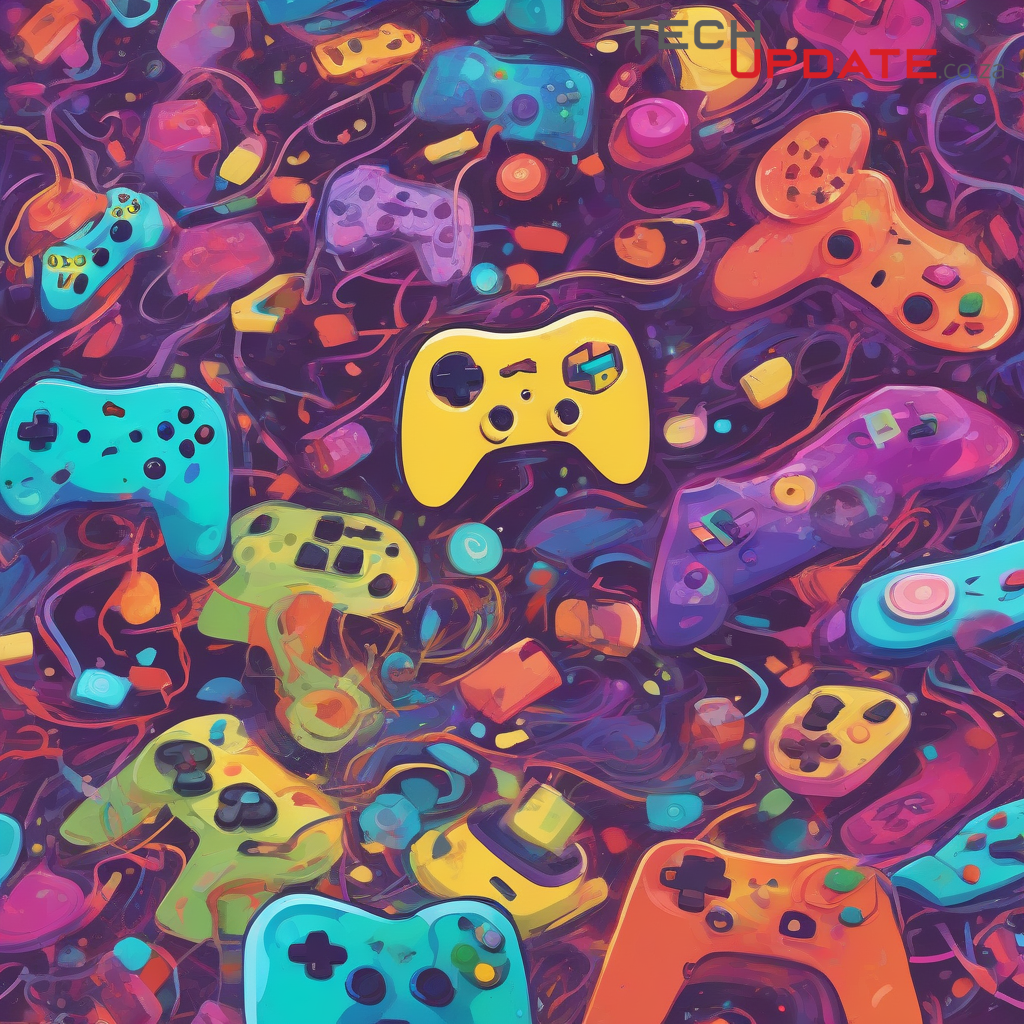
The Unwanted Disconnect: A Festering Wound in Online Gaming
Rage quitting remains one of the most persistent and frustrating aspects of online multiplayer gaming. The sudden departure of a teammate or opponent can disrupt game flow, sour the experience, and leave remaining players feeling cheated. This widespread issue has long been addressed with punitive measures, but an emerging trend among innovative indie developers suggests a more nuanced, even humorous, approach.
Understanding the "Tilt": The Psychology Behind the Exit
The phenomenon of "tilt" – a state of mental or emotional frustration leading to poor decisions – often culminates in a sudden game exit. While often perceived as rude, the act of rage quitting can stem from a complex mix of competitive pressure, perceived unfairness, and the desire to escape a negative experience. Traditional solutions, primarily focused on penalties like temporary bans or loss of rank, aim to deter the behavior but rarely address the underlying emotional state or offer a creative release for the player.
The Indie Ethos: A Playground for Creative Solutions
Independent game developers are renowned for their willingness to experiment and challenge conventions. Free from the commercial pressures and design orthodoxies of larger studios, indie devs frequently explore unconventional mechanics and player interactions. This fertile ground for innovation makes them ideal candidates to tackle challenging player behaviors like rage quitting, not just with deterrence, but with design that re-engages or even entertains.
Envisioning the "Funny Answer": Redefining the Disconnect Experience
Imagine a scenario where a sudden disconnect isn't met with a stark "player left" message, but with something entirely unexpected and disarming. While specific examples are varied and often emerge in the unique contexts of individual games, the core idea is to transform a negative event into a memorable, perhaps even amusing, moment. This could involve:
- Humorous Send-offs: A mini-game or animation triggered upon disconnect that comically portrays the player's abrupt exit, perhaps turning them into a fleeing chicken or a comically exploding robot.
- Narrative Integration: Weaving the "rage quit" into the game's lore or emergent narrative, offering a humorous in-game explanation for the character's disappearance.
- Non-Punitive, Engaging Feedback: Instead of just a ban, perhaps a personalized, light-hearted message reflecting on the player's "performance" or offering a silly "exit survey" to diffuse tension.
The objective is not to encourage quitting, but to acknowledge the human element of frustration and provide a lighter, more forgiving, and ultimately more positive experience, even in moments of perceived failure or anger. By infusing humor and creativity, these developers aim to soften the blow for the departing player and perhaps even for those left behind, fostering a more resilient and less toxic community.
Impact and Outlook: Fostering Better Player Communities
Such innovative approaches hold significant promise for improving the online gaming landscape. By offering alternatives to purely punitive measures, indie developers can contribute to a healthier ecosystem where frustration is acknowledged, and players are encouraged to return with a better mindset. This shift from simple punishment to creative engagement represents a forward-thinking approach to game design that prioritizes player well-being and fosters stronger, more positive communities.
Summary
Rage quitting is a persistent challenge in online gaming, traditionally met with strict penalties. However, indie game developers are pioneering a fresh approach, leveraging their innovative spirit to create humorous and engaging solutions that aim to soften the blow of disconnects. By transforming moments of frustration into something amusing or thought-provoking, these developers are not only addressing a prevalent issue but are also fostering more positive and resilient online communities. This creative pivot in game design promises a more empathetic and enjoyable future for online players.
Resources
Details
Author
Top articles




 }})
You can now watch HBO Max for $10
Latest articles





You can now watch HBO Max for $10
The Unwanted Disconnect: A Festering Wound in Online Gaming
Rage quitting remains one of the most persistent and frustrating aspects of online multiplayer gaming. The sudden departure of a teammate or opponent can disrupt game flow, sour the experience, and leave remaining players feeling cheated. This widespread issue has long been addressed with punitive measures, but an emerging trend among innovative indie developers suggests a more nuanced, even humorous, approach.
Understanding the "Tilt": The Psychology Behind the Exit
The phenomenon of "tilt" – a state of mental or emotional frustration leading to poor decisions – often culminates in a sudden game exit. While often perceived as rude, the act of rage quitting can stem from a complex mix of competitive pressure, perceived unfairness, and the desire to escape a negative experience. Traditional solutions, primarily focused on penalties like temporary bans or loss of rank, aim to deter the behavior but rarely address the underlying emotional state or offer a creative release for the player.
The Indie Ethos: A Playground for Creative Solutions
Independent game developers are renowned for their willingness to experiment and challenge conventions. Free from the commercial pressures and design orthodoxies of larger studios, indie devs frequently explore unconventional mechanics and player interactions. This fertile ground for innovation makes them ideal candidates to tackle challenging player behaviors like rage quitting, not just with deterrence, but with design that re-engages or even entertains.
Envisioning the "Funny Answer": Redefining the Disconnect Experience
Imagine a scenario where a sudden disconnect isn't met with a stark "player left" message, but with something entirely unexpected and disarming. While specific examples are varied and often emerge in the unique contexts of individual games, the core idea is to transform a negative event into a memorable, perhaps even amusing, moment. This could involve:
- Humorous Send-offs: A mini-game or animation triggered upon disconnect that comically portrays the player's abrupt exit, perhaps turning them into a fleeing chicken or a comically exploding robot.
- Narrative Integration: Weaving the "rage quit" into the game's lore or emergent narrative, offering a humorous in-game explanation for the character's disappearance.
- Non-Punitive, Engaging Feedback: Instead of just a ban, perhaps a personalized, light-hearted message reflecting on the player's "performance" or offering a silly "exit survey" to diffuse tension.
The objective is not to encourage quitting, but to acknowledge the human element of frustration and provide a lighter, more forgiving, and ultimately more positive experience, even in moments of perceived failure or anger. By infusing humor and creativity, these developers aim to soften the blow for the departing player and perhaps even for those left behind, fostering a more resilient and less toxic community.
Impact and Outlook: Fostering Better Player Communities
Such innovative approaches hold significant promise for improving the online gaming landscape. By offering alternatives to purely punitive measures, indie developers can contribute to a healthier ecosystem where frustration is acknowledged, and players are encouraged to return with a better mindset. This shift from simple punishment to creative engagement represents a forward-thinking approach to game design that prioritizes player well-being and fosters stronger, more positive communities.
Summary
Rage quitting is a persistent challenge in online gaming, traditionally met with strict penalties. However, indie game developers are pioneering a fresh approach, leveraging their innovative spirit to create humorous and engaging solutions that aim to soften the blow of disconnects. By transforming moments of frustration into something amusing or thought-provoking, these developers are not only addressing a prevalent issue but are also fostering more positive and resilient online communities. This creative pivot in game design promises a more empathetic and enjoyable future for online players.
Resources
Top articles
You can now watch HBO Max for $10
Latest articles
You can now watch HBO Max for $10
Similar posts


This is a page that only logged-in people can visit. Don't you feel special? Try clicking on a button below to do some things you can't do when you're logged out.
Example modal
At your leisure, please peruse this excerpt from a whale of a tale.
Chapter 1: Loomings.
Call me Ishmael. Some years ago—never mind how long precisely—having little or no money in my purse, and nothing particular to interest me on shore, I thought I would sail about a little and see the watery part of the world. It is a way I have of driving off the spleen and regulating the circulation. Whenever I find myself growing grim about the mouth; whenever it is a damp, drizzly November in my soul; whenever I find myself involuntarily pausing before coffin warehouses, and bringing up the rear of every funeral I meet; and especially whenever my hypos get such an upper hand of me, that it requires a strong moral principle to prevent me from deliberately stepping into the street, and methodically knocking people's hats off—then, I account it high time to get to sea as soon as I can. This is my substitute for pistol and ball. With a philosophical flourish Cato throws himself upon his sword; I quietly take to the ship. There is nothing surprising in this. If they but knew it, almost all men in their degree, some time or other, cherish very nearly the same feelings towards the ocean with me.
Comment