AI Data Centers Gain Grid Fast Lane, But Energy Supply Concerns Loom Unaddressed
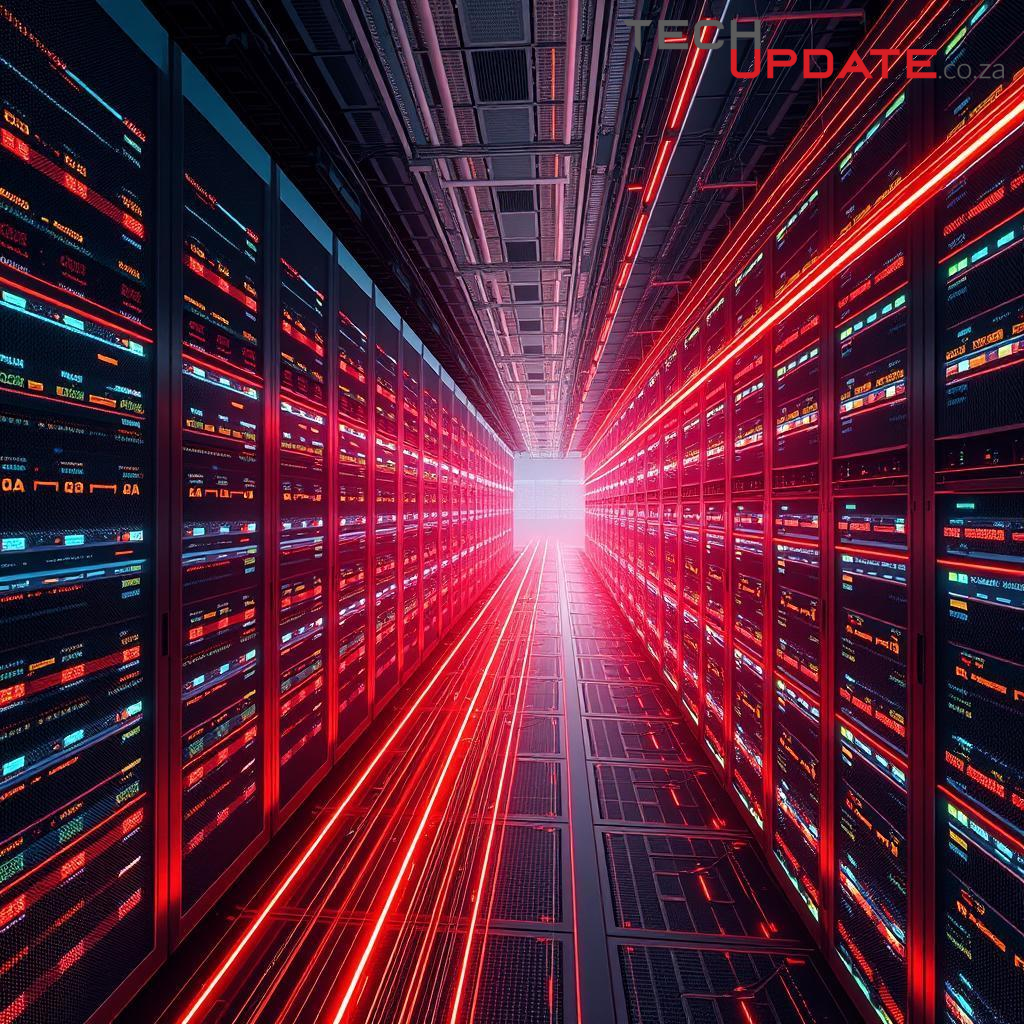
FERC Mandates Fast Lane for AI Data Centers, Overlooking Critical Supply Gaps
In a significant move poised to reshape the nation's energy landscape, the Federal Energy Regulatory Commission (FERC) has directed grid operators across the United States to prioritize the interconnection of AI data centers. While intended to accelerate the expansion of digital infrastructure crucial for the burgeoning artificial intelligence sector, this mandate has ignited a firestorm of criticism for failing to concurrently address the escalating concerns regarding electricity supply shortages.
The Interconnection Fast Lane: A Closer Look
FERC's directive essentially grants a "fast lane" to AI data centers within the often-congested interconnection queues. Historically, new power generation and large energy consumers face lengthy wait times—sometimes years—to connect to the national grid. The accelerated process aims to streamline the integration of these power-hungry facilities, recognizing their strategic importance in the digital economy. This prioritization underscores the federal government's implicit support for the rapid growth of AI technologies and the infrastructure required to power them.
The Elephant in the Grid: Unaddressed Supply Shortages
The core contention from industry experts and environmental advocates alike centers on FERC's perceived oversight of electricity generation capacity. The insatiable energy demands of AI data centers are well-documented; a single facility can consume as much power as a small city. While enabling faster connection, the ruling does not introduce parallel measures to boost electricity generation or improve grid resiliency. Critics argue that simply moving data centers to the front of the line without ensuring adequate power supply downplays a critical, impending energy challenge.
This imbalance could exacerbate existing grid vulnerabilities, particularly in regions already grappling with tight power margins or ambitious decarbonization goals. Without a corresponding increase in clean energy generation or robust demand-side management strategies, the rapid proliferation of AI data centers could strain existing resources, potentially leading to higher energy prices, grid instability, or even brownouts during peak demand periods.
Implications for the Future of Energy and Technology
The FERC decision presents a dual narrative: on one hand, it propels the nation towards a more AI-driven future by facilitating essential infrastructure development. On the other, it exposes a critical disconnect between technological advancement and foundational energy planning. The omission of a comprehensive strategy to bolster electricity supply alongside the accelerated demand could force a reckoning for grid operators and policymakers. Future policy interventions may need to address not just how quickly new loads connect, but also where the power for those loads will originate and how grid reliability will be maintained.
Summary
FERC's mandate to fast-track AI data center interconnections signals a clear prioritization of digital infrastructure development. However, by failing to simultaneously address the underlying issue of electricity supply shortages, the commission has created a policy that could inadvertently stress an already fragile energy grid. The decision highlights an urgent need for integrated planning that balances technological ambition with fundamental energy security and sustainability.
Resources
Details
Author
Top articles




 }})
You can now watch HBO Max for $10
Latest articles




You can now watch HBO Max for $10
FERC Mandates Fast Lane for AI Data Centers, Overlooking Critical Supply Gaps
In a significant move poised to reshape the nation's energy landscape, the Federal Energy Regulatory Commission (FERC) has directed grid operators across the United States to prioritize the interconnection of AI data centers. While intended to accelerate the expansion of digital infrastructure crucial for the burgeoning artificial intelligence sector, this mandate has ignited a firestorm of criticism for failing to concurrently address the escalating concerns regarding electricity supply shortages.
The Interconnection Fast Lane: A Closer Look
FERC's directive essentially grants a "fast lane" to AI data centers within the often-congested interconnection queues. Historically, new power generation and large energy consumers face lengthy wait times—sometimes years—to connect to the national grid. The accelerated process aims to streamline the integration of these power-hungry facilities, recognizing their strategic importance in the digital economy. This prioritization underscores the federal government's implicit support for the rapid growth of AI technologies and the infrastructure required to power them.
The Elephant in the Grid: Unaddressed Supply Shortages
The core contention from industry experts and environmental advocates alike centers on FERC's perceived oversight of electricity generation capacity. The insatiable energy demands of AI data centers are well-documented; a single facility can consume as much power as a small city. While enabling faster connection, the ruling does not introduce parallel measures to boost electricity generation or improve grid resiliency. Critics argue that simply moving data centers to the front of the line without ensuring adequate power supply downplays a critical, impending energy challenge.
This imbalance could exacerbate existing grid vulnerabilities, particularly in regions already grappling with tight power margins or ambitious decarbonization goals. Without a corresponding increase in clean energy generation or robust demand-side management strategies, the rapid proliferation of AI data centers could strain existing resources, potentially leading to higher energy prices, grid instability, or even brownouts during peak demand periods.
Implications for the Future of Energy and Technology
The FERC decision presents a dual narrative: on one hand, it propels the nation towards a more AI-driven future by facilitating essential infrastructure development. On the other, it exposes a critical disconnect between technological advancement and foundational energy planning. The omission of a comprehensive strategy to bolster electricity supply alongside the accelerated demand could force a reckoning for grid operators and policymakers. Future policy interventions may need to address not just how quickly new loads connect, but also where the power for those loads will originate and how grid reliability will be maintained.
Summary
FERC's mandate to fast-track AI data center interconnections signals a clear prioritization of digital infrastructure development. However, by failing to simultaneously address the underlying issue of electricity supply shortages, the commission has created a policy that could inadvertently stress an already fragile energy grid. The decision highlights an urgent need for integrated planning that balances technological ambition with fundamental energy security and sustainability.
Resources
Top articles
You can now watch HBO Max for $10
Latest articles
You can now watch HBO Max for $10
Similar posts


This is a page that only logged-in people can visit. Don't you feel special? Try clicking on a button below to do some things you can't do when you're logged out.
Example modal
At your leisure, please peruse this excerpt from a whale of a tale.
Chapter 1: Loomings.
Call me Ishmael. Some years ago—never mind how long precisely—having little or no money in my purse, and nothing particular to interest me on shore, I thought I would sail about a little and see the watery part of the world. It is a way I have of driving off the spleen and regulating the circulation. Whenever I find myself growing grim about the mouth; whenever it is a damp, drizzly November in my soul; whenever I find myself involuntarily pausing before coffin warehouses, and bringing up the rear of every funeral I meet; and especially whenever my hypos get such an upper hand of me, that it requires a strong moral principle to prevent me from deliberately stepping into the street, and methodically knocking people's hats off—then, I account it high time to get to sea as soon as I can. This is my substitute for pistol and ball. With a philosophical flourish Cato throws himself upon his sword; I quietly take to the ship. There is nothing surprising in this. If they but knew it, almost all men in their degree, some time or other, cherish very nearly the same feelings towards the ocean with me.
Comment