Moonshot AI Unveils Kimi K2.5 and Advanced Coding Agent, Fueled by Extensive Multimodal Training
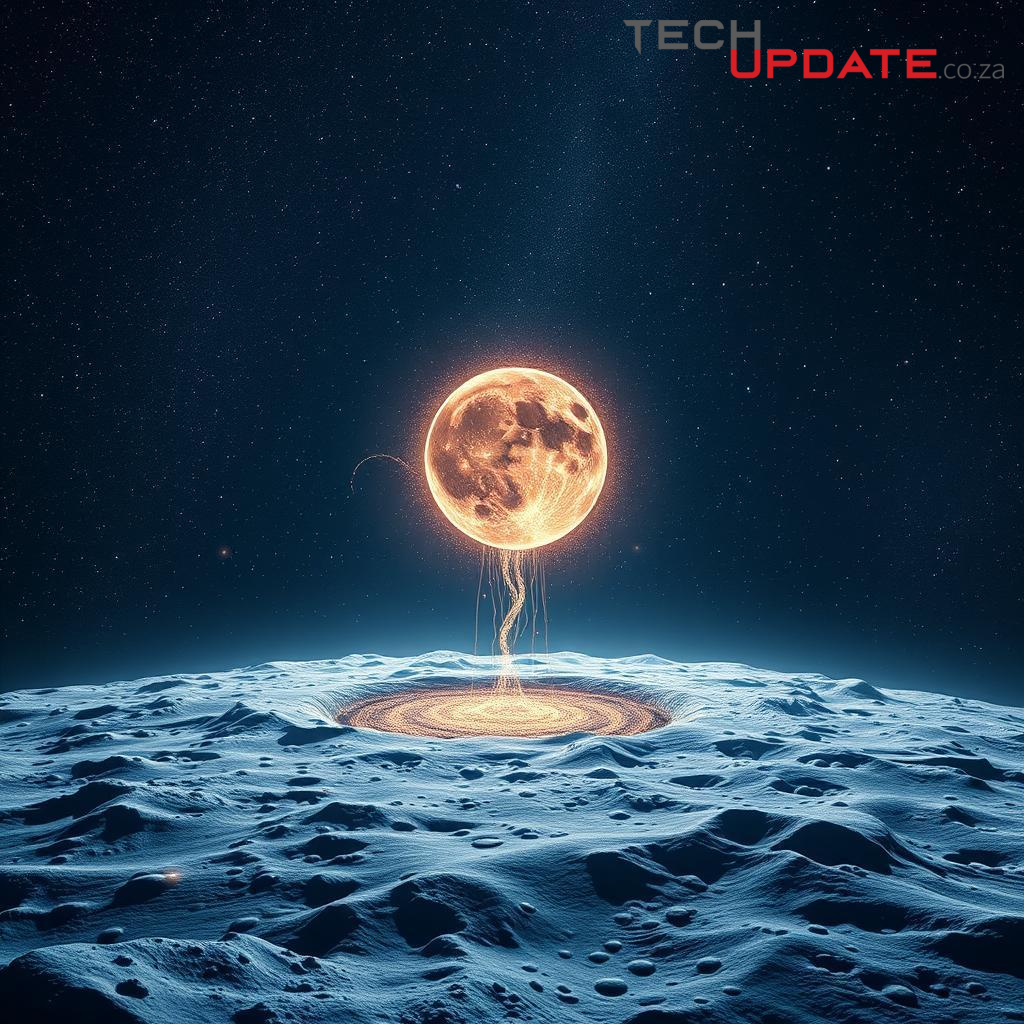
China's Moonshot AI Accelerates with Kimi K2.5 and Specialist Coding Agent
Beijing-based artificial intelligence innovator, Moonshot AI, has announced a significant advancement in its Kimi chatbot ecosystem with the release of the K2.5 large language model and a sophisticated coding agent. This development positions the company as a formidable player in the global AI landscape, particularly in the competitive Chinese market.
The K2.5 model represents a substantial leap in computational capability and understanding. According to company statements, the model was meticulously trained on an expansive dataset comprising 15 trillion mixed visual and text tokens. This colossal multimodal training regimen underpins K2.5's enhanced ability to process, interpret, and generate a wider array of information, promising more nuanced and contextually aware interactions.
The Strategic Rollout of a Dedicated Coding Agent
Alongside the foundational K2.5 model, Moonshot AI has introduced a specialized coding agent designed to streamline and automate various aspects of software development. This agent is expected to assist developers with tasks ranging from code generation and debugging to refactoring and project scaffolding. The integration of such a tool within the Kimi platform underscores a strategic pivot towards practical, industry-specific applications, moving beyond general conversational AI.
The introduction of a coding agent is particularly noteworthy given the increasing demand for AI-powered developer tools. By providing robust assistance in programming, Moonshot AI aims to augment human productivity and reduce development cycles, potentially impacting a broad spectrum of tech industries.
Broader Implications for the AI Ecosystem
Moonshot AI, established by former Google and Kuaishou employees, has rapidly gained traction, notably for its long-context window capabilities in earlier Kimi iterations. The release of K2.5 and the coding agent demonstrates a commitment to continuous innovation and expansion of its product offerings. This move intensifies competition with other major AI players in China, such as Baidu, Alibaba, and Tencent, all vying for dominance in the burgeoning domestic AI market.
The focus on multimodal training with a massive token count highlights the industry trend towards models capable of processing and understanding diverse data types, mirroring the complexities of human cognition. This approach is critical for developing AI that can perform more sophisticated tasks and interact with the world in a more integrated manner.
Summary
Moonshot AI's introduction of the Kimi K2.5 model and its specialized coding agent marks a significant advancement, powered by an extensive 15 trillion mixed visual and text token training dataset. These developments underscore the company's ambition to lead in China's fiercely competitive AI sector, offering enhanced multimodal capabilities and practical tools for software development, thereby boosting productivity and intensifying market competition.
Resources
Details
Author
Top articles




 }})
You can now watch HBO Max for $10
Latest articles



You can now watch HBO Max for $10
China's Moonshot AI Accelerates with Kimi K2.5 and Specialist Coding Agent
Beijing-based artificial intelligence innovator, Moonshot AI, has announced a significant advancement in its Kimi chatbot ecosystem with the release of the K2.5 large language model and a sophisticated coding agent. This development positions the company as a formidable player in the global AI landscape, particularly in the competitive Chinese market.
The K2.5 model represents a substantial leap in computational capability and understanding. According to company statements, the model was meticulously trained on an expansive dataset comprising 15 trillion mixed visual and text tokens. This colossal multimodal training regimen underpins K2.5's enhanced ability to process, interpret, and generate a wider array of information, promising more nuanced and contextually aware interactions.
The Strategic Rollout of a Dedicated Coding Agent
Alongside the foundational K2.5 model, Moonshot AI has introduced a specialized coding agent designed to streamline and automate various aspects of software development. This agent is expected to assist developers with tasks ranging from code generation and debugging to refactoring and project scaffolding. The integration of such a tool within the Kimi platform underscores a strategic pivot towards practical, industry-specific applications, moving beyond general conversational AI.
The introduction of a coding agent is particularly noteworthy given the increasing demand for AI-powered developer tools. By providing robust assistance in programming, Moonshot AI aims to augment human productivity and reduce development cycles, potentially impacting a broad spectrum of tech industries.
Broader Implications for the AI Ecosystem
Moonshot AI, established by former Google and Kuaishou employees, has rapidly gained traction, notably for its long-context window capabilities in earlier Kimi iterations. The release of K2.5 and the coding agent demonstrates a commitment to continuous innovation and expansion of its product offerings. This move intensifies competition with other major AI players in China, such as Baidu, Alibaba, and Tencent, all vying for dominance in the burgeoning domestic AI market.
The focus on multimodal training with a massive token count highlights the industry trend towards models capable of processing and understanding diverse data types, mirroring the complexities of human cognition. This approach is critical for developing AI that can perform more sophisticated tasks and interact with the world in a more integrated manner.
Summary
Moonshot AI's introduction of the Kimi K2.5 model and its specialized coding agent marks a significant advancement, powered by an extensive 15 trillion mixed visual and text token training dataset. These developments underscore the company's ambition to lead in China's fiercely competitive AI sector, offering enhanced multimodal capabilities and practical tools for software development, thereby boosting productivity and intensifying market competition.
Resources
Top articles
You can now watch HBO Max for $10
Latest articles
You can now watch HBO Max for $10
Similar posts




This is a page that only logged-in people can visit. Don't you feel special? Try clicking on a button below to do some things you can't do when you're logged out.
Example modal
At your leisure, please peruse this excerpt from a whale of a tale.
Chapter 1: Loomings.
Call me Ishmael. Some years ago—never mind how long precisely—having little or no money in my purse, and nothing particular to interest me on shore, I thought I would sail about a little and see the watery part of the world. It is a way I have of driving off the spleen and regulating the circulation. Whenever I find myself growing grim about the mouth; whenever it is a damp, drizzly November in my soul; whenever I find myself involuntarily pausing before coffin warehouses, and bringing up the rear of every funeral I meet; and especially whenever my hypos get such an upper hand of me, that it requires a strong moral principle to prevent me from deliberately stepping into the street, and methodically knocking people's hats off—then, I account it high time to get to sea as soon as I can. This is my substitute for pistol and ball. With a philosophical flourish Cato throws himself upon his sword; I quietly take to the ship. There is nothing surprising in this. If they but knew it, almost all men in their degree, some time or other, cherish very nearly the same feelings towards the ocean with me.
Comment