The Last of Us Online Development Halted: Naughty Dog Confirms Shift from Standalone Multiplayer
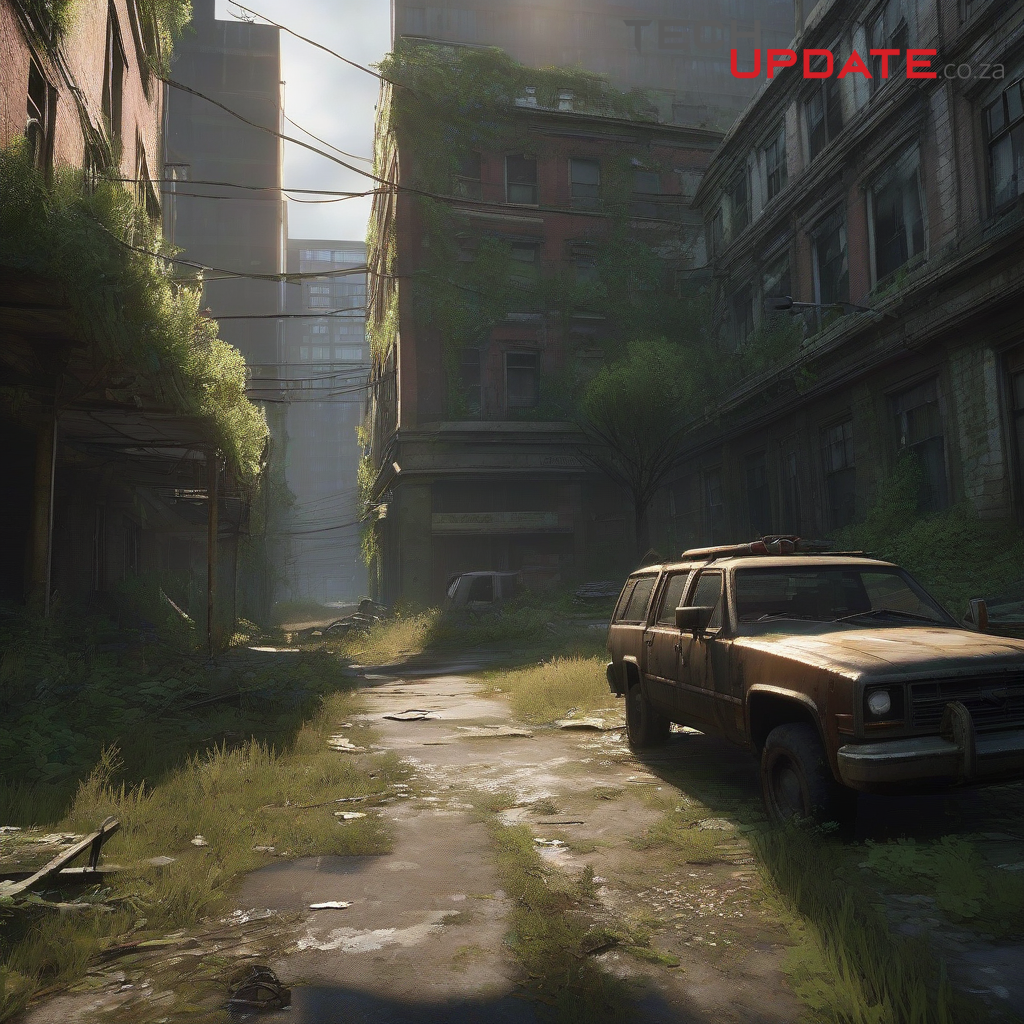
In a significant announcement that resonated throughout the gaming community, Naughty Dog, the acclaimed Sony-owned developer behind the critically lauded The Last of Us series, has officially confirmed the cessation of development for its standalone multiplayer title, "The Last of Us Online." This decision marks a pivotal moment for the studio, redirecting its focus back to its foundational strength in crafting narrative-driven single-player experiences.
The Ambitious Multiplayer Endeavor
Initially envisioned as a robust, large-scale multiplayer experience set within the desolate yet captivating world of The Last of Us, "The Last of Us Online" had been a subject of fervent anticipation since its initial reveal. While not a fan-developed modification, this official project was expected to expand upon the foundational multiplayer "Factions" mode from the original game, promising an expansive and immersive online environment for fans. Details regarding its scope and mechanics were scarce, yet the promise of Naughty Dog's narrative prowess infused into a multiplayer format generated considerable buzz, especially among those who cherished the original Factions.
Naughty Dog's Strategic Realignment
In a candid statement released in December 2023, Naughty Dog elaborated on the challenging decision. The studio admitted that to sustain "The Last of Us Online" with the level of quality and content it demanded would require significant, continuous resource allocation that would inevitably detract from its capacity to develop future single-player games. Recognising its core identity and the expectations of its fanbase, the developer opted to reallocate resources towards several new, ambitious single-player projects currently in various stages of development. This strategic realignment underscores Sony PlayStation's evolving approach to live-service titles, following similar recalibrations across its first-party studios.
Implications for the Gaming Landscape
The cancellation of "The Last of Us Online" sends a clear signal about the complexities of the live-service gaming market, particularly for studios renowned for their single-player storytelling. While the allure of recurring revenue and long-term engagement is strong, the immense investment in time, talent, and technology required to maintain a successful live-service game can be prohibitive, even for industry giants. For Naughty Dog, this move reaffirms its commitment to its narrative roots, a path that has consistently delivered critically acclaimed and commercially successful titles. The community's reaction has been mixed, with some expressing disappointment over the lost potential, while others voiced support for the studio's renewed dedication to its single-player heritage.
Summary
The official discontinuation of "The Last of Us Online" by Naughty Dog, a key studio under Sony's PlayStation umbrella, represents a significant strategic pivot. This move prioritizes the studio's strengths in single-player narrative development over the demanding requirements of a live-service multiplayer game. While disappointing for some, it signals Naughty Dog's intent to uphold the high standards of storytelling and immersive gameplay that have defined its legacy.
Resources
Details
Author
Top articles




 }})
You can now watch HBO Max for $10
Latest articles


You can now watch HBO Max for $10
In a significant announcement that resonated throughout the gaming community, Naughty Dog, the acclaimed Sony-owned developer behind the critically lauded The Last of Us series, has officially confirmed the cessation of development for its standalone multiplayer title, "The Last of Us Online." This decision marks a pivotal moment for the studio, redirecting its focus back to its foundational strength in crafting narrative-driven single-player experiences.
The Ambitious Multiplayer Endeavor
Initially envisioned as a robust, large-scale multiplayer experience set within the desolate yet captivating world of The Last of Us, "The Last of Us Online" had been a subject of fervent anticipation since its initial reveal. While not a fan-developed modification, this official project was expected to expand upon the foundational multiplayer "Factions" mode from the original game, promising an expansive and immersive online environment for fans. Details regarding its scope and mechanics were scarce, yet the promise of Naughty Dog's narrative prowess infused into a multiplayer format generated considerable buzz, especially among those who cherished the original Factions.
Naughty Dog's Strategic Realignment
In a candid statement released in December 2023, Naughty Dog elaborated on the challenging decision. The studio admitted that to sustain "The Last of Us Online" with the level of quality and content it demanded would require significant, continuous resource allocation that would inevitably detract from its capacity to develop future single-player games. Recognising its core identity and the expectations of its fanbase, the developer opted to reallocate resources towards several new, ambitious single-player projects currently in various stages of development. This strategic realignment underscores Sony PlayStation's evolving approach to live-service titles, following similar recalibrations across its first-party studios.
Implications for the Gaming Landscape
The cancellation of "The Last of Us Online" sends a clear signal about the complexities of the live-service gaming market, particularly for studios renowned for their single-player storytelling. While the allure of recurring revenue and long-term engagement is strong, the immense investment in time, talent, and technology required to maintain a successful live-service game can be prohibitive, even for industry giants. For Naughty Dog, this move reaffirms its commitment to its narrative roots, a path that has consistently delivered critically acclaimed and commercially successful titles. The community's reaction has been mixed, with some expressing disappointment over the lost potential, while others voiced support for the studio's renewed dedication to its single-player heritage.
Summary
The official discontinuation of "The Last of Us Online" by Naughty Dog, a key studio under Sony's PlayStation umbrella, represents a significant strategic pivot. This move prioritizes the studio's strengths in single-player narrative development over the demanding requirements of a live-service multiplayer game. While disappointing for some, it signals Naughty Dog's intent to uphold the high standards of storytelling and immersive gameplay that have defined its legacy.
Resources
Top articles
You can now watch HBO Max for $10
Latest articles
You can now watch HBO Max for $10
Similar posts


This is a page that only logged-in people can visit. Don't you feel special? Try clicking on a button below to do some things you can't do when you're logged out.
Example modal
At your leisure, please peruse this excerpt from a whale of a tale.
Chapter 1: Loomings.
Call me Ishmael. Some years ago—never mind how long precisely—having little or no money in my purse, and nothing particular to interest me on shore, I thought I would sail about a little and see the watery part of the world. It is a way I have of driving off the spleen and regulating the circulation. Whenever I find myself growing grim about the mouth; whenever it is a damp, drizzly November in my soul; whenever I find myself involuntarily pausing before coffin warehouses, and bringing up the rear of every funeral I meet; and especially whenever my hypos get such an upper hand of me, that it requires a strong moral principle to prevent me from deliberately stepping into the street, and methodically knocking people's hats off—then, I account it high time to get to sea as soon as I can. This is my substitute for pistol and ball. With a philosophical flourish Cato throws himself upon his sword; I quietly take to the ship. There is nothing surprising in this. If they but knew it, almost all men in their degree, some time or other, cherish very nearly the same feelings towards the ocean with me.
Comment