The Paradox of Pennies and Premium Phones: Spider-Man's Galaxy Z Flip in 'Brand New Day' Sparks Debate
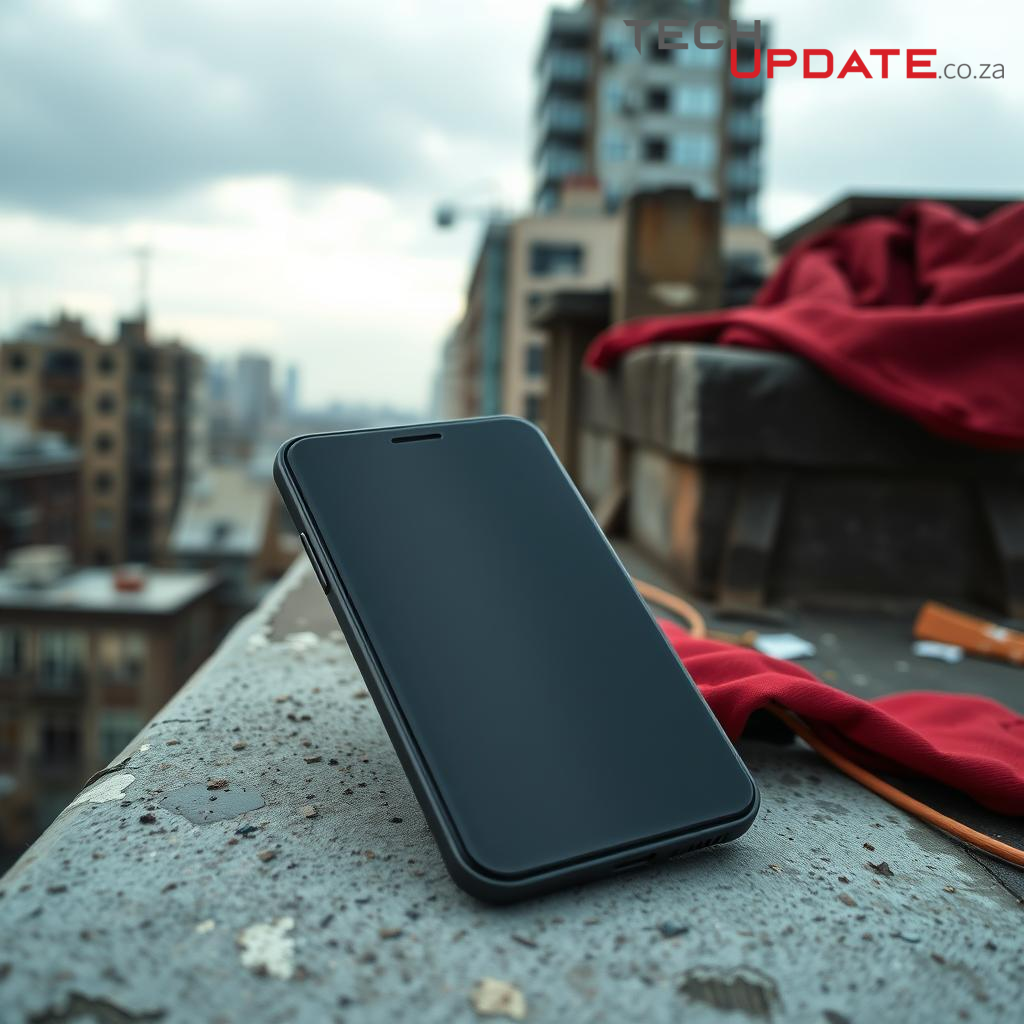
The recent buzz surrounding the alleged first trailer for “Spider-Man: Brand New Day” has given fans much to dissect, from tantalizing character appearances by Jon Bernthal’s Punisher and Mark Ruffalo’s Bruce Banner to a seemingly new mutation for Tom Holland’s web-slinger. However, amidst the excitement, one particular detail has sparked significant discussion among eagle-eyed viewers and financial analysts of superhero economics: Peter Parker, ostensibly struggling financially, appears to be sporting a Samsung Galaxy Z Flip.
The Web-Slinger's Wallet: A History of Hardship
For decades, Peter Parker’s financial woes have been as integral to his character as his spider-sense. From struggling to pay rent on a cramped apartment to juggling school, work, and his heroic duties, Spider-Man’s relatable, working-class struggles resonate deeply with audiences. In the Marvel Cinematic Universe (MCU), Tom Holland’s iteration of the character has largely upheld this tradition. We’ve seen him as a high school student often relying on Stark technology, a college applicant with limited funds, and a young adult navigating the complexities of independent living in a costly city. His "friendly neighborhood" persona is rooted in his grounded, everyday challenges, which starkly contrast with the opulence often associated with other heroes like Tony Stark or Bruce Wayne.
The Price of Progress: Unpacking the Galaxy Z Flip
The Samsung Galaxy Z Flip series represents the pinnacle of premium smartphone technology, boasting innovative foldable screens, powerful processors, and sleek designs. With price points historically ranging from $1,000 to $1,500 at launch, these devices are firmly positioned in the luxury segment of the consumer electronics market. For a character like Peter Parker, who frequently grapples with basic necessities, owning such a device would represent a significant, almost unattainable, expenditure. The incongruity is palpable: how does a hero known for pinching pennies afford a gadget that costs more than many people's monthly rent or several months' worth of groceries?
Beyond the Narrative: The Business of Blockbusters
While fans might ponder a convoluted in-universe explanation – perhaps a gift from a wealthy benefactor, a piece of salvaged tech, or even a temporary borrowing – the most probable answer lies outside the narrative confines: product placement. In an era where production budgets for superhero blockbusters soar into the hundreds of millions, brand partnerships and product integration have become a pervasive, and often essential, revenue stream. Major studios frequently collaborate with consumer brands to feature their products prominently in films and television, offering brands unparalleled exposure to vast global audiences. The appearance of a high-profile device like the Galaxy Z Flip in a Spider-Man project, particularly if it's a new or upcoming release, would serve as a powerful marketing vehicle for Samsung.
Subtle vs. Overt Integration
Product placement can range from subtle background appearances to more overt, plot-relevant integrations. The scenario described, with Spider-Man using the phone, leans towards a more direct form of promotion. While it might momentarily suspend disbelief for fans acutely aware of Peter Parker's financial status, the commercial benefits for the production and the brand are undeniable. It transforms a perceived narrative inconsistency into a strategic business decision, underpinning the complex economics of modern filmmaking.
Summary
The alleged sighting of a Samsung Galaxy Z Flip in the hands of a financially challenged Spider-Man in the "Brand New Day" trailer presents a compelling paradox. While Peter Parker's struggles are a defining characteristic, the presence of a premium smartphone strongly suggests product placement. This common industry practice helps fund cinematic spectacles, illustrating the intricate balance between narrative authenticity and commercial imperatives in contemporary blockbuster productions. Ultimately, such instances highlight the evolving relationship between storytelling and brand integration in our media landscape.
Resources
Details
Author
Top articles




 }})
You can now watch HBO Max for $10
Latest articles





You can now watch HBO Max for $10
The recent buzz surrounding the alleged first trailer for “Spider-Man: Brand New Day” has given fans much to dissect, from tantalizing character appearances by Jon Bernthal’s Punisher and Mark Ruffalo’s Bruce Banner to a seemingly new mutation for Tom Holland’s web-slinger. However, amidst the excitement, one particular detail has sparked significant discussion among eagle-eyed viewers and financial analysts of superhero economics: Peter Parker, ostensibly struggling financially, appears to be sporting a Samsung Galaxy Z Flip.
The Web-Slinger's Wallet: A History of Hardship
For decades, Peter Parker’s financial woes have been as integral to his character as his spider-sense. From struggling to pay rent on a cramped apartment to juggling school, work, and his heroic duties, Spider-Man’s relatable, working-class struggles resonate deeply with audiences. In the Marvel Cinematic Universe (MCU), Tom Holland’s iteration of the character has largely upheld this tradition. We’ve seen him as a high school student often relying on Stark technology, a college applicant with limited funds, and a young adult navigating the complexities of independent living in a costly city. His "friendly neighborhood" persona is rooted in his grounded, everyday challenges, which starkly contrast with the opulence often associated with other heroes like Tony Stark or Bruce Wayne.
The Price of Progress: Unpacking the Galaxy Z Flip
The Samsung Galaxy Z Flip series represents the pinnacle of premium smartphone technology, boasting innovative foldable screens, powerful processors, and sleek designs. With price points historically ranging from $1,000 to $1,500 at launch, these devices are firmly positioned in the luxury segment of the consumer electronics market. For a character like Peter Parker, who frequently grapples with basic necessities, owning such a device would represent a significant, almost unattainable, expenditure. The incongruity is palpable: how does a hero known for pinching pennies afford a gadget that costs more than many people's monthly rent or several months' worth of groceries?
Beyond the Narrative: The Business of Blockbusters
While fans might ponder a convoluted in-universe explanation – perhaps a gift from a wealthy benefactor, a piece of salvaged tech, or even a temporary borrowing – the most probable answer lies outside the narrative confines: product placement. In an era where production budgets for superhero blockbusters soar into the hundreds of millions, brand partnerships and product integration have become a pervasive, and often essential, revenue stream. Major studios frequently collaborate with consumer brands to feature their products prominently in films and television, offering brands unparalleled exposure to vast global audiences. The appearance of a high-profile device like the Galaxy Z Flip in a Spider-Man project, particularly if it's a new or upcoming release, would serve as a powerful marketing vehicle for Samsung.
Subtle vs. Overt Integration
Product placement can range from subtle background appearances to more overt, plot-relevant integrations. The scenario described, with Spider-Man using the phone, leans towards a more direct form of promotion. While it might momentarily suspend disbelief for fans acutely aware of Peter Parker's financial status, the commercial benefits for the production and the brand are undeniable. It transforms a perceived narrative inconsistency into a strategic business decision, underpinning the complex economics of modern filmmaking.
Summary
The alleged sighting of a Samsung Galaxy Z Flip in the hands of a financially challenged Spider-Man in the "Brand New Day" trailer presents a compelling paradox. While Peter Parker's struggles are a defining characteristic, the presence of a premium smartphone strongly suggests product placement. This common industry practice helps fund cinematic spectacles, illustrating the intricate balance between narrative authenticity and commercial imperatives in contemporary blockbuster productions. Ultimately, such instances highlight the evolving relationship between storytelling and brand integration in our media landscape.
Resources
Top articles
You can now watch HBO Max for $10
Latest articles
You can now watch HBO Max for $10
Similar posts




This is a page that only logged-in people can visit. Don't you feel special? Try clicking on a button below to do some things you can't do when you're logged out.
Example modal
At your leisure, please peruse this excerpt from a whale of a tale.
Chapter 1: Loomings.
Call me Ishmael. Some years ago—never mind how long precisely—having little or no money in my purse, and nothing particular to interest me on shore, I thought I would sail about a little and see the watery part of the world. It is a way I have of driving off the spleen and regulating the circulation. Whenever I find myself growing grim about the mouth; whenever it is a damp, drizzly November in my soul; whenever I find myself involuntarily pausing before coffin warehouses, and bringing up the rear of every funeral I meet; and especially whenever my hypos get such an upper hand of me, that it requires a strong moral principle to prevent me from deliberately stepping into the street, and methodically knocking people's hats off—then, I account it high time to get to sea as soon as I can. This is my substitute for pistol and ball. With a philosophical flourish Cato throws himself upon his sword; I quietly take to the ship. There is nothing surprising in this. If they but knew it, almost all men in their degree, some time or other, cherish very nearly the same feelings towards the ocean with me.
Comment