Long Before 'Friendslop': Portal 2 Forged the Path for Cooperative Gaming Fifteen Years On
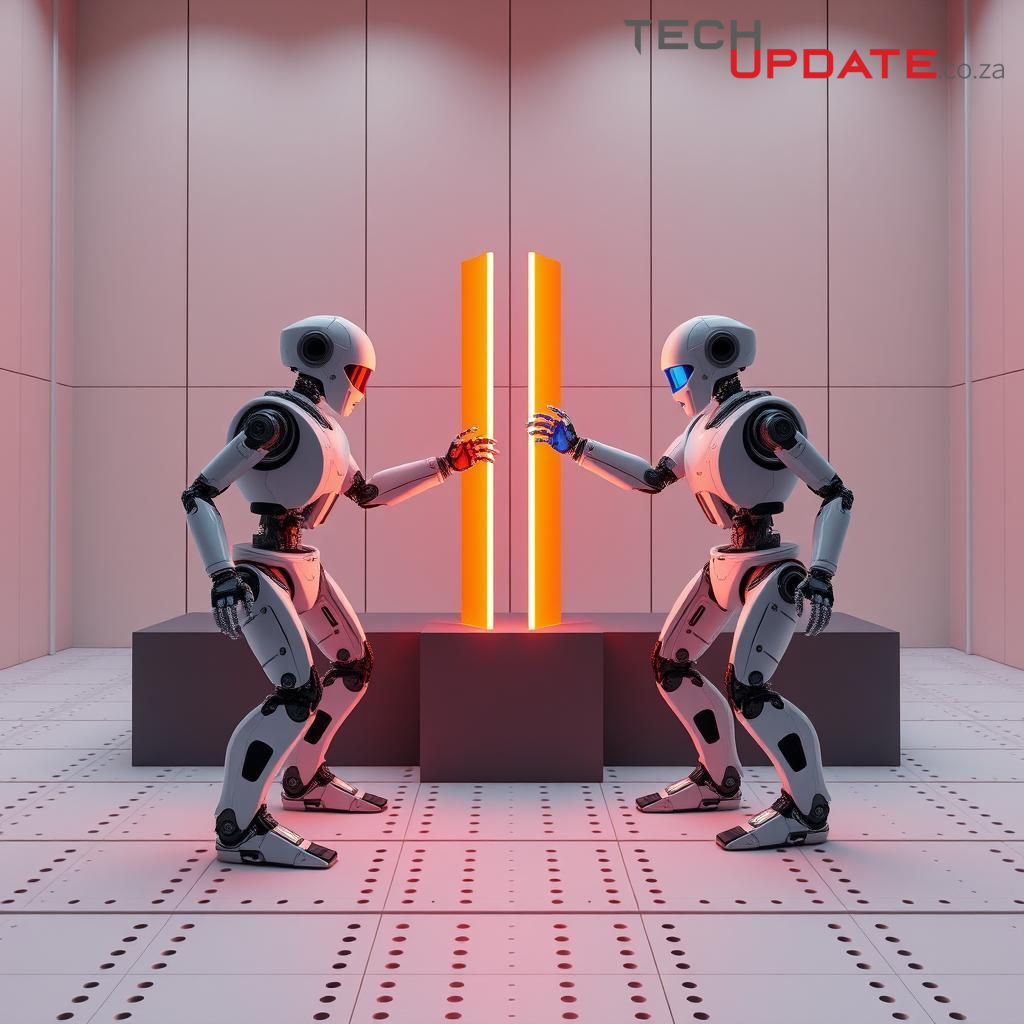
April 18, 2026, marks the 15-year anniversary of Valve's seminal title, Portal 2. This milestone offers a timely opportunity to reflect on a game that not only captivated audiences with its sharp wit and ingenious puzzles but also redefined the landscape of cooperative gameplay for a generation of players.
Valve's Golden Era and the Single-Player Masterpiece
During the PlayStation 3/Xbox 360 era, Valve Corporation was at the zenith of its creative output, consistently delivering groundbreaking titles. From the comprehensive collection within The Orange Box to the intense, back-to-back releases of Left 4 Dead, the studio repeatedly set new benchmarks for interactive entertainment. However, it was the 2011 launch of Portal 2 that many consider to be Valve's crowning achievement of that period, a testament to its unparalleled blend of narrative, gameplay, and character development.
Building upon the foundational success of 2007's original Portal, Portal 2 could have easily rested on its laurels, delivering solely an expanded single-player campaign and still securing its place as a critical and commercial triumph. The solo adventure, following the sardonic AI GLaDOS and the silent protagonist Chell, was a masterclass in environmental puzzle-solving and dark humor, celebrated for its intricate level design and memorable dialogue.
The Co-Op Revolution: ATLAS, P-Body, and the Future of Social Gaming
Yet, Valve pushed the boundaries further, introducing a comprehensive, standalone cooperative campaign that elevated Portal 2 beyond a mere sequel. This dedicated two-player mode, featuring the endearingly clumsy robot duo ATLAS and P-body, was a marvel of game design, demanding unprecedented levels of communication and synchronized action between players. Each puzzle in the co-op campaign was meticulously crafted to necessitate two portal guns, two distinct perspectives, and a shared understanding of space and physics, fostering genuine collaboration rather than simply accommodating parallel play.
The co-op experience was not merely an add-on; it presented its own unique narrative arc, separate from Chell's journey but equally rich in Valve's signature comedic writing. The dynamic between ATLAS and P-body, often at the mercy of GLaDOS's passive-aggressive instructions, provided endless moments of levity and frustration—the good kind that strengthens bonds (or tests them). In retrospect, this mode was a profound harbinger, anticipating the surging trend of cooperative and social gaming that dominates the industry today. It demonstrated that complex puzzle mechanics could be amplified and made more engaging through shared experience, long before many contemporary titles focused on similar group dynamics.
Enduring Comedy and Lasting Legacy
Beyond its innovative gameplay, Portal 2's enduring appeal is inextricably linked to its brilliant comedic writing. The game's script is a masterclass in sharp dialogue, unforgettable one-liners, and character-driven humor, primarily delivered by the inimitable GLaDOS, Wheatley, and Cave Johnson. This comedic foundation ensures that the game remains as fresh and enjoyable today as it was 15 years ago, a rare feat in the rapidly evolving world of video games.
The legacy of Portal 2 is profound. It proved that a puzzle game could possess a compelling narrative, deeply engaging characters, and a cooperative mode that felt not just essential, but revolutionary. Its influence can be seen in countless subsequent titles that have attempted to replicate its blend of intellectual challenge, emotional engagement, and seamless multiplayer integration, though few have achieved its consistent level of excellence.
Summary
As we approach the 15th anniversary of Portal 2, it stands as a monumental achievement in gaming history. Its groundbreaking cooperative campaign, featuring the beloved ATLAS and P-body, not only provided an equally worthy sequel to the original Portal but also set a new standard for social interaction in video games. Coupled with its iconic humor and ingenious design, Portal 2 remains a timeless classic, a shining example of Valve at its creative peak, and a game that truly made co-op cool long before it became a widespread industry trend.
Resources
- GameSpot - https://www.gamespot.com/games/portal-2/
- IGN - https://www.ign.com/games/portal-2
- Metacritic - https://www.metacritic.com/game/pc/portal-2/
Details
Author
Top articles




 }})
You can now watch HBO Max for $10
Latest articles

You can now watch HBO Max for $10
April 18, 2026, marks the 15-year anniversary of Valve's seminal title, Portal 2. This milestone offers a timely opportunity to reflect on a game that not only captivated audiences with its sharp wit and ingenious puzzles but also redefined the landscape of cooperative gameplay for a generation of players.
Valve's Golden Era and the Single-Player Masterpiece
During the PlayStation 3/Xbox 360 era, Valve Corporation was at the zenith of its creative output, consistently delivering groundbreaking titles. From the comprehensive collection within The Orange Box to the intense, back-to-back releases of Left 4 Dead, the studio repeatedly set new benchmarks for interactive entertainment. However, it was the 2011 launch of Portal 2 that many consider to be Valve's crowning achievement of that period, a testament to its unparalleled blend of narrative, gameplay, and character development.
Building upon the foundational success of 2007's original Portal, Portal 2 could have easily rested on its laurels, delivering solely an expanded single-player campaign and still securing its place as a critical and commercial triumph. The solo adventure, following the sardonic AI GLaDOS and the silent protagonist Chell, was a masterclass in environmental puzzle-solving and dark humor, celebrated for its intricate level design and memorable dialogue.
The Co-Op Revolution: ATLAS, P-Body, and the Future of Social Gaming
Yet, Valve pushed the boundaries further, introducing a comprehensive, standalone cooperative campaign that elevated Portal 2 beyond a mere sequel. This dedicated two-player mode, featuring the endearingly clumsy robot duo ATLAS and P-body, was a marvel of game design, demanding unprecedented levels of communication and synchronized action between players. Each puzzle in the co-op campaign was meticulously crafted to necessitate two portal guns, two distinct perspectives, and a shared understanding of space and physics, fostering genuine collaboration rather than simply accommodating parallel play.
The co-op experience was not merely an add-on; it presented its own unique narrative arc, separate from Chell's journey but equally rich in Valve's signature comedic writing. The dynamic between ATLAS and P-body, often at the mercy of GLaDOS's passive-aggressive instructions, provided endless moments of levity and frustration—the good kind that strengthens bonds (or tests them). In retrospect, this mode was a profound harbinger, anticipating the surging trend of cooperative and social gaming that dominates the industry today. It demonstrated that complex puzzle mechanics could be amplified and made more engaging through shared experience, long before many contemporary titles focused on similar group dynamics.
Enduring Comedy and Lasting Legacy
Beyond its innovative gameplay, Portal 2's enduring appeal is inextricably linked to its brilliant comedic writing. The game's script is a masterclass in sharp dialogue, unforgettable one-liners, and character-driven humor, primarily delivered by the inimitable GLaDOS, Wheatley, and Cave Johnson. This comedic foundation ensures that the game remains as fresh and enjoyable today as it was 15 years ago, a rare feat in the rapidly evolving world of video games.
The legacy of Portal 2 is profound. It proved that a puzzle game could possess a compelling narrative, deeply engaging characters, and a cooperative mode that felt not just essential, but revolutionary. Its influence can be seen in countless subsequent titles that have attempted to replicate its blend of intellectual challenge, emotional engagement, and seamless multiplayer integration, though few have achieved its consistent level of excellence.
Summary
As we approach the 15th anniversary of Portal 2, it stands as a monumental achievement in gaming history. Its groundbreaking cooperative campaign, featuring the beloved ATLAS and P-body, not only provided an equally worthy sequel to the original Portal but also set a new standard for social interaction in video games. Coupled with its iconic humor and ingenious design, Portal 2 remains a timeless classic, a shining example of Valve at its creative peak, and a game that truly made co-op cool long before it became a widespread industry trend.
Resources
- GameSpot - https://www.gamespot.com/games/portal-2/
- IGN - https://www.ign.com/games/portal-2
- Metacritic - https://www.metacritic.com/game/pc/portal-2/
Top articles
You can now watch HBO Max for $10
Latest articles
You can now watch HBO Max for $10
Similar posts

This is a page that only logged-in people can visit. Don't you feel special? Try clicking on a button below to do some things you can't do when you're logged out.
Example modal
At your leisure, please peruse this excerpt from a whale of a tale.
Chapter 1: Loomings.
Call me Ishmael. Some years ago—never mind how long precisely—having little or no money in my purse, and nothing particular to interest me on shore, I thought I would sail about a little and see the watery part of the world. It is a way I have of driving off the spleen and regulating the circulation. Whenever I find myself growing grim about the mouth; whenever it is a damp, drizzly November in my soul; whenever I find myself involuntarily pausing before coffin warehouses, and bringing up the rear of every funeral I meet; and especially whenever my hypos get such an upper hand of me, that it requires a strong moral principle to prevent me from deliberately stepping into the street, and methodically knocking people's hats off—then, I account it high time to get to sea as soon as I can. This is my substitute for pistol and ball. With a philosophical flourish Cato throws himself upon his sword; I quietly take to the ship. There is nothing surprising in this. If they but knew it, almost all men in their degree, some time or other, cherish very nearly the same feelings towards the ocean with me.
Comment