The Ghost in the Machine: How an Abandoned CDN Domain Could Haunt Thousands of Websites
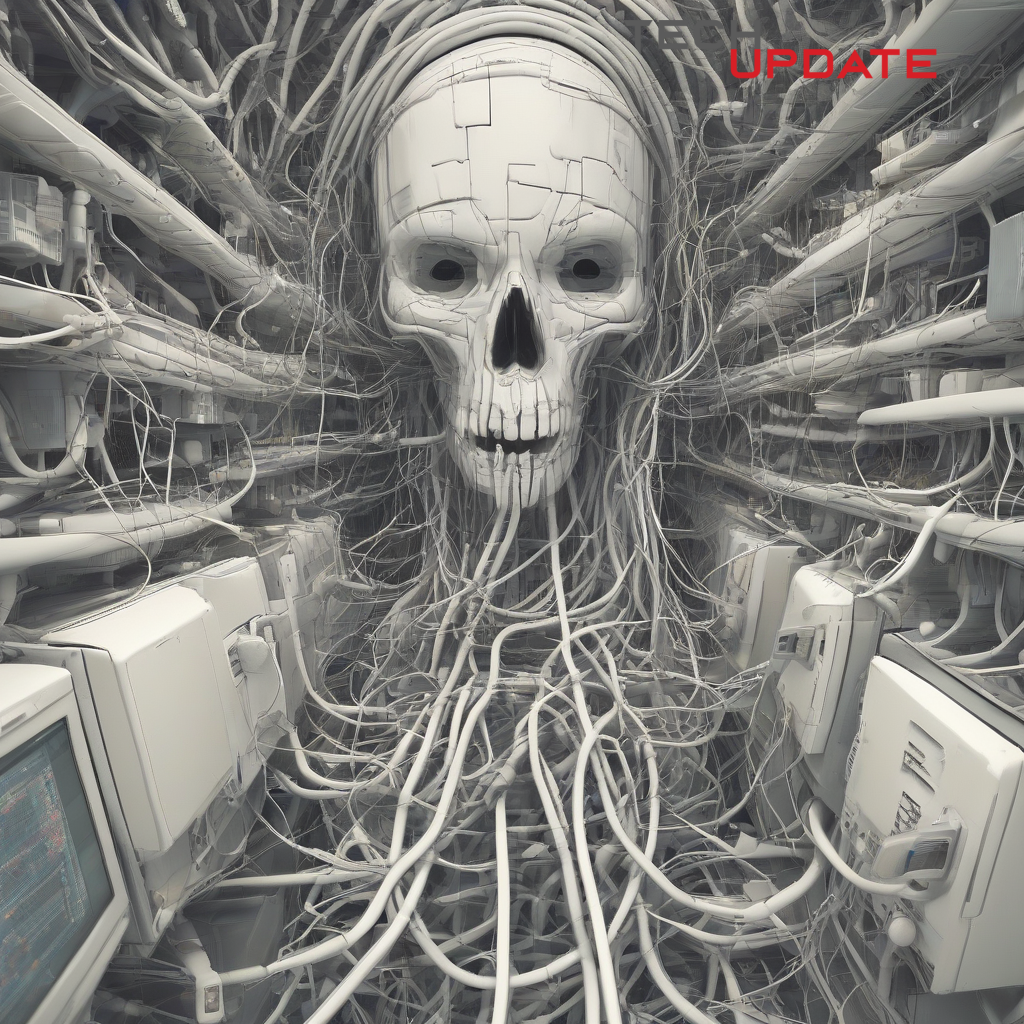
The digital landscape is rife with hidden vulnerabilities, often stemming from forgotten corners of the internet. A hypothetical scenario set for July 2025, involving the re-registration of a long-abandoned Content Delivery Network (CDN) domain, starkly illustrates a persistent and critical risk: the 'ghost in the machine' effect. Years after a CDN wound down its operations, allowing a core domain to expire, thousands of websites, code repositories, and documentation pages could still carry hard-coded references to its hostnames. The implications of this are profound, transforming an obsolete asset into a potent vector for cyberattacks and operational disruption.
The Dormant Threat of Expired Domains
CDNs are crucial for modern web performance, delivering static assets like images, scripts, and stylesheets efficiently across the globe. When a CDN ceases operations, the domains it once managed eventually expire. While the original service is gone, the digital fingerprints – the hard-coded URLs embedded within millions of lines of code – often remain. These references become dormant until someone re-registers the expired domain. The new owner inherits not just a domain name, but also a massive, pre-existing, and often unsuspecting audience.
This situation creates a ripe environment for various forms of malicious activity. Attackers, through domain squatting or legitimate re-registration with nefarious intent, can weaponize these abandoned digital pathways. The sheer scale of potential impact is staggering, with thousands of websites unknowingly pointing to a now compromised or weaponized resource.
Unpacking the Security and Operational Risks
The re-registration of an abandoned CDN domain presents a multi-faceted threat:
Supply Chain Attacks:
By controlling a domain referenced by countless websites, an attacker can inject malicious JavaScript, phishing scripts, or ransomware directly into the browsers of visitors to affected sites. This transforms the thousands of legitimate websites into unwitting conduits for malware distribution, impacting users globally.Content Injection and Defacement:
Attackers could replace expected content with their own, leading to website defacement, propagation of misinformation, or redirection to malicious sites. This can severely damage an organization's reputation and erode user trust.Data Exfiltration:
Malicious scripts injected via the re-registered domain could be designed to steal sensitive user data, including login credentials, financial information, or personal identifiers, leading to massive data breaches.Operational Disruptions:
Even without malicious intent, if the new owner does not serve the expected content or misconfigures the domain, it can lead to broken website functionality, missing assets, and a degraded user experience across all referencing sites. This can translate into significant financial losses due to lost traffic, sales, and productivity.Reputational Damage:
Organizations whose websites unknowingly call compromised assets face severe reputational damage. Users will associate the security incident with the primary website, regardless of the underlying cause, leading to a loss of credibility.
The Intractability of Hard-Coded References
One of the primary reasons this vulnerability persists is the widespread use of hard-coded URLs. Developers often embed full domain paths directly into their code, configuration files, and documentation. When a CDN domain changes ownership or becomes defunct, updating these references across thousands of disparate projects, some of which may be decades old or poorly maintained, becomes an organizational nightmare. The lack of a centralized mechanism to manage external dependencies leaves a vast attack surface open.
Mitigation and Vigilance: A Call to Action
Addressing this challenge requires a multi-pronged approach. Organizations must:
- Conduct regular audits of external dependencies, particularly for CDN assets, and proactively update or remove references to inactive services.
- Implement robust Content Security Policies (CSPs) to limit the domains from which scripts and assets can be loaded, mitigating the impact of compromised external resources.
- Utilize Subresource Integrity (SRI) for critical script and stylesheet assets to ensure they haven't been tampered with.
- Adopt dynamic configuration management for external URLs rather than hard-coding them, allowing for easier updates.
The scenario of a re-registered, abandoned CDN domain serves as a potent reminder of the fragility of digital infrastructure and the enduring consequences of unaddressed technical debt. Proactive security measures and continuous vigilance are paramount in safeguarding the integrity of the web.
Summary
The re-registration of an abandoned CDN domain, as illustrated by a hypothetical July 2025 event, exposes a critical cybersecurity vulnerability. Thousands of websites and digital assets retain hard-coded references to these defunct domains, making them susceptible to supply chain attacks, content injection, data exfiltration, and significant operational disruptions once the domain is re-activated by a new owner. The challenge lies in the sheer volume and often antiquated nature of these hard-coded references. Mitigating this risk requires diligent auditing, robust security policies like CSP and SRI, and a strategic move away from hard-coding external dependencies. The incident underscores the continuous need for vigilance in managing digital infrastructure to prevent widespread compromise and maintain user trust.
Resources
Details
Author
Top articles





 }})
You can now watch HBO Max for $10
Latest articles




You can now watch HBO Max for $10
The digital landscape is rife with hidden vulnerabilities, often stemming from forgotten corners of the internet. A hypothetical scenario set for July 2025, involving the re-registration of a long-abandoned Content Delivery Network (CDN) domain, starkly illustrates a persistent and critical risk: the 'ghost in the machine' effect. Years after a CDN wound down its operations, allowing a core domain to expire, thousands of websites, code repositories, and documentation pages could still carry hard-coded references to its hostnames. The implications of this are profound, transforming an obsolete asset into a potent vector for cyberattacks and operational disruption.
The Dormant Threat of Expired Domains
CDNs are crucial for modern web performance, delivering static assets like images, scripts, and stylesheets efficiently across the globe. When a CDN ceases operations, the domains it once managed eventually expire. While the original service is gone, the digital fingerprints – the hard-coded URLs embedded within millions of lines of code – often remain. These references become dormant until someone re-registers the expired domain. The new owner inherits not just a domain name, but also a massive, pre-existing, and often unsuspecting audience.
This situation creates a ripe environment for various forms of malicious activity. Attackers, through domain squatting or legitimate re-registration with nefarious intent, can weaponize these abandoned digital pathways. The sheer scale of potential impact is staggering, with thousands of websites unknowingly pointing to a now compromised or weaponized resource.
Unpacking the Security and Operational Risks
The re-registration of an abandoned CDN domain presents a multi-faceted threat:
Supply Chain Attacks:
By controlling a domain referenced by countless websites, an attacker can inject malicious JavaScript, phishing scripts, or ransomware directly into the browsers of visitors to affected sites. This transforms the thousands of legitimate websites into unwitting conduits for malware distribution, impacting users globally.Content Injection and Defacement:
Attackers could replace expected content with their own, leading to website defacement, propagation of misinformation, or redirection to malicious sites. This can severely damage an organization's reputation and erode user trust.Data Exfiltration:
Malicious scripts injected via the re-registered domain could be designed to steal sensitive user data, including login credentials, financial information, or personal identifiers, leading to massive data breaches.Operational Disruptions:
Even without malicious intent, if the new owner does not serve the expected content or misconfigures the domain, it can lead to broken website functionality, missing assets, and a degraded user experience across all referencing sites. This can translate into significant financial losses due to lost traffic, sales, and productivity.Reputational Damage:
Organizations whose websites unknowingly call compromised assets face severe reputational damage. Users will associate the security incident with the primary website, regardless of the underlying cause, leading to a loss of credibility.
The Intractability of Hard-Coded References
One of the primary reasons this vulnerability persists is the widespread use of hard-coded URLs. Developers often embed full domain paths directly into their code, configuration files, and documentation. When a CDN domain changes ownership or becomes defunct, updating these references across thousands of disparate projects, some of which may be decades old or poorly maintained, becomes an organizational nightmare. The lack of a centralized mechanism to manage external dependencies leaves a vast attack surface open.
Mitigation and Vigilance: A Call to Action
Addressing this challenge requires a multi-pronged approach. Organizations must:
- Conduct regular audits of external dependencies, particularly for CDN assets, and proactively update or remove references to inactive services.
- Implement robust Content Security Policies (CSPs) to limit the domains from which scripts and assets can be loaded, mitigating the impact of compromised external resources.
- Utilize Subresource Integrity (SRI) for critical script and stylesheet assets to ensure they haven't been tampered with.
- Adopt dynamic configuration management for external URLs rather than hard-coding them, allowing for easier updates.
The scenario of a re-registered, abandoned CDN domain serves as a potent reminder of the fragility of digital infrastructure and the enduring consequences of unaddressed technical debt. Proactive security measures and continuous vigilance are paramount in safeguarding the integrity of the web.
Summary
The re-registration of an abandoned CDN domain, as illustrated by a hypothetical July 2025 event, exposes a critical cybersecurity vulnerability. Thousands of websites and digital assets retain hard-coded references to these defunct domains, making them susceptible to supply chain attacks, content injection, data exfiltration, and significant operational disruptions once the domain is re-activated by a new owner. The challenge lies in the sheer volume and often antiquated nature of these hard-coded references. Mitigating this risk requires diligent auditing, robust security policies like CSP and SRI, and a strategic move away from hard-coding external dependencies. The incident underscores the continuous need for vigilance in managing digital infrastructure to prevent widespread compromise and maintain user trust.
Resources
Top articles
You can now watch HBO Max for $10
Latest articles
You can now watch HBO Max for $10
Similar posts



This is a page that only logged-in people can visit. Don't you feel special? Try clicking on a button below to do some things you can't do when you're logged out.
Example modal
At your leisure, please peruse this excerpt from a whale of a tale.
Chapter 1: Loomings.
Call me Ishmael. Some years ago—never mind how long precisely—having little or no money in my purse, and nothing particular to interest me on shore, I thought I would sail about a little and see the watery part of the world. It is a way I have of driving off the spleen and regulating the circulation. Whenever I find myself growing grim about the mouth; whenever it is a damp, drizzly November in my soul; whenever I find myself involuntarily pausing before coffin warehouses, and bringing up the rear of every funeral I meet; and especially whenever my hypos get such an upper hand of me, that it requires a strong moral principle to prevent me from deliberately stepping into the street, and methodically knocking people's hats off—then, I account it high time to get to sea as soon as I can. This is my substitute for pistol and ball. With a philosophical flourish Cato throws himself upon his sword; I quietly take to the ship. There is nothing surprising in this. If they but knew it, almost all men in their degree, some time or other, cherish very nearly the same feelings towards the ocean with me.
Comment