NASA Ramps Up Artemis: Strategic Overhaul Aims to Break Through Lunar Launch Bottlenecks
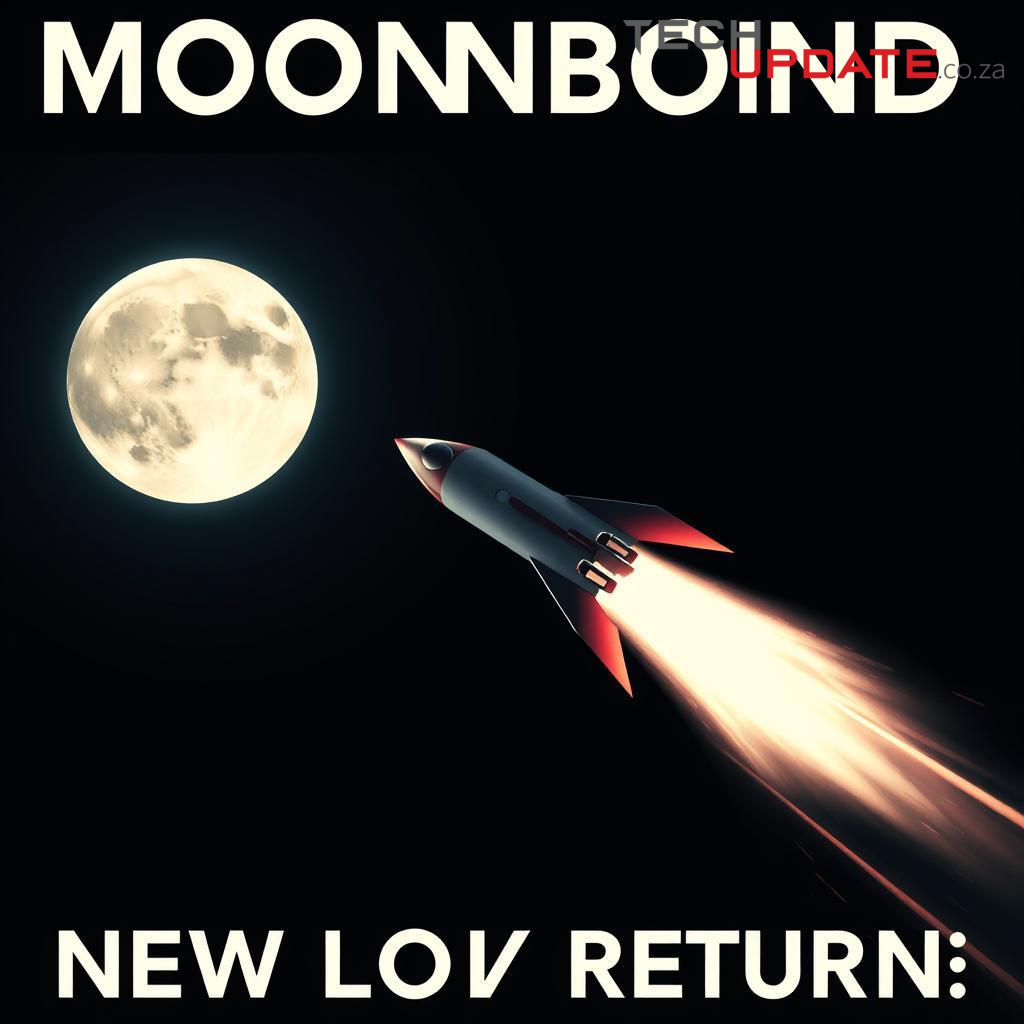
NASA's ambitious Artemis program, designed to return humanity to the lunar surface, is undergoing a strategic re-evaluation aimed at accelerating its timeline and ensuring a sustainable presence on the Moon. Central to this renewed focus is addressing the critical challenge posed by the Space Launch System (SLS) rocket's launch cadence – a rhythm deemed insufficient for a successful, sustained lunar endeavor.
The Cadence Conundrum: Acknowledging the Challenge
The sentiment, "Launching SLS every three and a half years or so is not a recipe for success," encapsulates a significant hurdle in NASA's lunar ambitions. The development and production of the colossal SLS rocket, while a monumental engineering feat, have been characterized by considerable timeframes and cost. Such infrequent launches not only stretch budgets but also impede the rapid accumulation of operational experience crucial for complex deep-space missions. Recognizing this, NASA has been proactively seeking avenues to enhance efficiency and accelerate the program's momentum.
Strategic Shifts: Leveraging Commercial Innovation
A cornerstone of NASA's recalibrated strategy involves a deeper reliance on commercial partners, particularly for the Human Landing System (HLS). The selection of companies like SpaceX, with its Starship vehicle, to develop lunar landers is a pivotal move. This approach shifts a significant portion of the development burden and associated costs to the private sector, fostering innovation and competition. The integration of Starship for crucial missions like Artemis III is expected to be a force multiplier, enabling more frequent and diverse mission profiles than would be feasible relying solely on traditional procurement models.
Streamlining Production and Operations
Beyond external partnerships, NASA is also intensifying efforts to streamline its internal production and operational processes for the SLS, the Orion spacecraft, and associated ground infrastructure. This includes optimizing manufacturing workflows, enhancing supply chain resilience, and improving assembly and testing protocols. The goal is to reduce the turnaround time between missions, thereby increasing the overall launch frequency and maximizing the utilization of these critical assets. While significant engineering challenges remain, these internal adjustments are vital for achieving a more consistent launch schedule.
Charting a Faster, Safer Course to the Moon
Despite the inherent complexities of human spaceflight, NASA remains committed to its objective of a swift yet safe return to the Moon. Recent adjustments to mission timelines, such as targeting Artemis II for September 2025 and Artemis III for September 2026, reflect a pragmatic approach to ensuring readiness while pushing forward. This revised pacing emphasizes thorough testing and system maturation, understanding that true acceleration comes from robust foundational development rather than rushed schedules. The program is evolving towards establishing a sustainable lunar presence, including the Gateway lunar outpost, as a stepping stone for future Mars missions.
Summary
NASA's Artemis program is undergoing a significant strategic evolution, driven by the imperative to overcome the challenges of a slow launch cadence and accelerate humanity's return to the Moon. Through enhanced commercial partnerships for lunar landers and a concerted effort to streamline internal production and operations, the agency is charting a course for more frequent and sustainable lunar exploration. This recalibration underscores a pragmatic vision: a quicker, yet thoroughly safe, path to establishing a lasting human presence beyond Earth.
Resources
Details
Author
Top articles




 }})
You can now watch HBO Max for $10
Latest articles




You can now watch HBO Max for $10
NASA's ambitious Artemis program, designed to return humanity to the lunar surface, is undergoing a strategic re-evaluation aimed at accelerating its timeline and ensuring a sustainable presence on the Moon. Central to this renewed focus is addressing the critical challenge posed by the Space Launch System (SLS) rocket's launch cadence – a rhythm deemed insufficient for a successful, sustained lunar endeavor.
The Cadence Conundrum: Acknowledging the Challenge
The sentiment, "Launching SLS every three and a half years or so is not a recipe for success," encapsulates a significant hurdle in NASA's lunar ambitions. The development and production of the colossal SLS rocket, while a monumental engineering feat, have been characterized by considerable timeframes and cost. Such infrequent launches not only stretch budgets but also impede the rapid accumulation of operational experience crucial for complex deep-space missions. Recognizing this, NASA has been proactively seeking avenues to enhance efficiency and accelerate the program's momentum.
Strategic Shifts: Leveraging Commercial Innovation
A cornerstone of NASA's recalibrated strategy involves a deeper reliance on commercial partners, particularly for the Human Landing System (HLS). The selection of companies like SpaceX, with its Starship vehicle, to develop lunar landers is a pivotal move. This approach shifts a significant portion of the development burden and associated costs to the private sector, fostering innovation and competition. The integration of Starship for crucial missions like Artemis III is expected to be a force multiplier, enabling more frequent and diverse mission profiles than would be feasible relying solely on traditional procurement models.
Streamlining Production and Operations
Beyond external partnerships, NASA is also intensifying efforts to streamline its internal production and operational processes for the SLS, the Orion spacecraft, and associated ground infrastructure. This includes optimizing manufacturing workflows, enhancing supply chain resilience, and improving assembly and testing protocols. The goal is to reduce the turnaround time between missions, thereby increasing the overall launch frequency and maximizing the utilization of these critical assets. While significant engineering challenges remain, these internal adjustments are vital for achieving a more consistent launch schedule.
Charting a Faster, Safer Course to the Moon
Despite the inherent complexities of human spaceflight, NASA remains committed to its objective of a swift yet safe return to the Moon. Recent adjustments to mission timelines, such as targeting Artemis II for September 2025 and Artemis III for September 2026, reflect a pragmatic approach to ensuring readiness while pushing forward. This revised pacing emphasizes thorough testing and system maturation, understanding that true acceleration comes from robust foundational development rather than rushed schedules. The program is evolving towards establishing a sustainable lunar presence, including the Gateway lunar outpost, as a stepping stone for future Mars missions.
Summary
NASA's Artemis program is undergoing a significant strategic evolution, driven by the imperative to overcome the challenges of a slow launch cadence and accelerate humanity's return to the Moon. Through enhanced commercial partnerships for lunar landers and a concerted effort to streamline internal production and operations, the agency is charting a course for more frequent and sustainable lunar exploration. This recalibration underscores a pragmatic vision: a quicker, yet thoroughly safe, path to establishing a lasting human presence beyond Earth.
Resources
Top articles
You can now watch HBO Max for $10
Latest articles
You can now watch HBO Max for $10
Similar posts



This is a page that only logged-in people can visit. Don't you feel special? Try clicking on a button below to do some things you can't do when you're logged out.
Example modal
At your leisure, please peruse this excerpt from a whale of a tale.
Chapter 1: Loomings.
Call me Ishmael. Some years ago—never mind how long precisely—having little or no money in my purse, and nothing particular to interest me on shore, I thought I would sail about a little and see the watery part of the world. It is a way I have of driving off the spleen and regulating the circulation. Whenever I find myself growing grim about the mouth; whenever it is a damp, drizzly November in my soul; whenever I find myself involuntarily pausing before coffin warehouses, and bringing up the rear of every funeral I meet; and especially whenever my hypos get such an upper hand of me, that it requires a strong moral principle to prevent me from deliberately stepping into the street, and methodically knocking people's hats off—then, I account it high time to get to sea as soon as I can. This is my substitute for pistol and ball. With a philosophical flourish Cato throws himself upon his sword; I quietly take to the ship. There is nothing surprising in this. If they but knew it, almost all men in their degree, some time or other, cherish very nearly the same feelings towards the ocean with me.
Comment