Why Premium Chinese Smartwatches Like the Oppo Watch X3 Are Missing from US Shelves
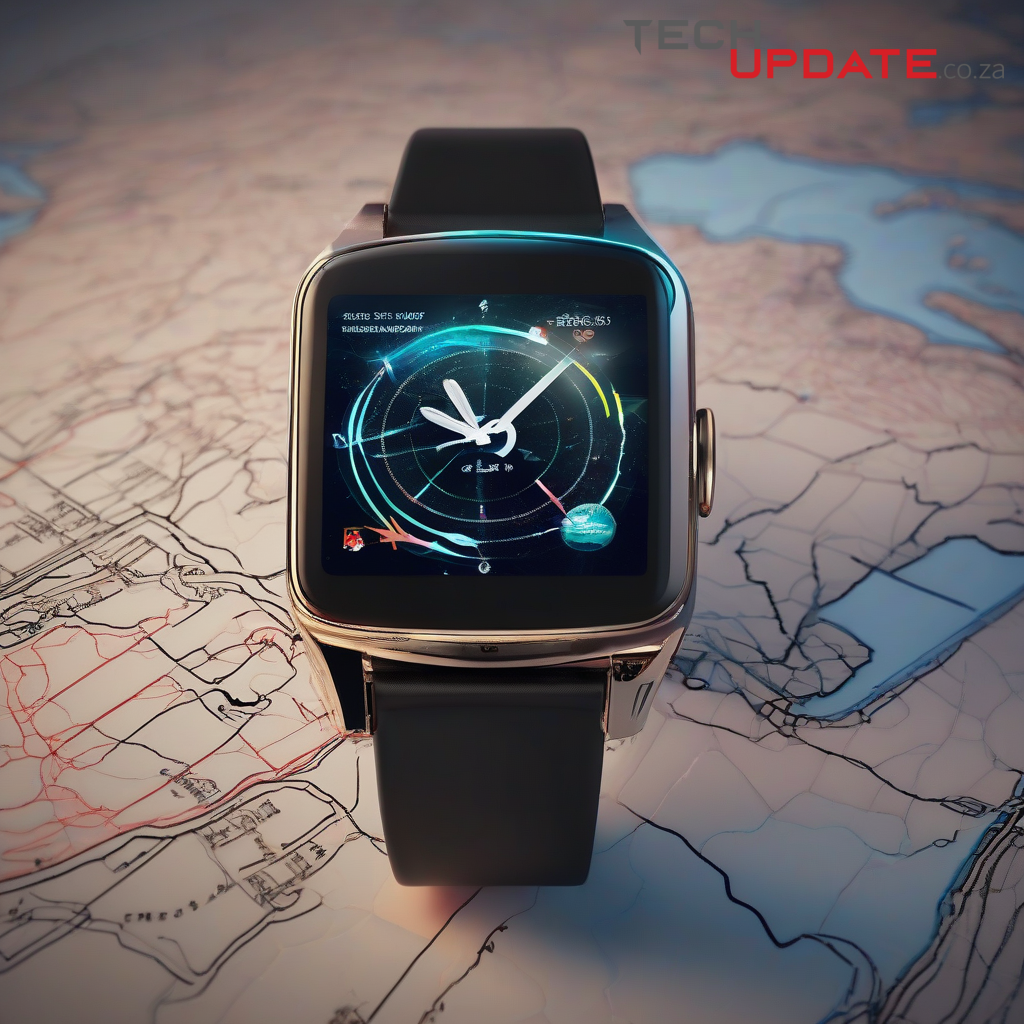
The Paradox of Readiness: Advanced Tech, Absent Market Presence
The global smartwatch market is a fiercely contested arena, yet a curious anomaly persists: high-spec devices from Chinese innovators like the Oppo Watch X3, while technologically advanced and well-received in other regions, are conspicuously absent from the United States. This situation isn't a reflection of technological inadequacy; rather, it underscores a complex interplay of geopolitical tensions, intricate regulatory landscapes, established market dominance, and strategic business decisions. The hardware is undoubtedly ready; the business environment, however, presents a formidable labyrinth.
Navigating Geopolitical Crosscurrents and Regulatory Hurdles
The broader technological rivalry between the U.S. and China has significantly impacted market access for Chinese companies. Beyond direct bans, a pervasive climate of skepticism surrounds data security and privacy, particularly concerning devices originating from China. This translates into heightened scrutiny from regulatory bodies and a more arduous path to market entry, requiring extensive compliance with U.S. standards and certifications. Companies often face implied or explicit pressure related to national security concerns, making any large-scale push into the sensitive consumer electronics sector a high-stakes endeavor.
The Ecosystem Enigma: Integrating with Google's Walled Garden
For smartwatches to thrive in the U.S. market, seamless integration with Google Mobile Services (GMS) is paramount. Most Chinese smartwatches, especially those developed primarily for their domestic market, often run on modified Android versions or proprietary operating systems that either lack full GMS integration or rely on alternative ecosystems. Adopting Wear OS by Google requires adherence to stringent guidelines, robust security protocols, and consistent updates, all of which are critical for consumer trust and functionality in a market heavily invested in the Google ecosystem. For many Chinese brands, tailoring their software for this specific requirement, while navigating existing restrictions on Google's business with certain Chinese entities, proves to be a significant logistical and strategic challenge.
A Battleground of Giants: Competing in a Saturated Market
The U.S. smartwatch landscape is dominated by deeply entrenched players. Apple maintains a commanding lead with its Apple Watch, bolstered by its extensive ecosystem and loyal user base. Samsung follows closely with its Galaxy Watch series, tightly integrated into the Android ecosystem. Beyond these giants, companies like Garmin and Fitbit (now owned by Google) have carved out niches in fitness and health tracking. For a new entrant, especially one facing brand recognition challenges and geopolitical headwinds, dislodging these incumbents would demand colossal investments in marketing, distribution, and long-term brand building, making the U.S. market a less attractive proposition compared to regions where they already possess strong footholds or face less entrenched competition.
Strategic Divergence: Prioritizing Alternative Horizons
Given the aforementioned complexities, many Chinese technology companies, including Oppo, often adopt a pragmatic business strategy. They prioritize markets where they have established brand equity, less stringent regulatory environments, and higher growth potential with fewer barriers. This includes their vast domestic market, as well as burgeoning markets in Southeast Asia, India, and parts of Europe, where their products can achieve scale and profitability without incurring the prohibitive costs and risks associated with a full-scale U.S. launch. The opportunity cost of aggressively pursuing the U.S. market simply outweighs the potential returns for many brands at this juncture.
Summary: The Business, Not the Device, Holds the Key
The absence of advanced Chinese smartwatches like the Oppo Watch X3 in the U.S. market is not a testament to their technical inferiority. Rather, it is a clear illustration of how geopolitical currents, ecosystem dependencies, fierce market competition, and strategic business calculations collectively overshadow technological readiness. While the devices are indeed sophisticated and competitive, the complex business and political environment renders a broad U.S. market entry commercially unviable or strategically undesirable for many Chinese manufacturers today. Until these underlying business conditions shift, the paradox of highly capable devices remaining unavailable to a significant consumer base will likely persist.
Resources
- Reuters: US warns China against banning chips from US firms (Illustrates ongoing tech tensions)
- Counterpoint Research: Global Smartwatch Market Share (Provides data on market dominance and competition)
- The Verge: Google's big Wear OS gamble has paid off — for Samsung (Discusses Wear OS ecosystem challenges and integration)
Details
Author
Top articles



 }})
You can now watch HBO Max for $10
Latest articles



You can now watch HBO Max for $10
The Paradox of Readiness: Advanced Tech, Absent Market Presence
The global smartwatch market is a fiercely contested arena, yet a curious anomaly persists: high-spec devices from Chinese innovators like the Oppo Watch X3, while technologically advanced and well-received in other regions, are conspicuously absent from the United States. This situation isn't a reflection of technological inadequacy; rather, it underscores a complex interplay of geopolitical tensions, intricate regulatory landscapes, established market dominance, and strategic business decisions. The hardware is undoubtedly ready; the business environment, however, presents a formidable labyrinth.
Navigating Geopolitical Crosscurrents and Regulatory Hurdles
The broader technological rivalry between the U.S. and China has significantly impacted market access for Chinese companies. Beyond direct bans, a pervasive climate of skepticism surrounds data security and privacy, particularly concerning devices originating from China. This translates into heightened scrutiny from regulatory bodies and a more arduous path to market entry, requiring extensive compliance with U.S. standards and certifications. Companies often face implied or explicit pressure related to national security concerns, making any large-scale push into the sensitive consumer electronics sector a high-stakes endeavor.
The Ecosystem Enigma: Integrating with Google's Walled Garden
For smartwatches to thrive in the U.S. market, seamless integration with Google Mobile Services (GMS) is paramount. Most Chinese smartwatches, especially those developed primarily for their domestic market, often run on modified Android versions or proprietary operating systems that either lack full GMS integration or rely on alternative ecosystems. Adopting Wear OS by Google requires adherence to stringent guidelines, robust security protocols, and consistent updates, all of which are critical for consumer trust and functionality in a market heavily invested in the Google ecosystem. For many Chinese brands, tailoring their software for this specific requirement, while navigating existing restrictions on Google's business with certain Chinese entities, proves to be a significant logistical and strategic challenge.
A Battleground of Giants: Competing in a Saturated Market
The U.S. smartwatch landscape is dominated by deeply entrenched players. Apple maintains a commanding lead with its Apple Watch, bolstered by its extensive ecosystem and loyal user base. Samsung follows closely with its Galaxy Watch series, tightly integrated into the Android ecosystem. Beyond these giants, companies like Garmin and Fitbit (now owned by Google) have carved out niches in fitness and health tracking. For a new entrant, especially one facing brand recognition challenges and geopolitical headwinds, dislodging these incumbents would demand colossal investments in marketing, distribution, and long-term brand building, making the U.S. market a less attractive proposition compared to regions where they already possess strong footholds or face less entrenched competition.
Strategic Divergence: Prioritizing Alternative Horizons
Given the aforementioned complexities, many Chinese technology companies, including Oppo, often adopt a pragmatic business strategy. They prioritize markets where they have established brand equity, less stringent regulatory environments, and higher growth potential with fewer barriers. This includes their vast domestic market, as well as burgeoning markets in Southeast Asia, India, and parts of Europe, where their products can achieve scale and profitability without incurring the prohibitive costs and risks associated with a full-scale U.S. launch. The opportunity cost of aggressively pursuing the U.S. market simply outweighs the potential returns for many brands at this juncture.
Summary: The Business, Not the Device, Holds the Key
The absence of advanced Chinese smartwatches like the Oppo Watch X3 in the U.S. market is not a testament to their technical inferiority. Rather, it is a clear illustration of how geopolitical currents, ecosystem dependencies, fierce market competition, and strategic business calculations collectively overshadow technological readiness. While the devices are indeed sophisticated and competitive, the complex business and political environment renders a broad U.S. market entry commercially unviable or strategically undesirable for many Chinese manufacturers today. Until these underlying business conditions shift, the paradox of highly capable devices remaining unavailable to a significant consumer base will likely persist.
Resources
- Reuters: US warns China against banning chips from US firms (Illustrates ongoing tech tensions)
- Counterpoint Research: Global Smartwatch Market Share (Provides data on market dominance and competition)
- The Verge: Google's big Wear OS gamble has paid off — for Samsung (Discusses Wear OS ecosystem challenges and integration)
Top articles
You can now watch HBO Max for $10
Latest articles
You can now watch HBO Max for $10
Similar posts




This is a page that only logged-in people can visit. Don't you feel special? Try clicking on a button below to do some things you can't do when you're logged out.
Example modal
At your leisure, please peruse this excerpt from a whale of a tale.
Chapter 1: Loomings.
Call me Ishmael. Some years ago—never mind how long precisely—having little or no money in my purse, and nothing particular to interest me on shore, I thought I would sail about a little and see the watery part of the world. It is a way I have of driving off the spleen and regulating the circulation. Whenever I find myself growing grim about the mouth; whenever it is a damp, drizzly November in my soul; whenever I find myself involuntarily pausing before coffin warehouses, and bringing up the rear of every funeral I meet; and especially whenever my hypos get such an upper hand of me, that it requires a strong moral principle to prevent me from deliberately stepping into the street, and methodically knocking people's hats off—then, I account it high time to get to sea as soon as I can. This is my substitute for pistol and ball. With a philosophical flourish Cato throws himself upon his sword; I quietly take to the ship. There is nothing surprising in this. If they but knew it, almost all men in their degree, some time or other, cherish very nearly the same feelings towards the ocean with me.
Comment