Star Wars Zero Company: A Kotaku-Style Dissection of EA's Imagined XCOM-Like Star Wars Challenge
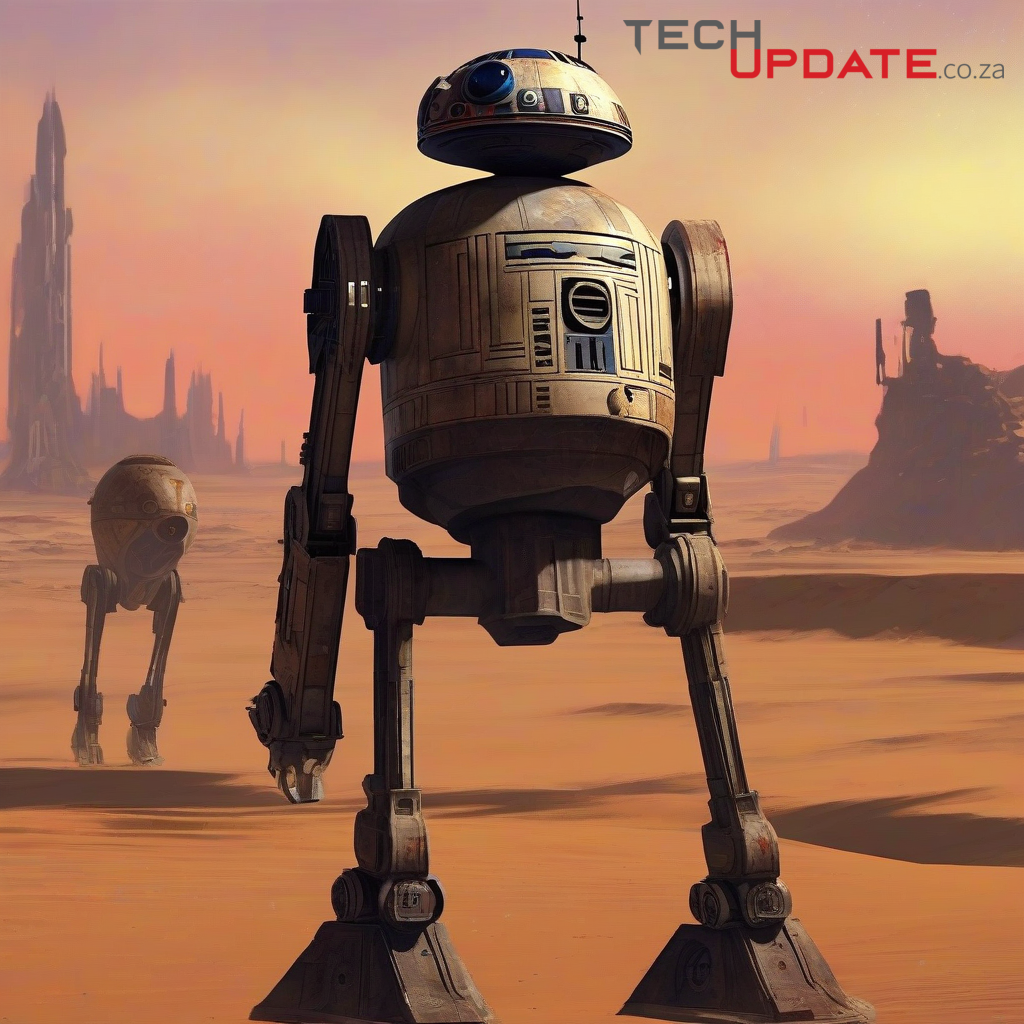
The Enigmatic "Star Wars Zero Company": A Hypothetical Inquiry
As veteran analysts in the digital gaming landscape, we often encounter titles that spark immense curiosity, sometimes even before their official announcement. "Star Wars Zero Company" falls into such a unique category. While no official game by this name has been announced or released by Electronic Arts, the concept it evokes—an XCOM-like tactical experience set in the iconic Star Wars universe, complete with its own set of "rough edges"—presents a compelling thought experiment for critical examination, much in the vein of a Kotaku review.
The premise suggests a deep dive into strategic combat, character progression, and the narrative weight inherent in the Star Wars saga. Let us explore what such a title, if it were to exist and embody the brief, would entail and how it might be received.
Beyond the XCOM Blueprint: Innovative Galactic Warfare
The descriptor "more than just an XCOM clone" immediately sets a high bar for innovation. A hypothetical "Star Wars Zero Company" would need to transcend the turn-based tactical genre's established conventions by weaving in elements distinctly unique to a galaxy far, far away. Imagine squad-based skirmishes where individual unit types aren't just classes but iconic archetypes: a Jedi Knight leading the charge with unpredictable Force powers, a Mandalorian bounty hunter utilizing advanced gadgetry and jetpack mobility, or a skilled Rebel commando specializing in stealth and sabotage.
The "more than XCOM" aspect could manifest in dynamic mission parameters that shift based on player choices, a branching narrative that directly impacts unit availability and galactic alliances, or even moral dilemmas that test a player's allegiance to the light or dark side, influencing unit abilities and mission outcomes. Resource management would extend beyond mere equipment to include reputation with various factions, access to unique starship upgrades, or even control over key hyperspace lanes—adding layers of strategic depth that resonate with the grand scale of Star Wars.
The Fissures in the Force: Examining Hypothetical "Rough Edges"
Even the most ambitious titles face execution challenges, and the brief's mention of "a bit rough around the edges" suggests a common hurdle for many high-profile releases. In a game as complex as a tactical Star Wars RPG, these imperfections could manifest in several areas. Performance issues, particularly on console platforms, might lead to inconsistent frame rates during intense combat sequences or slow loading times that disrupt immersion. User interface and experience (UI/UX) could present another challenge, with menus feeling clunky, information being poorly conveyed, or an overwhelming number of options leading to choice paralysis for new players.
Narrative pacing, a crucial element in any Star Wars experience, might suffer from an uneven blend of cinematic moments and repetitive tactical encounters. Character progression, while potentially deep, could be marred by an overly complex skill tree or a grind for essential resources that feels artificially extended. Furthermore, the very ambition to be "more than XCOM" could ironically lead to design bloat, where too many systems interact imperfectly, creating bugs, balancing nightmares, or a lack of polish that detracts from the overall experience, despite the intriguing core concept.
Summary: The Promise and Perils of Galactic Ambition
The hypothetical "Star Wars Zero Company" represents a fascinating intersection of beloved IP and a demanding genre. Its potential to push tactical gameplay boundaries with unique Star Wars flair is undeniable. However, the perceived "rough edges" highlight the perennial challenge of bringing such grand visions to polished reality. A Kotaku-style review would likely commend its innovative spirit and the moments where its unique mechanics shine, while critically scrutinizing the technical imperfections, design inconsistencies, and any instances where ambition outstripped execution. It underscores the ongoing industry lesson: innovation without meticulous polish often leaves even the most promising concepts with a less-than-stellar impact.
Resources
Details
Author
Top articles



 }})
You can now watch HBO Max for $10
Latest articles



You can now watch HBO Max for $10
The Enigmatic "Star Wars Zero Company": A Hypothetical Inquiry
As veteran analysts in the digital gaming landscape, we often encounter titles that spark immense curiosity, sometimes even before their official announcement. "Star Wars Zero Company" falls into such a unique category. While no official game by this name has been announced or released by Electronic Arts, the concept it evokes—an XCOM-like tactical experience set in the iconic Star Wars universe, complete with its own set of "rough edges"—presents a compelling thought experiment for critical examination, much in the vein of a Kotaku review.
The premise suggests a deep dive into strategic combat, character progression, and the narrative weight inherent in the Star Wars saga. Let us explore what such a title, if it were to exist and embody the brief, would entail and how it might be received.
Beyond the XCOM Blueprint: Innovative Galactic Warfare
The descriptor "more than just an XCOM clone" immediately sets a high bar for innovation. A hypothetical "Star Wars Zero Company" would need to transcend the turn-based tactical genre's established conventions by weaving in elements distinctly unique to a galaxy far, far away. Imagine squad-based skirmishes where individual unit types aren't just classes but iconic archetypes: a Jedi Knight leading the charge with unpredictable Force powers, a Mandalorian bounty hunter utilizing advanced gadgetry and jetpack mobility, or a skilled Rebel commando specializing in stealth and sabotage.
The "more than XCOM" aspect could manifest in dynamic mission parameters that shift based on player choices, a branching narrative that directly impacts unit availability and galactic alliances, or even moral dilemmas that test a player's allegiance to the light or dark side, influencing unit abilities and mission outcomes. Resource management would extend beyond mere equipment to include reputation with various factions, access to unique starship upgrades, or even control over key hyperspace lanes—adding layers of strategic depth that resonate with the grand scale of Star Wars.
The Fissures in the Force: Examining Hypothetical "Rough Edges"
Even the most ambitious titles face execution challenges, and the brief's mention of "a bit rough around the edges" suggests a common hurdle for many high-profile releases. In a game as complex as a tactical Star Wars RPG, these imperfections could manifest in several areas. Performance issues, particularly on console platforms, might lead to inconsistent frame rates during intense combat sequences or slow loading times that disrupt immersion. User interface and experience (UI/UX) could present another challenge, with menus feeling clunky, information being poorly conveyed, or an overwhelming number of options leading to choice paralysis for new players.
Narrative pacing, a crucial element in any Star Wars experience, might suffer from an uneven blend of cinematic moments and repetitive tactical encounters. Character progression, while potentially deep, could be marred by an overly complex skill tree or a grind for essential resources that feels artificially extended. Furthermore, the very ambition to be "more than XCOM" could ironically lead to design bloat, where too many systems interact imperfectly, creating bugs, balancing nightmares, or a lack of polish that detracts from the overall experience, despite the intriguing core concept.
Summary: The Promise and Perils of Galactic Ambition
The hypothetical "Star Wars Zero Company" represents a fascinating intersection of beloved IP and a demanding genre. Its potential to push tactical gameplay boundaries with unique Star Wars flair is undeniable. However, the perceived "rough edges" highlight the perennial challenge of bringing such grand visions to polished reality. A Kotaku-style review would likely commend its innovative spirit and the moments where its unique mechanics shine, while critically scrutinizing the technical imperfections, design inconsistencies, and any instances where ambition outstripped execution. It underscores the ongoing industry lesson: innovation without meticulous polish often leaves even the most promising concepts with a less-than-stellar impact.
Resources
Top articles
You can now watch HBO Max for $10
Latest articles
You can now watch HBO Max for $10
Similar posts

This is a page that only logged-in people can visit. Don't you feel special? Try clicking on a button below to do some things you can't do when you're logged out.
Example modal
At your leisure, please peruse this excerpt from a whale of a tale.
Chapter 1: Loomings.
Call me Ishmael. Some years ago—never mind how long precisely—having little or no money in my purse, and nothing particular to interest me on shore, I thought I would sail about a little and see the watery part of the world. It is a way I have of driving off the spleen and regulating the circulation. Whenever I find myself growing grim about the mouth; whenever it is a damp, drizzly November in my soul; whenever I find myself involuntarily pausing before coffin warehouses, and bringing up the rear of every funeral I meet; and especially whenever my hypos get such an upper hand of me, that it requires a strong moral principle to prevent me from deliberately stepping into the street, and methodically knocking people's hats off—then, I account it high time to get to sea as soon as I can. This is my substitute for pistol and ball. With a philosophical flourish Cato throws himself upon his sword; I quietly take to the ship. There is nothing surprising in this. If they but knew it, almost all men in their degree, some time or other, cherish very nearly the same feelings towards the ocean with me.
Comment