Ati Robotics Forges a (Mostly) China-Free Path in Robot Manufacturing Amidst Geopolitical Shifts
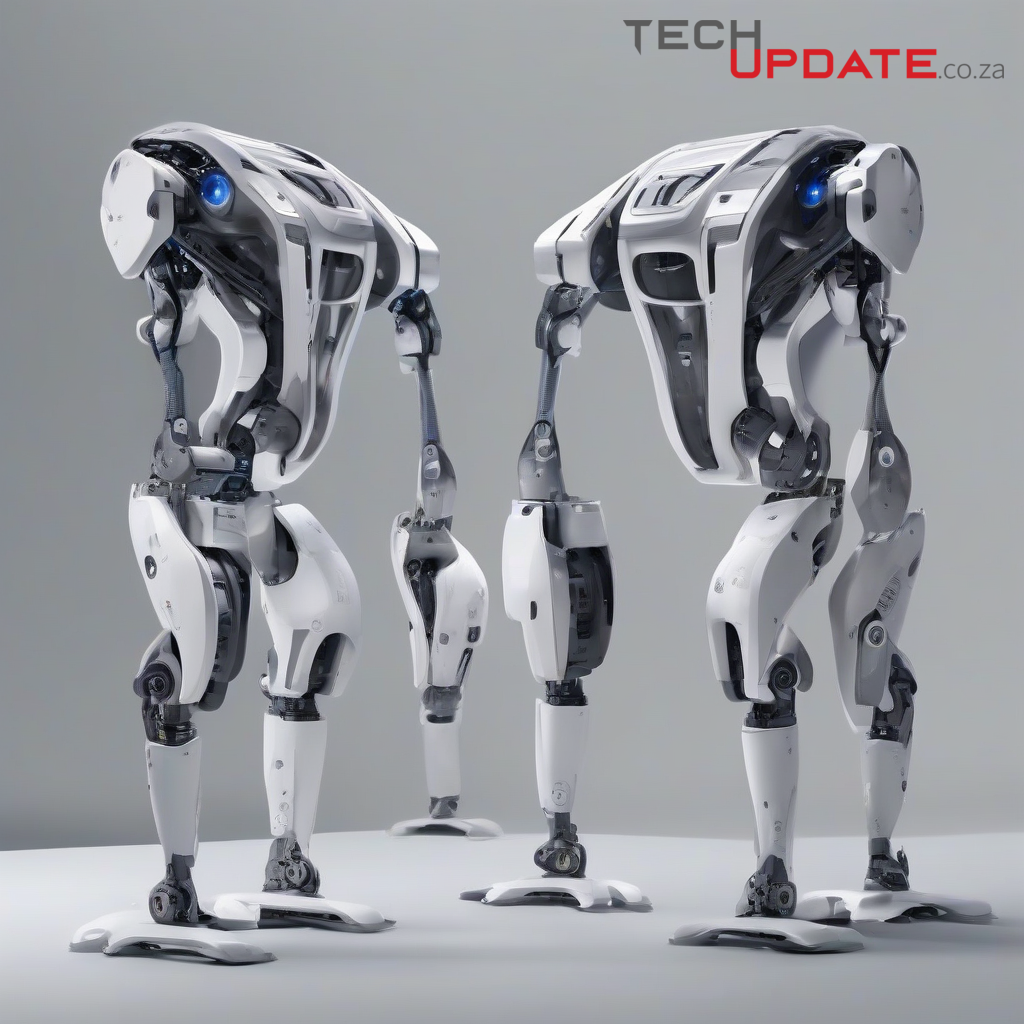
A Strategic Pivot in Global Robotics Manufacturing
In a rapidly evolving geopolitical landscape, where supply chain resilience and national security concerns increasingly dictate trade policies, Ati Robotics has emerged as a notable player with a distinctive manufacturing strategy. The company has positioned itself by assembling its advanced robotic systems in India, consciously minimizing its reliance on Chinese-sourced components. This calculated approach could yield significant dividends, particularly as political tensions between the United States and China continue to escalate, influencing global trade dynamics and technology transfers.
De-risking the Supply Chain: The Ati Robotics Model
Ati Robotics' strategy is a direct response to the growing imperative among technology companies to diversify and de-risk their supply chains. By establishing assembly operations in India, Ati Robotics taps into a burgeoning manufacturing ecosystem while strategically reducing exposure to potential disruptions stemming from US-China trade disputes, tariffs, or intellectual property concerns. This move is not merely about cost efficiency but about securing long-term operational stability and market access, especially in Western markets sensitive to the origins of technological components.
Limited Chinese Dependence
While achieving a completely China-free supply chain remains a complex challenge for most hardware manufacturers due to China's entrenched position in the global electronics ecosystem, Ati Robotics has made significant strides in this direction. The company reportedly uses only a minimal number of Chinese-made parts, focusing on alternatives from other Asian nations or sourcing domestically where feasible. This partial decoupling positions Ati Robotics favorably, especially if the Trump administration's scrutiny on Chinese-made technologies, particularly humanoids and other advanced robotics, intensifies.
Geopolitical Headwinds and Market Opportunity
The previous Trump administration initiated a robust push to decouple critical supply chains from China, driven by concerns over national security, economic competitiveness, and fair trade practices. Should similar policies re-emerge or intensify, companies with diversified manufacturing bases, like Ati Robotics, stand to gain a competitive edge. Customers, particularly those in government, defense, or sensitive industrial sectors, may increasingly prioritize suppliers who can guarantee minimal Chinese involvement in their product’s bill of materials. Ati Robotics' proactive stance therefore anticipates and capitalizes on this shifting market preference.
India's growing role as a manufacturing hub, supported by government initiatives like "Make in India," provides a conducive environment for companies like Ati Robotics. This convergence of geopolitical strategy and local manufacturing incentives creates a compelling narrative for the company's future growth and market penetration.
Summary
Ati Robotics' decision to assemble its robots in India with a deliberate focus on minimizing Chinese component reliance represents a forward-thinking strategic maneuver. This approach not only enhances supply chain resilience but also aligns with the prevailing geopolitical winds that favor diversification away from China, particularly in advanced technological sectors like robotics. As global trade policies continue to evolve under potential future administrations, Ati Robotics is well-positioned to capitalize on a market increasingly valuing secure, transparent, and geographically diversified manufacturing origins.
Resources
Details
Author
Top articles




 }})
You can now watch HBO Max for $10
Latest articles





You can now watch HBO Max for $10
A Strategic Pivot in Global Robotics Manufacturing
In a rapidly evolving geopolitical landscape, where supply chain resilience and national security concerns increasingly dictate trade policies, Ati Robotics has emerged as a notable player with a distinctive manufacturing strategy. The company has positioned itself by assembling its advanced robotic systems in India, consciously minimizing its reliance on Chinese-sourced components. This calculated approach could yield significant dividends, particularly as political tensions between the United States and China continue to escalate, influencing global trade dynamics and technology transfers.
De-risking the Supply Chain: The Ati Robotics Model
Ati Robotics' strategy is a direct response to the growing imperative among technology companies to diversify and de-risk their supply chains. By establishing assembly operations in India, Ati Robotics taps into a burgeoning manufacturing ecosystem while strategically reducing exposure to potential disruptions stemming from US-China trade disputes, tariffs, or intellectual property concerns. This move is not merely about cost efficiency but about securing long-term operational stability and market access, especially in Western markets sensitive to the origins of technological components.
Limited Chinese Dependence
While achieving a completely China-free supply chain remains a complex challenge for most hardware manufacturers due to China's entrenched position in the global electronics ecosystem, Ati Robotics has made significant strides in this direction. The company reportedly uses only a minimal number of Chinese-made parts, focusing on alternatives from other Asian nations or sourcing domestically where feasible. This partial decoupling positions Ati Robotics favorably, especially if the Trump administration's scrutiny on Chinese-made technologies, particularly humanoids and other advanced robotics, intensifies.
Geopolitical Headwinds and Market Opportunity
The previous Trump administration initiated a robust push to decouple critical supply chains from China, driven by concerns over national security, economic competitiveness, and fair trade practices. Should similar policies re-emerge or intensify, companies with diversified manufacturing bases, like Ati Robotics, stand to gain a competitive edge. Customers, particularly those in government, defense, or sensitive industrial sectors, may increasingly prioritize suppliers who can guarantee minimal Chinese involvement in their product’s bill of materials. Ati Robotics' proactive stance therefore anticipates and capitalizes on this shifting market preference.
India's growing role as a manufacturing hub, supported by government initiatives like "Make in India," provides a conducive environment for companies like Ati Robotics. This convergence of geopolitical strategy and local manufacturing incentives creates a compelling narrative for the company's future growth and market penetration.
Summary
Ati Robotics' decision to assemble its robots in India with a deliberate focus on minimizing Chinese component reliance represents a forward-thinking strategic maneuver. This approach not only enhances supply chain resilience but also aligns with the prevailing geopolitical winds that favor diversification away from China, particularly in advanced technological sectors like robotics. As global trade policies continue to evolve under potential future administrations, Ati Robotics is well-positioned to capitalize on a market increasingly valuing secure, transparent, and geographically diversified manufacturing origins.
Resources
Top articles
You can now watch HBO Max for $10
Latest articles
You can now watch HBO Max for $10
Similar posts




This is a page that only logged-in people can visit. Don't you feel special? Try clicking on a button below to do some things you can't do when you're logged out.
Example modal
At your leisure, please peruse this excerpt from a whale of a tale.
Chapter 1: Loomings.
Call me Ishmael. Some years ago—never mind how long precisely—having little or no money in my purse, and nothing particular to interest me on shore, I thought I would sail about a little and see the watery part of the world. It is a way I have of driving off the spleen and regulating the circulation. Whenever I find myself growing grim about the mouth; whenever it is a damp, drizzly November in my soul; whenever I find myself involuntarily pausing before coffin warehouses, and bringing up the rear of every funeral I meet; and especially whenever my hypos get such an upper hand of me, that it requires a strong moral principle to prevent me from deliberately stepping into the street, and methodically knocking people's hats off—then, I account it high time to get to sea as soon as I can. This is my substitute for pistol and ball. With a philosophical flourish Cato throws himself upon his sword; I quietly take to the ship. There is nothing surprising in this. If they but knew it, almost all men in their degree, some time or other, cherish very nearly the same feelings towards the ocean with me.
Comment