Pixi Pioneers Interactive AR Messaging: The Next Frontier in Digital Communication on iOS
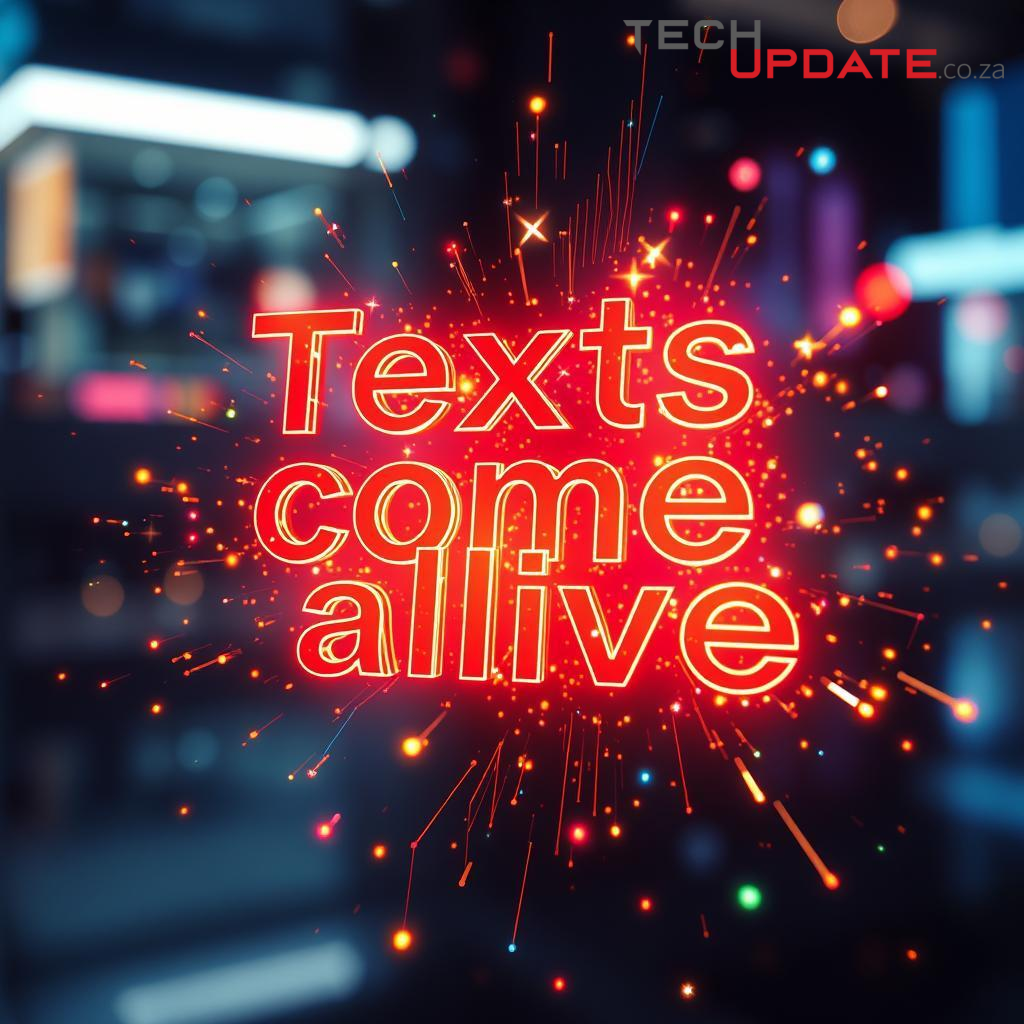
The Dawn of Interactive AR Messaging: Pixi's Vision
The landscape of digital communication is poised for a significant evolution, moving beyond the familiar confines of static text, emojis, and GIFs. At the forefront of this transformation is Pixi, a new iOS application that promises to redefine how individuals interact by converting ordinary text messages into rich, interactive augmented reality (AR) experiences. This innovative approach signifies a strategic pivot from mere visual embellishment to truly immersive and spatial communication.
Beyond Emojis and GIFs: How Pixi Elevates Communication
From Static Text to Dynamic Worlds
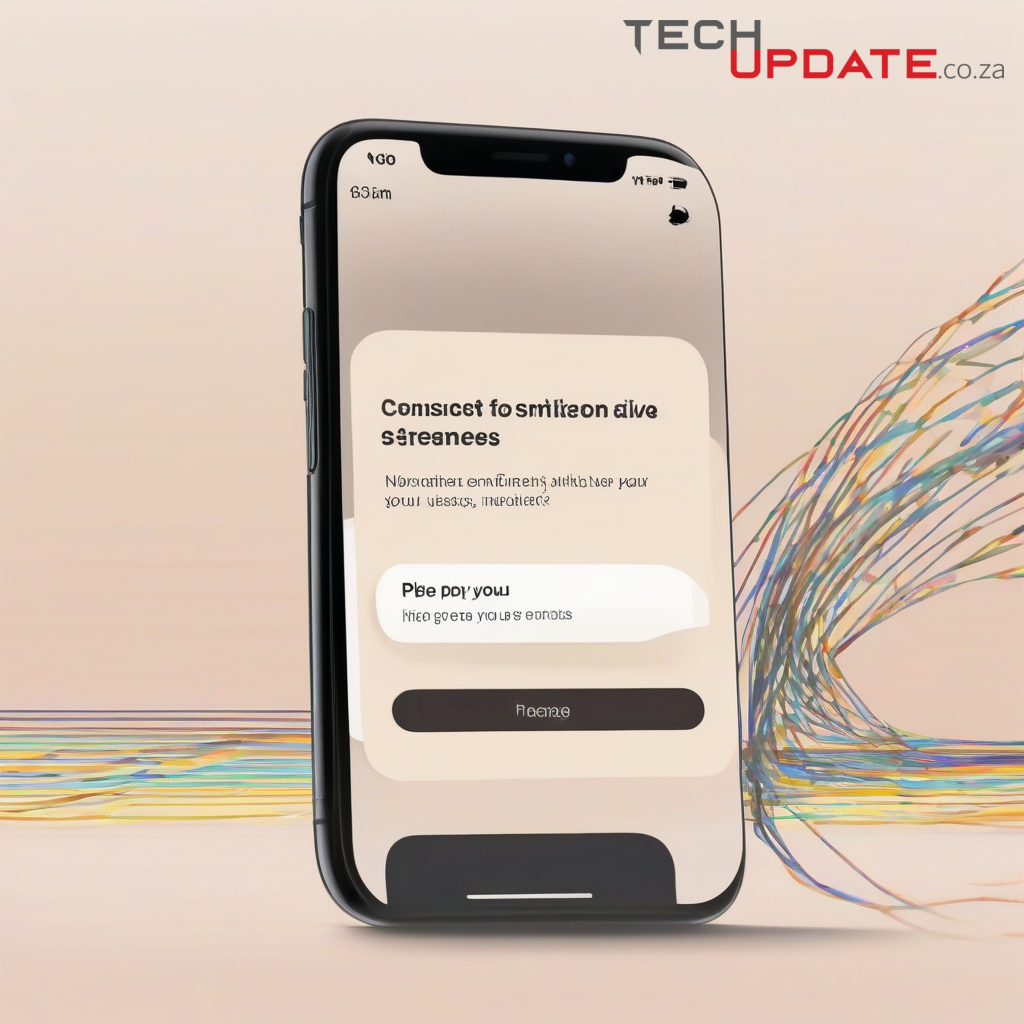
Pixi introduces a paradigm where a simple typed message can manifest as a dynamic, three-dimensional object or scene within the user's real-world environment, viewed through their iOS device camera. Imagine sending a birthday wish that materializes as a floating cake with interactive candles, or a shared memory that unfolds as an AR diorama on your coffee table. The application's core appeal lies in its ability to imbue personal messages with unparalleled depth and context, fostering a more engaging and expressive exchange.
Users can not only observe these AR creations but often interact with them, perhaps by tapping on elements to trigger animations, resizing objects, or even moving them within their physical space. This level of interactivity creates a shared, playful experience that conventional messaging platforms simply cannot replicate, opening new avenues for creative self-expression and interpersonal connection.
The Technology Underpinning Pixi's Innovation
The seamless operation of Pixi relies heavily on advanced augmented reality frameworks, particularly Apple's ARKit, which provides robust capabilities for spatial tracking, plane detection, and realistic rendering on iOS devices. The app likely leverages sophisticated natural language processing (NLP) to interpret the sentiment and content of text messages, translating them into appropriate AR constructs.
Furthermore, the technology involves efficient real-time rendering and network synchronization to ensure that AR messages appear consistently and interactively across different users' devices, facilitating a truly shared augmented experience. This intricate blend of AI, spatial computing, and graphical rendering is crucial to Pixi's functionality, allowing complex digital elements to integrate fluidly with the physical world.
Impact and Implications for Digital Interaction
Enhancing Expression and Engagement
The advent of interactive AR messaging, championed by apps like Pixi, offers profound implications for how we connect. It moves beyond the limitations of pre-defined stickers or reactions, empowering users to create bespoke AR narratives that convey nuances often lost in text. This can significantly enhance emotional resonance, making distant conversations feel more personal and immediate.
Beyond casual chats, such technology holds potential for novel applications in education, storytelling, and even collaborative work, where interactive AR elements could serve as powerful tools for explanation, demonstration, or shared conceptualization.
Navigating the Future of Digital Communication
While the promise of AR messaging is substantial, its widespread adoption will depend on several factors, including hardware capabilities, user interface intuitiveness, and robust privacy protocols. Pixi, as an early mover, is tasked with demonstrating the enduring value and ease of use that will encourage users to transition from established messaging habits to this new, immersive paradigm.
The journey towards a fully augmented communication future is complex, yet Pixi's initiative marks a bold step forward, pushing the boundaries of what mobile messaging can achieve and setting a precedent for a more visually rich, interactive, and spatial digital existence.
Summary
Pixi's new iOS application represents a compelling leap in digital communication, transforming standard text messages into interactive augmented reality experiences. By leveraging advanced AR and NLP technologies, Pixi aims to offer a richer, more expressive, and engaging way to connect, moving beyond the static limitations of current messaging platforms. This innovation not only promises to enhance personal interactions but also paves the way for a broader integration of AR into our daily digital lives.
Resources
Details
Author
Top articles




 }})
You can now watch HBO Max for $10
Latest articles

You can now watch HBO Max for $10
The Dawn of Interactive AR Messaging: Pixi's Vision
The landscape of digital communication is poised for a significant evolution, moving beyond the familiar confines of static text, emojis, and GIFs. At the forefront of this transformation is Pixi, a new iOS application that promises to redefine how individuals interact by converting ordinary text messages into rich, interactive augmented reality (AR) experiences. This innovative approach signifies a strategic pivot from mere visual embellishment to truly immersive and spatial communication.
Beyond Emojis and GIFs: How Pixi Elevates Communication
From Static Text to Dynamic Worlds
Pixi introduces a paradigm where a simple typed message can manifest as a dynamic, three-dimensional object or scene within the user's real-world environment, viewed through their iOS device camera. Imagine sending a birthday wish that materializes as a floating cake with interactive candles, or a shared memory that unfolds as an AR diorama on your coffee table. The application's core appeal lies in its ability to imbue personal messages with unparalleled depth and context, fostering a more engaging and expressive exchange.
Users can not only observe these AR creations but often interact with them, perhaps by tapping on elements to trigger animations, resizing objects, or even moving them within their physical space. This level of interactivity creates a shared, playful experience that conventional messaging platforms simply cannot replicate, opening new avenues for creative self-expression and interpersonal connection.
The Technology Underpinning Pixi's Innovation
The seamless operation of Pixi relies heavily on advanced augmented reality frameworks, particularly Apple's ARKit, which provides robust capabilities for spatial tracking, plane detection, and realistic rendering on iOS devices. The app likely leverages sophisticated natural language processing (NLP) to interpret the sentiment and content of text messages, translating them into appropriate AR constructs.
Furthermore, the technology involves efficient real-time rendering and network synchronization to ensure that AR messages appear consistently and interactively across different users' devices, facilitating a truly shared augmented experience. This intricate blend of AI, spatial computing, and graphical rendering is crucial to Pixi's functionality, allowing complex digital elements to integrate fluidly with the physical world.
Impact and Implications for Digital Interaction
Enhancing Expression and Engagement
The advent of interactive AR messaging, championed by apps like Pixi, offers profound implications for how we connect. It moves beyond the limitations of pre-defined stickers or reactions, empowering users to create bespoke AR narratives that convey nuances often lost in text. This can significantly enhance emotional resonance, making distant conversations feel more personal and immediate.
Beyond casual chats, such technology holds potential for novel applications in education, storytelling, and even collaborative work, where interactive AR elements could serve as powerful tools for explanation, demonstration, or shared conceptualization.
Navigating the Future of Digital Communication
While the promise of AR messaging is substantial, its widespread adoption will depend on several factors, including hardware capabilities, user interface intuitiveness, and robust privacy protocols. Pixi, as an early mover, is tasked with demonstrating the enduring value and ease of use that will encourage users to transition from established messaging habits to this new, immersive paradigm.
The journey towards a fully augmented communication future is complex, yet Pixi's initiative marks a bold step forward, pushing the boundaries of what mobile messaging can achieve and setting a precedent for a more visually rich, interactive, and spatial digital existence.
Summary
Pixi's new iOS application represents a compelling leap in digital communication, transforming standard text messages into interactive augmented reality experiences. By leveraging advanced AR and NLP technologies, Pixi aims to offer a richer, more expressive, and engaging way to connect, moving beyond the static limitations of current messaging platforms. This innovation not only promises to enhance personal interactions but also paves the way for a broader integration of AR into our daily digital lives.
Resources
Top articles
You can now watch HBO Max for $10
Latest articles
You can now watch HBO Max for $10
Similar posts


This is a page that only logged-in people can visit. Don't you feel special? Try clicking on a button below to do some things you can't do when you're logged out.
Example modal
At your leisure, please peruse this excerpt from a whale of a tale.
Chapter 1: Loomings.
Call me Ishmael. Some years ago—never mind how long precisely—having little or no money in my purse, and nothing particular to interest me on shore, I thought I would sail about a little and see the watery part of the world. It is a way I have of driving off the spleen and regulating the circulation. Whenever I find myself growing grim about the mouth; whenever it is a damp, drizzly November in my soul; whenever I find myself involuntarily pausing before coffin warehouses, and bringing up the rear of every funeral I meet; and especially whenever my hypos get such an upper hand of me, that it requires a strong moral principle to prevent me from deliberately stepping into the street, and methodically knocking people's hats off—then, I account it high time to get to sea as soon as I can. This is my substitute for pistol and ball. With a philosophical flourish Cato throws himself upon his sword; I quietly take to the ship. There is nothing surprising in this. If they but knew it, almost all men in their degree, some time or other, cherish very nearly the same feelings towards the ocean with me.
Comment