Nvidia's Audacious Bet: Is "Compute as an Asset Class" a Financial Revolution or a Risky Proposition?

Introduction: The Dawn of a New Financial Frontier?
In a move that could redefine capital markets, Nvidia, under the visionary leadership of CEO Jensen Huang, is spearheading an ambitious initiative. Alongside a formidable coalition of financial heavyweights—including Apollo, BlackRock, Blackstone, Brookfield, Goldman Sachs, and KKR—the tech giant is working to elevate computational power, particularly the sophisticated infrastructure required for artificial intelligence, into a recognized and investable asset class. This collaboration aims to unlock up to $500 billion in financing, signaling a profound belief in the intrinsic value of digital processing capacity.
Huang’s pronouncement, "These are revenue-generating assets now. They're productive, they're long-lived, they're fungible, they're flexible," echoes through the corridors of finance, drawing parallels to historical moments when new categories of wealth emerged. The proposition suggests a fundamental re-evaluation of how technology infrastructure is perceived and capitalized.
Compute as an Asset: Unpacking Nvidia's Vision
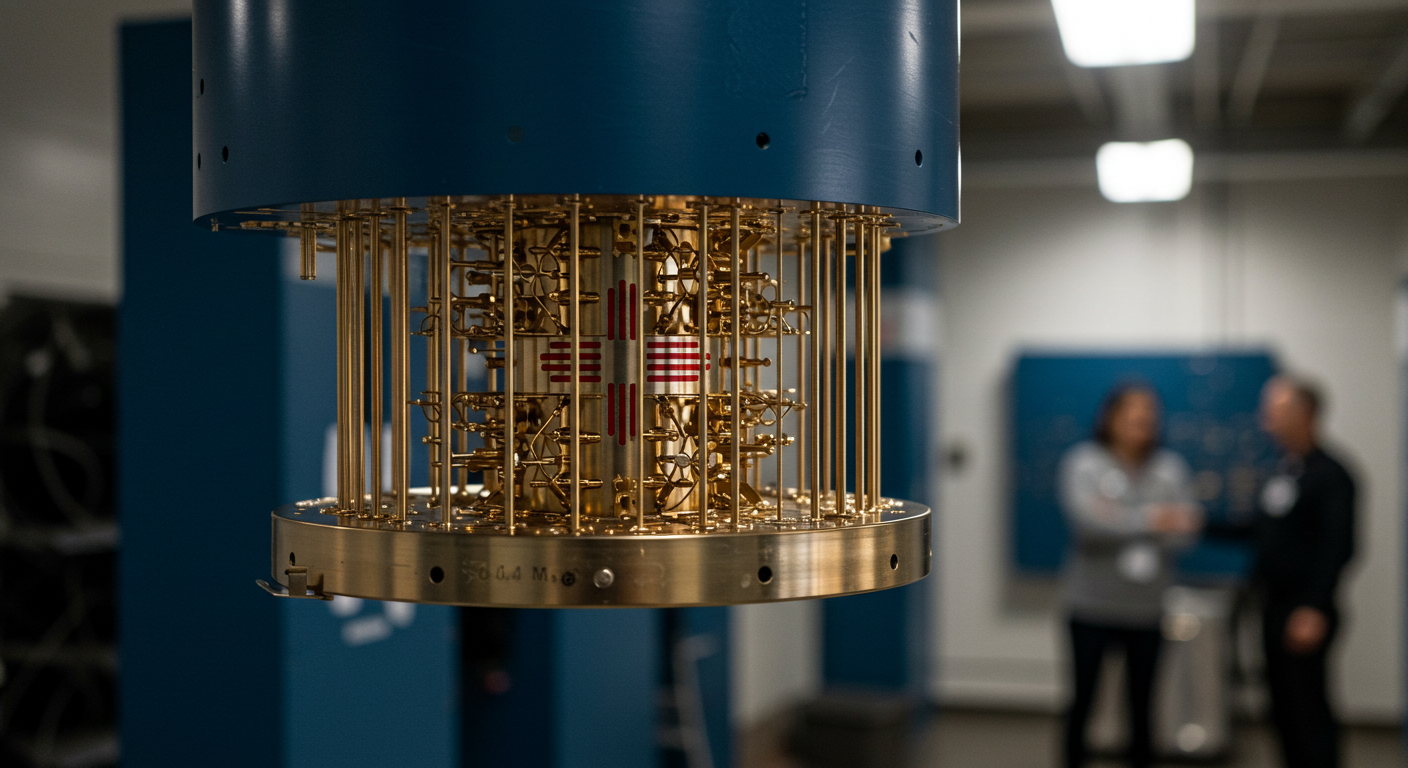
The core of Nvidia's strategy lies in reframing high-performance computing resources, primarily its advanced AI chips and associated data center infrastructure, as tangible assets that can generate consistent returns. This vision posits that just as investors purchase bonds or real estate for income, they could soon invest in "compute" to earn revenue from its utilization.
The Mechanism of a New Asset Class
The proposed model involves financial institutions funding the construction and operation of massive AI data centers. These firms would effectively own the "compute assets," which would then be leased to businesses and developers requiring vast processing power for AI training, inferencing, and other intensive workloads. This leasing arrangement would generate predictable revenue streams for investors, thereby transforming the capital-intensive world of AI infrastructure into a structured financial product.
The Rationale Behind the Radical Shift
The driving force behind this financial innovation is the unprecedented demand for AI compute. Building and maintaining cutting-edge AI infrastructure is staggeringly expensive, creating a significant barrier to entry for many enterprises. By making compute an asset class, Nvidia and its partners aim to:
- Democratize Access: Enable a broader range of companies, from startups to established players, to access high-end compute without the prohibitive upfront capital expenditure.
- Unlock Capital: Create new avenues for institutional investors to deploy capital into the rapidly growing technology sector, offering returns tied directly to the production and consumption of digital intelligence.
- Drive Growth: Further fuel the AI revolution by ensuring a robust, well-financed supply of the fundamental resource it needs to thrive.
Scrutiny and Potential Pitfalls
While the vision is ambitious, it also invites significant scrutiny regarding its long-term viability and potential systemic implications.
Market Volatility and Technological Obsolescence
A primary concern revolves around the "long-lived" nature of these assets. The pace of innovation in AI chips and data center technology is relentless. A chip generation can become outdated in a few years, raising questions about the true longevity and sustained value of these computational assets. This rapid obsolescence contrasts sharply with traditional long-lived assets like real estate or industrial machinery, introducing a unique risk profile for investors.
Concentration of Power and Access
Another area of concern is the potential for increased concentration of control over critical AI infrastructure. If a few large financial entities come to own a significant portion of the world's high-end compute, it could lead to less competition, higher pricing, and potentially restrictive access for innovators and researchers. This consolidation could inadvertently stifle the very innovation it aims to support.
Energy and Environmental Considerations
The scale of the proposed compute infrastructure is immense, implying colossal energy consumption. The environmental footprint of massive, always-on data centers running advanced AI models is a growing concern. The financialization of compute must inherently grapple with the long-term sustainability and environmental impact of this energy-intensive asset class.
The Road Ahead: An Unfolding Narrative
Nvidia’s audacious strategy represents a fascinating confluence of technology and finance. It underscores a profound confidence in the sustained, exponential growth of AI and its foundational compute requirements. Whether "compute as an asset class" will prove to be a resilient and transformative financial instrument or a speculative venture susceptible to market whims and technological shifts remains an unfolding narrative. The global financial community will be keenly observing if these digital engines of intelligence can truly stand alongside traditional asset classes, shaping the economic landscape for decades to come.
Summary
Nvidia, in collaboration with major financial firms, is pioneering an initiative to establish computational power, particularly AI infrastructure, as a new investable asset class. This strategy aims to secure hundreds of billions in financing to build and lease AI data centers, democratizing access to crucial compute resources while offering new revenue streams for investors. While proponents highlight the asset's revenue-generating potential and its role in fueling AI growth, critical questions persist regarding technological obsolescence, potential market volatility, concentration of power, and significant environmental impacts. The success of this novel financial approach will ultimately depend on its ability to navigate these complex challenges and prove its long-term stability.
Resources
- CNBC: "Nvidia CEO Jensen Huang says AI compute will be a new asset class: ‘These are revenue-generating assets now’" (https://www.cnbc.com/2024/04/15/nvidia-ceo-jensen-huang-says-ai-compute-will-be-a-new-asset-class.html)
- The Wall Street Journal: "Wall Street Backs Nvidia’s Plan to Turn Compute Power Into an Asset Class" (https://www.wsj.com/tech/ai/wall-street-backs-nvidias-plan-to-turn-compute-power-into-an-asset-class-b32fcb5d)
- EE Times: "Nvidia, Financial Firms Team Up to Make AI Compute an Asset Class" (https://www.eetimes.com/nvidia-financial-firms-team-up-to-make-ai-compute-an-asset-class/)
Details
Author
Top articles




 }})
You can now watch HBO Max for $10
Latest articles





You can now watch HBO Max for $10
Introduction: The Dawn of a New Financial Frontier?
In a move that could redefine capital markets, Nvidia, under the visionary leadership of CEO Jensen Huang, is spearheading an ambitious initiative. Alongside a formidable coalition of financial heavyweights—including Apollo, BlackRock, Blackstone, Brookfield, Goldman Sachs, and KKR—the tech giant is working to elevate computational power, particularly the sophisticated infrastructure required for artificial intelligence, into a recognized and investable asset class. This collaboration aims to unlock up to $500 billion in financing, signaling a profound belief in the intrinsic value of digital processing capacity.
Huang’s pronouncement, "These are revenue-generating assets now. They're productive, they're long-lived, they're fungible, they're flexible," echoes through the corridors of finance, drawing parallels to historical moments when new categories of wealth emerged. The proposition suggests a fundamental re-evaluation of how technology infrastructure is perceived and capitalized.
Compute as an Asset: Unpacking Nvidia's Vision
The core of Nvidia's strategy lies in reframing high-performance computing resources, primarily its advanced AI chips and associated data center infrastructure, as tangible assets that can generate consistent returns. This vision posits that just as investors purchase bonds or real estate for income, they could soon invest in "compute" to earn revenue from its utilization.
The Mechanism of a New Asset Class
The proposed model involves financial institutions funding the construction and operation of massive AI data centers. These firms would effectively own the "compute assets," which would then be leased to businesses and developers requiring vast processing power for AI training, inferencing, and other intensive workloads. This leasing arrangement would generate predictable revenue streams for investors, thereby transforming the capital-intensive world of AI infrastructure into a structured financial product.
The Rationale Behind the Radical Shift
The driving force behind this financial innovation is the unprecedented demand for AI compute. Building and maintaining cutting-edge AI infrastructure is staggeringly expensive, creating a significant barrier to entry for many enterprises. By making compute an asset class, Nvidia and its partners aim to:
- Democratize Access: Enable a broader range of companies, from startups to established players, to access high-end compute without the prohibitive upfront capital expenditure.
- Unlock Capital: Create new avenues for institutional investors to deploy capital into the rapidly growing technology sector, offering returns tied directly to the production and consumption of digital intelligence.
- Drive Growth: Further fuel the AI revolution by ensuring a robust, well-financed supply of the fundamental resource it needs to thrive.
Scrutiny and Potential Pitfalls
While the vision is ambitious, it also invites significant scrutiny regarding its long-term viability and potential systemic implications.
Market Volatility and Technological Obsolescence
A primary concern revolves around the "long-lived" nature of these assets. The pace of innovation in AI chips and data center technology is relentless. A chip generation can become outdated in a few years, raising questions about the true longevity and sustained value of these computational assets. This rapid obsolescence contrasts sharply with traditional long-lived assets like real estate or industrial machinery, introducing a unique risk profile for investors.
Concentration of Power and Access
Another area of concern is the potential for increased concentration of control over critical AI infrastructure. If a few large financial entities come to own a significant portion of the world's high-end compute, it could lead to less competition, higher pricing, and potentially restrictive access for innovators and researchers. This consolidation could inadvertently stifle the very innovation it aims to support.
Energy and Environmental Considerations
The scale of the proposed compute infrastructure is immense, implying colossal energy consumption. The environmental footprint of massive, always-on data centers running advanced AI models is a growing concern. The financialization of compute must inherently grapple with the long-term sustainability and environmental impact of this energy-intensive asset class.
The Road Ahead: An Unfolding Narrative
Nvidia’s audacious strategy represents a fascinating confluence of technology and finance. It underscores a profound confidence in the sustained, exponential growth of AI and its foundational compute requirements. Whether "compute as an asset class" will prove to be a resilient and transformative financial instrument or a speculative venture susceptible to market whims and technological shifts remains an unfolding narrative. The global financial community will be keenly observing if these digital engines of intelligence can truly stand alongside traditional asset classes, shaping the economic landscape for decades to come.
Summary
Nvidia, in collaboration with major financial firms, is pioneering an initiative to establish computational power, particularly AI infrastructure, as a new investable asset class. This strategy aims to secure hundreds of billions in financing to build and lease AI data centers, democratizing access to crucial compute resources while offering new revenue streams for investors. While proponents highlight the asset's revenue-generating potential and its role in fueling AI growth, critical questions persist regarding technological obsolescence, potential market volatility, concentration of power, and significant environmental impacts. The success of this novel financial approach will ultimately depend on its ability to navigate these complex challenges and prove its long-term stability.
Resources
- CNBC: "Nvidia CEO Jensen Huang says AI compute will be a new asset class: ‘These are revenue-generating assets now’" (https://www.cnbc.com/2024/04/15/nvidia-ceo-jensen-huang-says-ai-compute-will-be-a-new-asset-class.html)
- The Wall Street Journal: "Wall Street Backs Nvidia’s Plan to Turn Compute Power Into an Asset Class" (https://www.wsj.com/tech/ai/wall-street-backs-nvidias-plan-to-turn-compute-power-into-an-asset-class-b32fcb5d)
- EE Times: "Nvidia, Financial Firms Team Up to Make AI Compute an Asset Class" (https://www.eetimes.com/nvidia-financial-firms-team-up-to-make-ai-compute-an-asset-class/)
Top articles
You can now watch HBO Max for $10
Latest articles
You can now watch HBO Max for $10
Similar posts




This is a page that only logged-in people can visit. Don't you feel special? Try clicking on a button below to do some things you can't do when you're logged out.
Example modal
At your leisure, please peruse this excerpt from a whale of a tale.
Chapter 1: Loomings.
Call me Ishmael. Some years ago—never mind how long precisely—having little or no money in my purse, and nothing particular to interest me on shore, I thought I would sail about a little and see the watery part of the world. It is a way I have of driving off the spleen and regulating the circulation. Whenever I find myself growing grim about the mouth; whenever it is a damp, drizzly November in my soul; whenever I find myself involuntarily pausing before coffin warehouses, and bringing up the rear of every funeral I meet; and especially whenever my hypos get such an upper hand of me, that it requires a strong moral principle to prevent me from deliberately stepping into the street, and methodically knocking people's hats off—then, I account it high time to get to sea as soon as I can. This is my substitute for pistol and ball. With a philosophical flourish Cato throws himself upon his sword; I quietly take to the ship. There is nothing surprising in this. If they but knew it, almost all men in their degree, some time or other, cherish very nearly the same feelings towards the ocean with me.
Comment