ULA on the Brink: Financial Pressures Mount as Vulcan Readies for Critical Launches
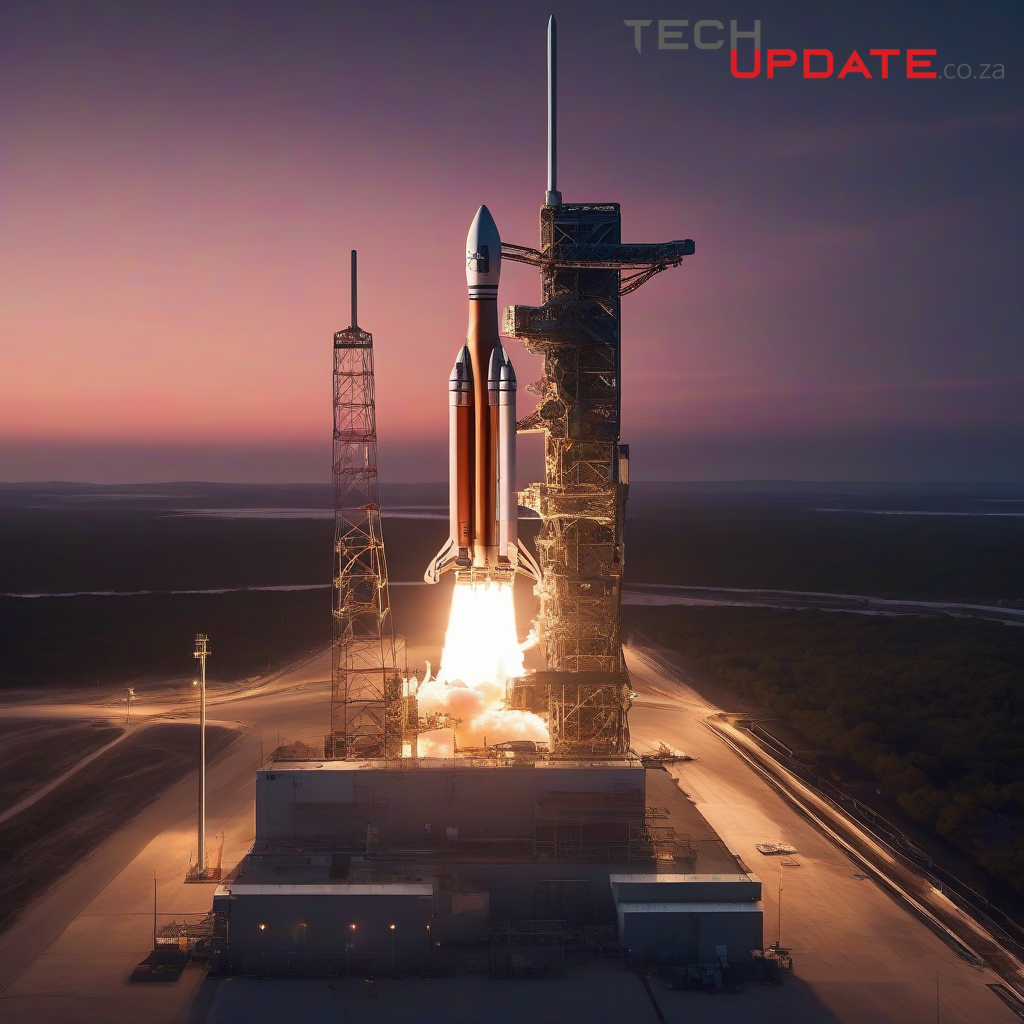
United Launch Alliance: A Crossroads Amidst Launch Resumption and Sale Speculation
United Launch Alliance (ULA), the storied joint venture between aerospace titans Boeing and Lockheed Martin, stands at a pivotal moment. With the much-anticipated resumption of its Vulcan Centaur rocket launches in the coming weeks, the company grapples with persistent financial pressures and escalating rumors of a potential sale. This period marks a critical juncture for ULA, as it navigates a rapidly evolving space launch market characterized by intense competition and disruptive innovation.
The Erosion of a Dominant Business Model
For decades, ULA commanded a near-monopoly on high-value government and military launches, benefiting from a cost-plus contract structure and a reliable, albeit expensive, fleet of Atlas V and Delta IV rockets. However, the advent of commercial space ventures, particularly SpaceX's reusable Falcon 9, fundamentally altered the landscape. SpaceX's lower launch costs and high flight cadence exposed the vulnerabilities of ULA's traditional model, which relied on bespoke, high-cost expendable rockets. This shift led to a significant erosion of UULA's market share and profitability, intensifying scrutiny from its parent companies.
Vulcan Centaur: ULA's Bid for Relevance
The Vulcan Centaur represents ULA's strategic response to these market dynamics. Designed as a more cost-effective and capable successor to the Atlas V, the Vulcan aims to reclaim competitiveness against rivals. Its successful inaugural flight in January 2024, carrying Astrobotic's Peregrine lunar lander, was a crucial step, despite the lander's subsequent propulsion anomaly. The upcoming launches are paramount not only for fulfilling commercial and national security contracts but also for demonstrating the rocket's reliability and operational efficiency, factors that are vital for ULA's long-term viability and any potential valuation.
Intensifying Sale Speculation
Amidst these operational developments, the whispers of a ULA sale have grown louder and more concrete. Reports indicate that Lockheed Martin and Boeing are actively exploring options for divesting their stakes in the joint venture. Prospective buyers reportedly include major aerospace players like Blue Origin, owned by Amazon founder Jeff Bezos, and private equity firms. A sale would mark a significant restructuring within the U.S. space industry, potentially reshaping the competitive balance for national security launch contracts and commercial missions. The timing of a sale, however, could heavily depend on the successful and sustained performance of the Vulcan Centaur.
Conclusion: A Defining Period for ULA
As ULA prepares for a busy launch manifest with the Vulcan Centaur, the stakes could not be higher. The company's ability to demonstrate consistent, reliable, and cost-effective launch services with its new rocket will be instrumental in determining its future. Whether it continues under its current ownership or transitions to a new entity, ULA's journey through this period will undoubtedly leave a lasting impact on the evolving narrative of commercial and government space access.
Resources
Details
Author
Top articles




 }})
You can now watch HBO Max for $10
Latest articles




You can now watch HBO Max for $10
United Launch Alliance: A Crossroads Amidst Launch Resumption and Sale Speculation
United Launch Alliance (ULA), the storied joint venture between aerospace titans Boeing and Lockheed Martin, stands at a pivotal moment. With the much-anticipated resumption of its Vulcan Centaur rocket launches in the coming weeks, the company grapples with persistent financial pressures and escalating rumors of a potential sale. This period marks a critical juncture for ULA, as it navigates a rapidly evolving space launch market characterized by intense competition and disruptive innovation.
The Erosion of a Dominant Business Model
For decades, ULA commanded a near-monopoly on high-value government and military launches, benefiting from a cost-plus contract structure and a reliable, albeit expensive, fleet of Atlas V and Delta IV rockets. However, the advent of commercial space ventures, particularly SpaceX's reusable Falcon 9, fundamentally altered the landscape. SpaceX's lower launch costs and high flight cadence exposed the vulnerabilities of ULA's traditional model, which relied on bespoke, high-cost expendable rockets. This shift led to a significant erosion of UULA's market share and profitability, intensifying scrutiny from its parent companies.
Vulcan Centaur: ULA's Bid for Relevance
The Vulcan Centaur represents ULA's strategic response to these market dynamics. Designed as a more cost-effective and capable successor to the Atlas V, the Vulcan aims to reclaim competitiveness against rivals. Its successful inaugural flight in January 2024, carrying Astrobotic's Peregrine lunar lander, was a crucial step, despite the lander's subsequent propulsion anomaly. The upcoming launches are paramount not only for fulfilling commercial and national security contracts but also for demonstrating the rocket's reliability and operational efficiency, factors that are vital for ULA's long-term viability and any potential valuation.
Intensifying Sale Speculation
Amidst these operational developments, the whispers of a ULA sale have grown louder and more concrete. Reports indicate that Lockheed Martin and Boeing are actively exploring options for divesting their stakes in the joint venture. Prospective buyers reportedly include major aerospace players like Blue Origin, owned by Amazon founder Jeff Bezos, and private equity firms. A sale would mark a significant restructuring within the U.S. space industry, potentially reshaping the competitive balance for national security launch contracts and commercial missions. The timing of a sale, however, could heavily depend on the successful and sustained performance of the Vulcan Centaur.
Conclusion: A Defining Period for ULA
As ULA prepares for a busy launch manifest with the Vulcan Centaur, the stakes could not be higher. The company's ability to demonstrate consistent, reliable, and cost-effective launch services with its new rocket will be instrumental in determining its future. Whether it continues under its current ownership or transitions to a new entity, ULA's journey through this period will undoubtedly leave a lasting impact on the evolving narrative of commercial and government space access.
Resources
Top articles
You can now watch HBO Max for $10
Latest articles
You can now watch HBO Max for $10
Similar posts




This is a page that only logged-in people can visit. Don't you feel special? Try clicking on a button below to do some things you can't do when you're logged out.
Example modal
At your leisure, please peruse this excerpt from a whale of a tale.
Chapter 1: Loomings.
Call me Ishmael. Some years ago—never mind how long precisely—having little or no money in my purse, and nothing particular to interest me on shore, I thought I would sail about a little and see the watery part of the world. It is a way I have of driving off the spleen and regulating the circulation. Whenever I find myself growing grim about the mouth; whenever it is a damp, drizzly November in my soul; whenever I find myself involuntarily pausing before coffin warehouses, and bringing up the rear of every funeral I meet; and especially whenever my hypos get such an upper hand of me, that it requires a strong moral principle to prevent me from deliberately stepping into the street, and methodically knocking people's hats off—then, I account it high time to get to sea as soon as I can. This is my substitute for pistol and ball. With a philosophical flourish Cato throws himself upon his sword; I quietly take to the ship. There is nothing surprising in this. If they but knew it, almost all men in their degree, some time or other, cherish very nearly the same feelings towards the ocean with me.
Comment