Coldcard Hardware Wallet Vulnerability Implicated in $70 Million Bitcoin Heist

Coldcard Hardware Wallet Vulnerability Implicated in $70 Million Bitcoin Heist
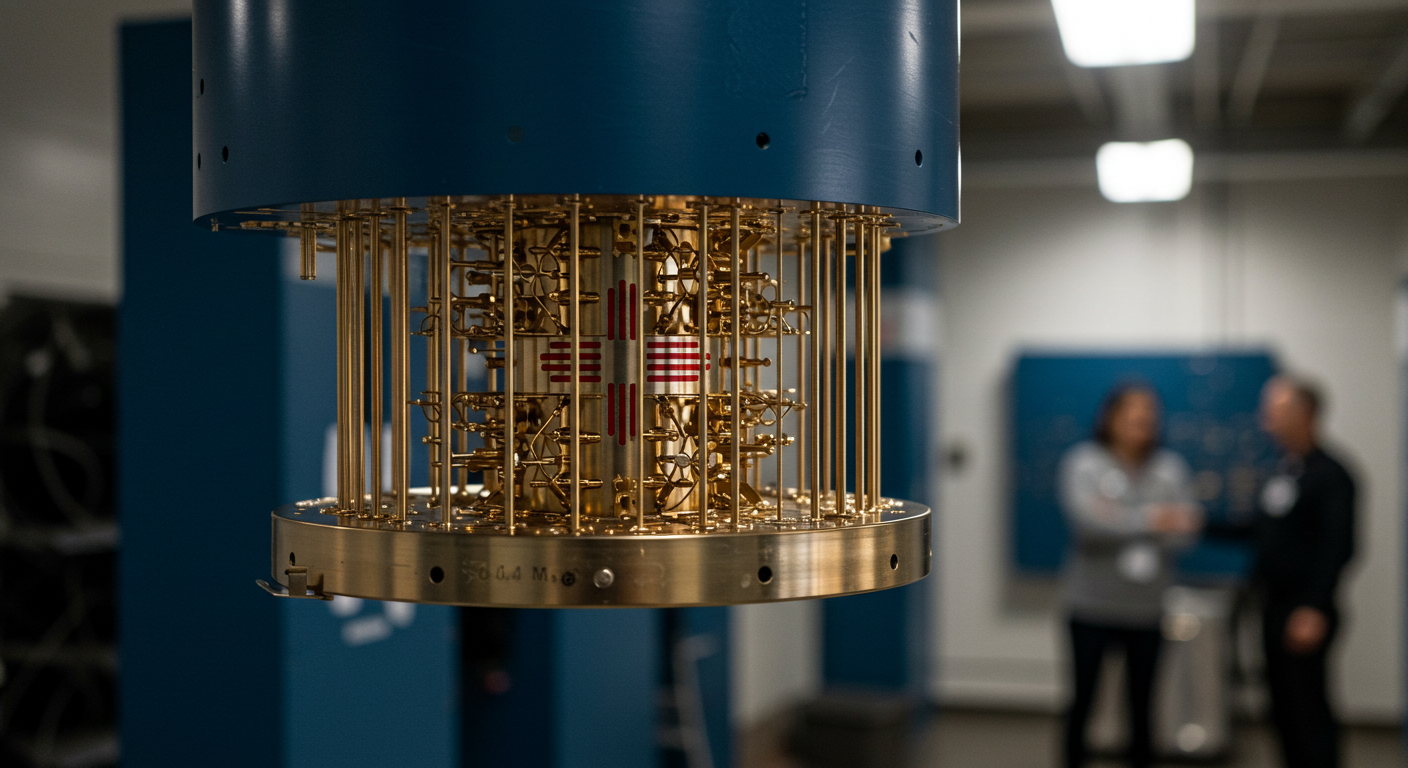
A sophisticated attacker exploited a critical firmware vulnerability in Coldcard, a popular Bitcoin-only hardware wallet, to abscond with approximately $70.2 million in Bitcoin. The rapid theft, which occurred on July 30, 2023, saw 1,082.65 BTC drained from 1,196 distinct addresses in a mere 41 minutes, according to a detailed analysis by Galaxy Research.
The Glaring Flaw: A Deterministic Seed Generation Error
The root cause of the monumental theft has been traced back to a specific firmware integration error introduced in March 2021. This flaw inadvertently routed a crucial part of the seed generation process to a deterministic software pseudorandom number generator (PRNG) when users utilized the "seed XOR" feature under particular, complex conditions. This negated the intended cryptographic randomness essential for securing private keys, making the generated seeds predictable to a determined attacker.
Hardware wallets are designed to provide a robust layer of security by generating and storing private keys offline, insulated from internet-connected threats. However, the integrity of this security hinges entirely on the unpredictability of the seed generation process. When a PRNG becomes deterministic, its output can eventually be guessed or reproduced, rendering the associated private keys vulnerable.
The Anatomy of the Attack
Galaxy Research's investigation meticulously mapped the attacker's movements, revealing a highly coordinated sweep. Within less than an hour, the perpetrator systematically emptied vulnerable addresses, consolidating the stolen funds. The sheer speed and scale of the operation suggest a pre-existing understanding of the vulnerability and potentially, a targeted approach towards wallets that had interacted with the compromised firmware feature.
While the initial theft went unnoticed by the broader crypto community, Galaxy's deep dive into blockchain forensics illuminated the link between the synchronized drain and the specific Coldcard vulnerability. The firm’s report underscored the critical importance of true randomness in cryptographic operations, especially for devices designed to be the ultimate guardians of digital assets.
Coinkite's Response and Industry Implications
Coinkite, the Canadian firm behind the Coldcard wallet, acknowledged the issue and has since released firmware updates to address the specific vulnerability. While the "seed XOR" feature was intended for advanced users to combine multiple entropy sources, its flawed implementation created an unforeseen attack vector. Users are strongly advised to ensure their Coldcard devices run the latest firmware and to review any seed generation processes if they utilized the affected feature.
This incident serves as a potent reminder of the subtle yet profound vulnerabilities that can exist even in highly regarded hardware security products. It highlights the ongoing need for rigorous auditing, transparent vulnerability disclosure, and proactive security measures within the cryptocurrency hardware sector. The trust placed in these devices is paramount, and any compromise, however technically intricate, can have devastating financial consequences for users.
Summary
A significant security lapse involving a deterministic pseudorandom number generator in Coldcard hardware wallets led to the theft of approximately $70.2 million in Bitcoin on July 30, 2023. This firmware flaw, active since March 2021 under specific "seed XOR" usage conditions, allowed an attacker to drain over 1,000 Bitcoin addresses in 41 minutes. The incident, brought to light by Galaxy Research, underscores the critical importance of robust cryptographic randomness and continuous security vigilance in hardware wallet design and implementation.
Resources
Details
Author
Top articles




 }})
You can now watch HBO Max for $10
Latest articles





You can now watch HBO Max for $10
Coldcard Hardware Wallet Vulnerability Implicated in $70 Million Bitcoin Heist
A sophisticated attacker exploited a critical firmware vulnerability in Coldcard, a popular Bitcoin-only hardware wallet, to abscond with approximately $70.2 million in Bitcoin. The rapid theft, which occurred on July 30, 2023, saw 1,082.65 BTC drained from 1,196 distinct addresses in a mere 41 minutes, according to a detailed analysis by Galaxy Research.
The Glaring Flaw: A Deterministic Seed Generation Error
The root cause of the monumental theft has been traced back to a specific firmware integration error introduced in March 2021. This flaw inadvertently routed a crucial part of the seed generation process to a deterministic software pseudorandom number generator (PRNG) when users utilized the "seed XOR" feature under particular, complex conditions. This negated the intended cryptographic randomness essential for securing private keys, making the generated seeds predictable to a determined attacker.
Hardware wallets are designed to provide a robust layer of security by generating and storing private keys offline, insulated from internet-connected threats. However, the integrity of this security hinges entirely on the unpredictability of the seed generation process. When a PRNG becomes deterministic, its output can eventually be guessed or reproduced, rendering the associated private keys vulnerable.
The Anatomy of the Attack
Galaxy Research's investigation meticulously mapped the attacker's movements, revealing a highly coordinated sweep. Within less than an hour, the perpetrator systematically emptied vulnerable addresses, consolidating the stolen funds. The sheer speed and scale of the operation suggest a pre-existing understanding of the vulnerability and potentially, a targeted approach towards wallets that had interacted with the compromised firmware feature.
While the initial theft went unnoticed by the broader crypto community, Galaxy's deep dive into blockchain forensics illuminated the link between the synchronized drain and the specific Coldcard vulnerability. The firm’s report underscored the critical importance of true randomness in cryptographic operations, especially for devices designed to be the ultimate guardians of digital assets.
Coinkite's Response and Industry Implications
Coinkite, the Canadian firm behind the Coldcard wallet, acknowledged the issue and has since released firmware updates to address the specific vulnerability. While the "seed XOR" feature was intended for advanced users to combine multiple entropy sources, its flawed implementation created an unforeseen attack vector. Users are strongly advised to ensure their Coldcard devices run the latest firmware and to review any seed generation processes if they utilized the affected feature.
This incident serves as a potent reminder of the subtle yet profound vulnerabilities that can exist even in highly regarded hardware security products. It highlights the ongoing need for rigorous auditing, transparent vulnerability disclosure, and proactive security measures within the cryptocurrency hardware sector. The trust placed in these devices is paramount, and any compromise, however technically intricate, can have devastating financial consequences for users.
Summary
A significant security lapse involving a deterministic pseudorandom number generator in Coldcard hardware wallets led to the theft of approximately $70.2 million in Bitcoin on July 30, 2023. This firmware flaw, active since March 2021 under specific "seed XOR" usage conditions, allowed an attacker to drain over 1,000 Bitcoin addresses in 41 minutes. The incident, brought to light by Galaxy Research, underscores the critical importance of robust cryptographic randomness and continuous security vigilance in hardware wallet design and implementation.
Resources
Top articles
You can now watch HBO Max for $10
Latest articles
You can now watch HBO Max for $10
Similar posts



This is a page that only logged-in people can visit. Don't you feel special? Try clicking on a button below to do some things you can't do when you're logged out.
Example modal
At your leisure, please peruse this excerpt from a whale of a tale.
Chapter 1: Loomings.
Call me Ishmael. Some years ago—never mind how long precisely—having little or no money in my purse, and nothing particular to interest me on shore, I thought I would sail about a little and see the watery part of the world. It is a way I have of driving off the spleen and regulating the circulation. Whenever I find myself growing grim about the mouth; whenever it is a damp, drizzly November in my soul; whenever I find myself involuntarily pausing before coffin warehouses, and bringing up the rear of every funeral I meet; and especially whenever my hypos get such an upper hand of me, that it requires a strong moral principle to prevent me from deliberately stepping into the street, and methodically knocking people's hats off—then, I account it high time to get to sea as soon as I can. This is my substitute for pistol and ball. With a philosophical flourish Cato throws himself upon his sword; I quietly take to the ship. There is nothing surprising in this. If they but knew it, almost all men in their degree, some time or other, cherish very nearly the same feelings towards the ocean with me.
Comment