Nothing Phone 4a Pro Review: A Midrange Contender Challenging the Pixel 10a
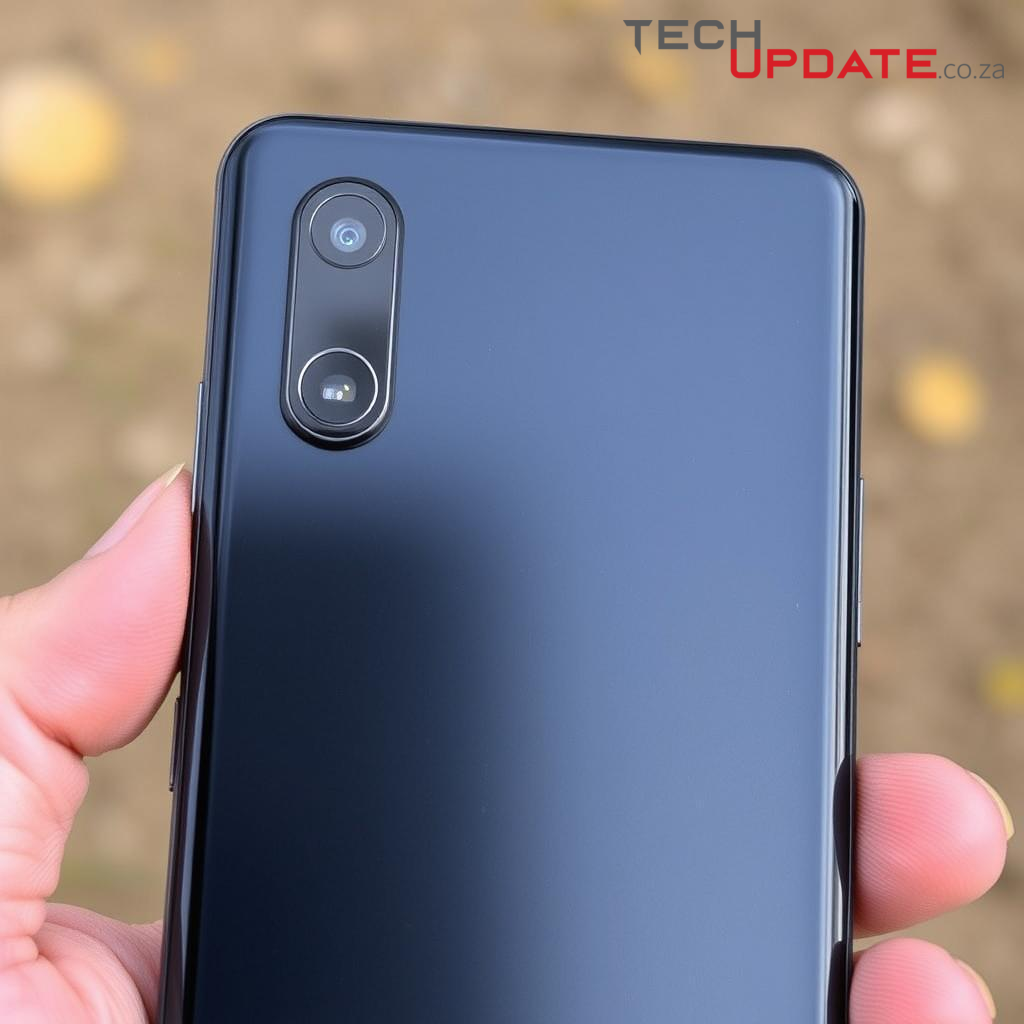
Nothing has once again opted for an unconventional release strategy, positioning its midrange 'A-series' smartphones ahead of its flagship offerings. With the company confirming that the Nothing Phone 4 won't arrive until next year, the spotlight falls squarely on the new Nothing Phone 4a Pro. This device aims to make a significant impact in the competitive midrange segment, boasting a more refined aesthetic, a less obtrusive camera system, and specifications that surpass its predecessor, the Nothing Phone 3, all while maintaining an attractive price point of $499. The company's ambition is clear: to directly challenge and potentially dethrone Google's Pixel 10a in 2026.
Hardware Evolution and Design Philosophy
The Nothing Phone 4a Pro introduces a notable departure in design. While Nothing's previous devices were characterized by their transparent back panels revealing internal components, the 4a Pro marks the brand's first foray into a metal (aluminum) unibody construction. This shift brings a more premium and refined feel, which some might argue surpasses even the flagship Phone 3 in perceived quality.
A welcome change is the elimination of the awkwardly thick camera bump seen on last year’s Phone 3a Pro. Thanks to a new periscope telephoto camera design, the Phone 4a Pro presents a sleeker profile. However, this evolution also results in a somewhat muted aesthetic compared to earlier Nothing phones. The brand's signature playful design elements—red accents, visible circuits, and numerous circular motifs—are now consolidated within an oblong camera panel. This module neatly houses a trio of cameras, a "Now Recording" indicator light, and an enhanced Glyph Matrix.
The updated Glyph Matrix, while brighter and larger, features a lower "resolution" with 137 mini-LEDs, a reduction from the Phone 3’s 489-strong dot-matrix. Despite fewer LEDs, they are considerably brighter, necessitating a reduction in brightness during use. Curiously, the physical button for cycling through Glyph functions, present on the Phone 3, is absent here. Software navigation for Glyph options remains somewhat convoluted, with limited "toys" available at launch, an aspect that will hopefully improve with future updates.
Display-wise, the Phone 4a Pro impresses with a larger 6.83-inch AMOLED screen, boasting a 1.5K resolution and a higher refresh rate than the 6.67-inch Phone 3. Its most striking feature is a peak brightness of 5,000 nits, making it Nothing's most luminous smartphone to date. This enhanced brightness significantly improves outdoor readability, a crucial advantage as brighter weather approaches.
Further refinements include improved IP65 water and dust resistance, along with a 42 percent increase in bend resistance compared to the Phone 3a Pro. The device is also nearly 0.5mm thinner (excluding the camera bump), or almost 1.5mm thinner when accounting for the new camera design, contributing to a less top-heavy feel. These aesthetic changes collectively represent a significant stride in hardware refinement.
Advanced Imaging Capabilities
Beyond its streamlined design, the Phone 4a Pro brings considerable improvements to its camera system. The new tetraprism periscopic lens is not only more space-efficient but also enhances imaging performance. This 50-megapixel telephoto lens offers a 3.5x optical zoom, complemented by computational photography that can achieve an impressive, albeit often impractical, 140x hybrid zoom.
The primary 50MP sensor benefits from a larger sensor size, leading to enhanced low-light performance. However, its f/1.88 aperture lens is marginally less capable than the Phone 3’s f/1.68 main camera, both on paper and in practical application. The camera array is completed by an 8MP ultrawide lens, which, like many ultrawide smartphone cameras, serves a more niche purpose. Interestingly, the front-facing camera sees a technical downgrade, with a 32MP sensor on the 4a Pro compared to the 3a Pro’s 50MP.
A notable innovation is Ultra XDR, a collaborative development with Google that merges Android’s native HDR processing with Nothing’s proprietary approach. This technology captures 13 RAW frames at various exposures, combining them to deliver superior dynamic range and detail. While Ultra XDR images currently face some sharing limitations, they are compatible with Google Photos and Instagram. Initial observations suggest that Ultra XDR offers a subtle, rather than dramatic, improvement over standard HDR capture, an area that warrants further evaluation.
Video recording, however, presents a significant area for improvement. Transitions between zoom levels frequently disrupt exposure settings, and even when recording at a fixed focal length, exposure levels appear overly sensitive and inconsistent. Footage often lacks clarity, and low-light video performance is underwhelming, even with Ultra XDR video mode engaged. While the Pixel 10a avoids these issues, it also lacks the zoom capabilities of the 4a Pro. In optimal lighting conditions, video quality is adequate, but beyond the 3.5x optical zoom, quality diminishes noticeably. Despite these video shortcomings, the versatility and quality of still images from both the main and telephoto lenses position the Phone 4a Pro above many competitors in its price segment.
Performance, Software, and Longevity
Under the hood, the Phone 4a Pro is powered by Qualcomm’s more capable Snapdragon 7 Gen 4 processor. Nothing asserts significant performance gains, including a 27 percent boost in CPU, 30 percent in GPU, and a substantial 65 percent improvement in AI performance compared to the Phone 3a series, alongside proprietary on-device optimizations.
These performance enhancements are particularly evident in gaming. While the 3a series struggled with graphically intensive titles, the Phone 4a Pro capably handles games like Red Dead Redemption and Diablo Immortal. Although not a perfectly polished experience, gaming remains responsive and playable at 60 frames per second, with only occasional frame drops.
The Phone 4a Pro houses a 5,080mAh battery, similar in capacity to its predecessor. It supports 50W fast charging, a modest improvement over the Pixel 10a, though it notably lacks wireless charging—a feature present on Google's midrange contender and a subtle indicator of the 4a Pro’s positioning below Nothing’s true flagships.
Battery life, however, is a standout feature. Despite a similar battery size, the Phone 4a Pro impressively lasted 24 hours in rigorous rundown tests, five hours more than its predecessor. This longevity is a significant advantage for daily use.
The software experience incorporates features introduced or teased in previous Nothing phones. "Essential Search" provides a system-wide search functionality, encompassing messages, files, and other device content. A new "Breathing Break" widget is also included. "Essential Memory" refers to Nothing’s background algorithms that analyze phone content and data stored in "Essential Space." A welcome addition is cloud storage for Essential Space, facilitating seamless data transfer for users upgrading between compatible Nothing devices.
In a subtle hardware adjustment, the "Essential Key" has been relocated to the left edge of the phone, making accidental activations less likely and aligning its placement more closely with common smartphone ergonomics.
One persistent concern from previous Nothing devices remains its software update policy. The company promises three years of Android updates and an additional three years of security patches. This falls short of competitors like Samsung, which offers seven years of Android updates for its S26 series, and Google’s Pixel 10a, highlighting a potential area for Nothing to improve its long-term software commitment.
Summary
The Nothing Phone 4a Pro emerges as a formidable contender in the midrange smartphone market, significantly outperforming its $499 price tag. Nothing has successfully evolved its hardware, delivering a more premium, all-metal unibody design that sheds the bulky camera module of its predecessor. The result is a sleek device housing a genuinely impressive camera system. Its enhanced camera versatility, coupled with a class-leading 24-hour battery life and a more powerful processor, positions it as a serious challenger to the Pixel 10a.
However, this refinement comes at the cost of some of Nothing's signature playful design elements. The Glyph Matrix, while brighter, features a lower resolution and its "toys" are disappointingly limited at launch. The absence of wireless charging also serves as a reminder of its midrange status. Despite these minor drawbacks, the Nothing Phone 4a Pro is a device with a clear identity, delivering essential features and premium experiences at a price point that makes it a highly compelling option.
Resources
- Engadget
- The Verge
- TechRadar
Details
Author
Top articles




 }})
You can now watch HBO Max for $10
Latest articles





You can now watch HBO Max for $10
Nothing has once again opted for an unconventional release strategy, positioning its midrange 'A-series' smartphones ahead of its flagship offerings. With the company confirming that the Nothing Phone 4 won't arrive until next year, the spotlight falls squarely on the new Nothing Phone 4a Pro. This device aims to make a significant impact in the competitive midrange segment, boasting a more refined aesthetic, a less obtrusive camera system, and specifications that surpass its predecessor, the Nothing Phone 3, all while maintaining an attractive price point of $499. The company's ambition is clear: to directly challenge and potentially dethrone Google's Pixel 10a in 2026.
Hardware Evolution and Design Philosophy
The Nothing Phone 4a Pro introduces a notable departure in design. While Nothing's previous devices were characterized by their transparent back panels revealing internal components, the 4a Pro marks the brand's first foray into a metal (aluminum) unibody construction. This shift brings a more premium and refined feel, which some might argue surpasses even the flagship Phone 3 in perceived quality.
A welcome change is the elimination of the awkwardly thick camera bump seen on last year’s Phone 3a Pro. Thanks to a new periscope telephoto camera design, the Phone 4a Pro presents a sleeker profile. However, this evolution also results in a somewhat muted aesthetic compared to earlier Nothing phones. The brand's signature playful design elements—red accents, visible circuits, and numerous circular motifs—are now consolidated within an oblong camera panel. This module neatly houses a trio of cameras, a "Now Recording" indicator light, and an enhanced Glyph Matrix.
The updated Glyph Matrix, while brighter and larger, features a lower "resolution" with 137 mini-LEDs, a reduction from the Phone 3’s 489-strong dot-matrix. Despite fewer LEDs, they are considerably brighter, necessitating a reduction in brightness during use. Curiously, the physical button for cycling through Glyph functions, present on the Phone 3, is absent here. Software navigation for Glyph options remains somewhat convoluted, with limited "toys" available at launch, an aspect that will hopefully improve with future updates.
Display-wise, the Phone 4a Pro impresses with a larger 6.83-inch AMOLED screen, boasting a 1.5K resolution and a higher refresh rate than the 6.67-inch Phone 3. Its most striking feature is a peak brightness of 5,000 nits, making it Nothing's most luminous smartphone to date. This enhanced brightness significantly improves outdoor readability, a crucial advantage as brighter weather approaches.
Further refinements include improved IP65 water and dust resistance, along with a 42 percent increase in bend resistance compared to the Phone 3a Pro. The device is also nearly 0.5mm thinner (excluding the camera bump), or almost 1.5mm thinner when accounting for the new camera design, contributing to a less top-heavy feel. These aesthetic changes collectively represent a significant stride in hardware refinement.
Advanced Imaging Capabilities
Beyond its streamlined design, the Phone 4a Pro brings considerable improvements to its camera system. The new tetraprism periscopic lens is not only more space-efficient but also enhances imaging performance. This 50-megapixel telephoto lens offers a 3.5x optical zoom, complemented by computational photography that can achieve an impressive, albeit often impractical, 140x hybrid zoom.
The primary 50MP sensor benefits from a larger sensor size, leading to enhanced low-light performance. However, its f/1.88 aperture lens is marginally less capable than the Phone 3’s f/1.68 main camera, both on paper and in practical application. The camera array is completed by an 8MP ultrawide lens, which, like many ultrawide smartphone cameras, serves a more niche purpose. Interestingly, the front-facing camera sees a technical downgrade, with a 32MP sensor on the 4a Pro compared to the 3a Pro’s 50MP.
A notable innovation is Ultra XDR, a collaborative development with Google that merges Android’s native HDR processing with Nothing’s proprietary approach. This technology captures 13 RAW frames at various exposures, combining them to deliver superior dynamic range and detail. While Ultra XDR images currently face some sharing limitations, they are compatible with Google Photos and Instagram. Initial observations suggest that Ultra XDR offers a subtle, rather than dramatic, improvement over standard HDR capture, an area that warrants further evaluation.
Video recording, however, presents a significant area for improvement. Transitions between zoom levels frequently disrupt exposure settings, and even when recording at a fixed focal length, exposure levels appear overly sensitive and inconsistent. Footage often lacks clarity, and low-light video performance is underwhelming, even with Ultra XDR video mode engaged. While the Pixel 10a avoids these issues, it also lacks the zoom capabilities of the 4a Pro. In optimal lighting conditions, video quality is adequate, but beyond the 3.5x optical zoom, quality diminishes noticeably. Despite these video shortcomings, the versatility and quality of still images from both the main and telephoto lenses position the Phone 4a Pro above many competitors in its price segment.
Performance, Software, and Longevity
Under the hood, the Phone 4a Pro is powered by Qualcomm’s more capable Snapdragon 7 Gen 4 processor. Nothing asserts significant performance gains, including a 27 percent boost in CPU, 30 percent in GPU, and a substantial 65 percent improvement in AI performance compared to the Phone 3a series, alongside proprietary on-device optimizations.
These performance enhancements are particularly evident in gaming. While the 3a series struggled with graphically intensive titles, the Phone 4a Pro capably handles games like Red Dead Redemption and Diablo Immortal. Although not a perfectly polished experience, gaming remains responsive and playable at 60 frames per second, with only occasional frame drops.
The Phone 4a Pro houses a 5,080mAh battery, similar in capacity to its predecessor. It supports 50W fast charging, a modest improvement over the Pixel 10a, though it notably lacks wireless charging—a feature present on Google's midrange contender and a subtle indicator of the 4a Pro’s positioning below Nothing’s true flagships.
Battery life, however, is a standout feature. Despite a similar battery size, the Phone 4a Pro impressively lasted 24 hours in rigorous rundown tests, five hours more than its predecessor. This longevity is a significant advantage for daily use.
The software experience incorporates features introduced or teased in previous Nothing phones. "Essential Search" provides a system-wide search functionality, encompassing messages, files, and other device content. A new "Breathing Break" widget is also included. "Essential Memory" refers to Nothing’s background algorithms that analyze phone content and data stored in "Essential Space." A welcome addition is cloud storage for Essential Space, facilitating seamless data transfer for users upgrading between compatible Nothing devices.
In a subtle hardware adjustment, the "Essential Key" has been relocated to the left edge of the phone, making accidental activations less likely and aligning its placement more closely with common smartphone ergonomics.
One persistent concern from previous Nothing devices remains its software update policy. The company promises three years of Android updates and an additional three years of security patches. This falls short of competitors like Samsung, which offers seven years of Android updates for its S26 series, and Google’s Pixel 10a, highlighting a potential area for Nothing to improve its long-term software commitment.
Summary
The Nothing Phone 4a Pro emerges as a formidable contender in the midrange smartphone market, significantly outperforming its $499 price tag. Nothing has successfully evolved its hardware, delivering a more premium, all-metal unibody design that sheds the bulky camera module of its predecessor. The result is a sleek device housing a genuinely impressive camera system. Its enhanced camera versatility, coupled with a class-leading 24-hour battery life and a more powerful processor, positions it as a serious challenger to the Pixel 10a.
However, this refinement comes at the cost of some of Nothing's signature playful design elements. The Glyph Matrix, while brighter, features a lower resolution and its "toys" are disappointingly limited at launch. The absence of wireless charging also serves as a reminder of its midrange status. Despite these minor drawbacks, the Nothing Phone 4a Pro is a device with a clear identity, delivering essential features and premium experiences at a price point that makes it a highly compelling option.
Resources
- Engadget
- The Verge
- TechRadar
Top articles
You can now watch HBO Max for $10
Latest articles
You can now watch HBO Max for $10
Similar posts



This is a page that only logged-in people can visit. Don't you feel special? Try clicking on a button below to do some things you can't do when you're logged out.
Example modal
At your leisure, please peruse this excerpt from a whale of a tale.
Chapter 1: Loomings.
Call me Ishmael. Some years ago—never mind how long precisely—having little or no money in my purse, and nothing particular to interest me on shore, I thought I would sail about a little and see the watery part of the world. It is a way I have of driving off the spleen and regulating the circulation. Whenever I find myself growing grim about the mouth; whenever it is a damp, drizzly November in my soul; whenever I find myself involuntarily pausing before coffin warehouses, and bringing up the rear of every funeral I meet; and especially whenever my hypos get such an upper hand of me, that it requires a strong moral principle to prevent me from deliberately stepping into the street, and methodically knocking people's hats off—then, I account it high time to get to sea as soon as I can. This is my substitute for pistol and ball. With a philosophical flourish Cato throws himself upon his sword; I quietly take to the ship. There is nothing surprising in this. If they but knew it, almost all men in their degree, some time or other, cherish very nearly the same feelings towards the ocean with me.
Comment