Google Introduces 24-Hour Sideloading Delay for Unverified Android Apps to Bolster Security Against Malware and Scams
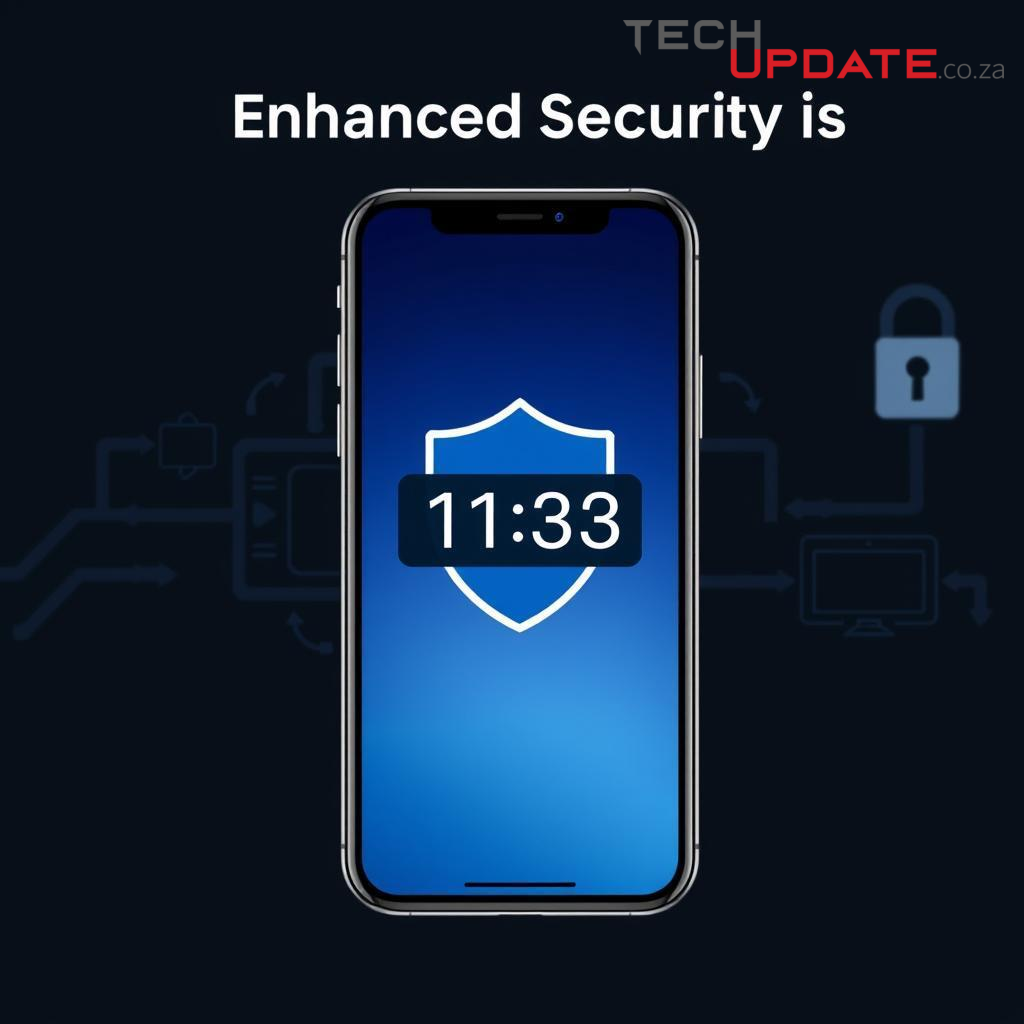
A New Frontier in Android Security: The 24-Hour Sideloading Mandate
Google has recently unveiled a significant update to its Android operating system's security protocols, introducing a mandatory 24-hour waiting period for users attempting to install applications from unverified developers via sideloading. This strategic move aims to fortify the platform against the persistent threats of malware and sophisticated scam operations, striking a delicate balance between Android's inherent openness and the critical imperative of user safety.
The "Advanced Flow" Explained
The new policy, dubbed an "advanced flow" by the tech giant, specifically targets apps acquired outside of the official Google Play Store. When an Android user initiates the installation of an application from a developer who has not undergone Google's verification process, the system will now impose a full 24-hour delay before the installation can proceed. This waiting period provides an additional window for Google Play Protect, the company's built-in malware protection service, to conduct more thorough scans and analysis of the unverified software, flagging potential risks before they can compromise a device.
Context: Building on Prior Verification Mandates
This latest security enhancement does not emerge in a vacuum. It builds directly upon a developer verification mandate that Google instituted last year. That earlier requirement stipulated that all Android applications, regardless of distribution method, must originate from developers who have successfully registered and verified their identity with Google. The 24-hour sideloading delay acts as a crucial enforcement and mitigation layer for apps that might attempt to circumvent or fall outside the immediate purview of that initial verification, particularly those distributed through unofficial channels.
Mitigating the Risks: Malware and Scams
The rationale behind this proactive measure is clear: to significantly reduce the attack surface for malicious actors. Sideloading, while offering flexibility and developer freedom, has historically been a conduit for distributing harmful applications, including ransomware, spyware, and sophisticated phishing scams. By introducing a delay, Google aims to:
- Provide ample time for its security systems to detect emerging threats.
- Discourage opportunistic attackers who rely on quick installation before detection.
- Educate users about the potential risks associated with unverified sources.
This approach reflects a growing industry trend towards enhanced platform security, acknowledging the increasing sophistication of cyber threats targeting mobile users.
Implications for Users and Developers
For the average Android user, this change primarily translates to a slightly longer wait for non-Play Store apps from lesser-known developers. While potentially inconvenient for some, it ultimately enhances their safety net. For independent developers and those operating outside the Google Play ecosystem, the emphasis on verification becomes even more pronounced. Adhering to Google's developer verification guidelines will be paramount to ensure their applications can be installed without the enforced delay, thus maintaining a smoother user experience.
Summary
Google's implementation of a 24-hour waiting period for sideloading apps from unverified developers represents a pivotal step in strengthening Android's security posture. By providing its Play Protect service with additional time for scrutiny, the company aims to significantly curtail the spread of malware and scams, thereby protecting millions of users. This policy reinforces Google's ongoing commitment to balancing the open nature of Android with robust protective measures, pushing developers towards official verification for seamless distribution.
Resources
- Android Developers Blog (Official Announcements)
- TechCrunch
- The Verge
Details
Author
Top articles




 }})
You can now watch HBO Max for $10
Latest articles





You can now watch HBO Max for $10
A New Frontier in Android Security: The 24-Hour Sideloading Mandate
Google has recently unveiled a significant update to its Android operating system's security protocols, introducing a mandatory 24-hour waiting period for users attempting to install applications from unverified developers via sideloading. This strategic move aims to fortify the platform against the persistent threats of malware and sophisticated scam operations, striking a delicate balance between Android's inherent openness and the critical imperative of user safety.
The "Advanced Flow" Explained
The new policy, dubbed an "advanced flow" by the tech giant, specifically targets apps acquired outside of the official Google Play Store. When an Android user initiates the installation of an application from a developer who has not undergone Google's verification process, the system will now impose a full 24-hour delay before the installation can proceed. This waiting period provides an additional window for Google Play Protect, the company's built-in malware protection service, to conduct more thorough scans and analysis of the unverified software, flagging potential risks before they can compromise a device.
Context: Building on Prior Verification Mandates
This latest security enhancement does not emerge in a vacuum. It builds directly upon a developer verification mandate that Google instituted last year. That earlier requirement stipulated that all Android applications, regardless of distribution method, must originate from developers who have successfully registered and verified their identity with Google. The 24-hour sideloading delay acts as a crucial enforcement and mitigation layer for apps that might attempt to circumvent or fall outside the immediate purview of that initial verification, particularly those distributed through unofficial channels.
Mitigating the Risks: Malware and Scams
The rationale behind this proactive measure is clear: to significantly reduce the attack surface for malicious actors. Sideloading, while offering flexibility and developer freedom, has historically been a conduit for distributing harmful applications, including ransomware, spyware, and sophisticated phishing scams. By introducing a delay, Google aims to:
- Provide ample time for its security systems to detect emerging threats.
- Discourage opportunistic attackers who rely on quick installation before detection.
- Educate users about the potential risks associated with unverified sources.
This approach reflects a growing industry trend towards enhanced platform security, acknowledging the increasing sophistication of cyber threats targeting mobile users.
Implications for Users and Developers
For the average Android user, this change primarily translates to a slightly longer wait for non-Play Store apps from lesser-known developers. While potentially inconvenient for some, it ultimately enhances their safety net. For independent developers and those operating outside the Google Play ecosystem, the emphasis on verification becomes even more pronounced. Adhering to Google's developer verification guidelines will be paramount to ensure their applications can be installed without the enforced delay, thus maintaining a smoother user experience.
Summary
Google's implementation of a 24-hour waiting period for sideloading apps from unverified developers represents a pivotal step in strengthening Android's security posture. By providing its Play Protect service with additional time for scrutiny, the company aims to significantly curtail the spread of malware and scams, thereby protecting millions of users. This policy reinforces Google's ongoing commitment to balancing the open nature of Android with robust protective measures, pushing developers towards official verification for seamless distribution.
Resources
- Android Developers Blog (Official Announcements)
- TechCrunch
- The Verge
Top articles
You can now watch HBO Max for $10
Latest articles
You can now watch HBO Max for $10
Similar posts

This is a page that only logged-in people can visit. Don't you feel special? Try clicking on a button below to do some things you can't do when you're logged out.
Example modal
At your leisure, please peruse this excerpt from a whale of a tale.
Chapter 1: Loomings.
Call me Ishmael. Some years ago—never mind how long precisely—having little or no money in my purse, and nothing particular to interest me on shore, I thought I would sail about a little and see the watery part of the world. It is a way I have of driving off the spleen and regulating the circulation. Whenever I find myself growing grim about the mouth; whenever it is a damp, drizzly November in my soul; whenever I find myself involuntarily pausing before coffin warehouses, and bringing up the rear of every funeral I meet; and especially whenever my hypos get such an upper hand of me, that it requires a strong moral principle to prevent me from deliberately stepping into the street, and methodically knocking people's hats off—then, I account it high time to get to sea as soon as I can. This is my substitute for pistol and ball. With a philosophical flourish Cato throws himself upon his sword; I quietly take to the ship. There is nothing surprising in this. If they but knew it, almost all men in their degree, some time or other, cherish very nearly the same feelings towards the ocean with me.
Comment