Call of Duty DMZ's PvE Evolution: Story Missions Offered a Glimmer of Hope for Solo Players, But PvP's Shadow Looms Large
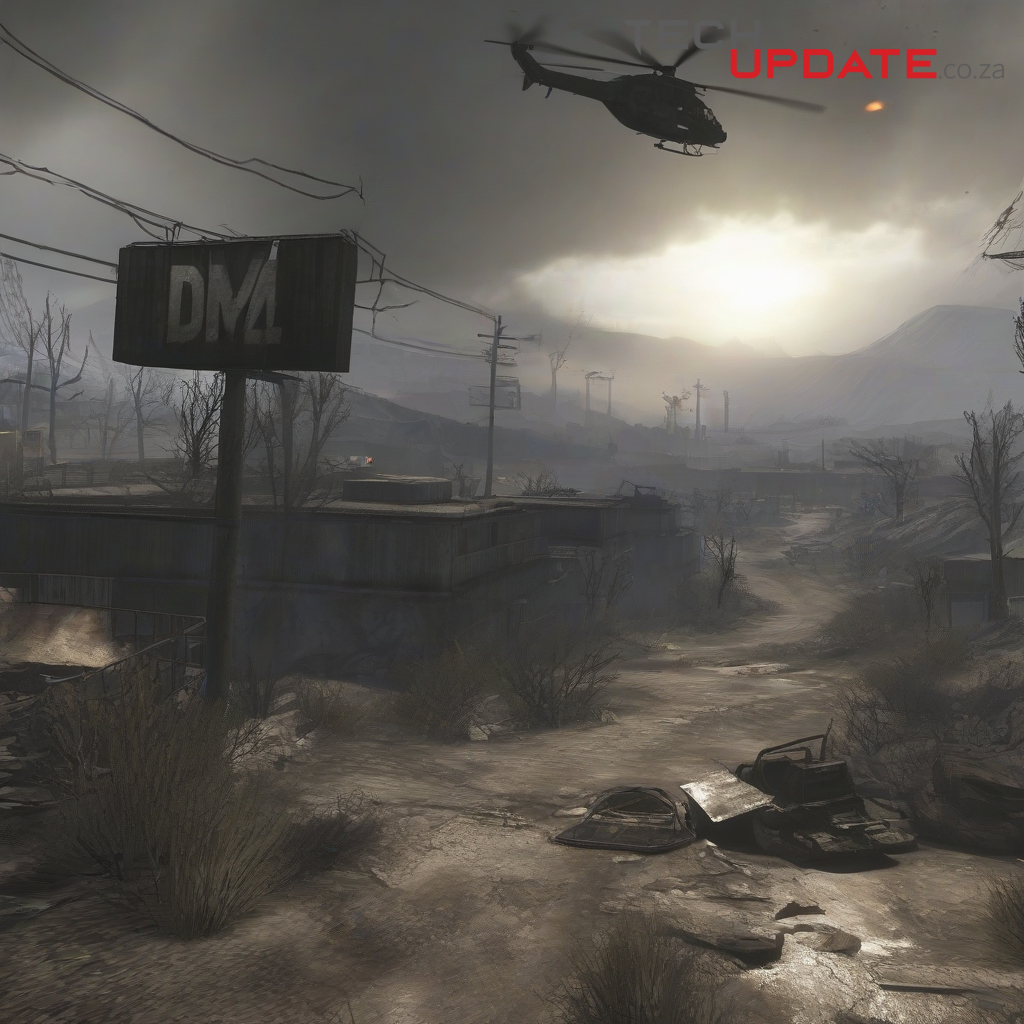
From its inception within Call of Duty: Modern Warfare II, the DMZ extraction mode established itself as a dynamic, high-stakes blend of player-versus-player and player-versus-environment encounters. This design ethos, consistently championed by developer Infinity Ward, positioned the mode as an unpredictable battleground where human adversaries were as significant a threat as the AI-controlled combatants. Yet, a persistent chorus from the community, particularly from solo operators and those seeking a less confrontational experience, advocated for the introduction of dedicated PvE-only servers. While a full concession to these demands never materialized, DMZ's evolving mission structure, particularly through its story-driven objectives, offered a nuanced compromise, albeit one laden with critical caveats.
The Evolving Landscape of DMZ: A PvE Glimmer for Solo Operators?
The core appeal of DMZ lay in its emergent gameplay, where every deployment presented unique challenges and opportunities. However, for a segment of the player base, the constant threat of encountering highly-geared enemy squads detracted from the strategic enjoyment of looting, completing contracts, and exploring the expansive maps. Over successive seasons, the introduction and expansion of "Story Missions" and complex "Faction Missions" began to reshape this dynamic. These objectives often required intricate multi-stage operations, specific item retrievals, and engagements with heavily fortified AI strongholds, providing a more structured, narrative-driven PvE experience.
Story Missions: A Strategic Pivot Towards Narrative PvE
These specialized missions were designed with a clear focus on the environment and AI adversaries. Players, often working against the clock, had to infiltrate bases, decode intel, eliminate high-value AI targets, or exfiltrate unique items under heavy AI resistance. For solo players, concentrating on these objectives allowed for a more predictable and often less confrontational playstyle, provided they could navigate the AI threats effectively. The sense of progression tied to these missions, unlocking new tiers and narrative elements, further incentivized a PvE-centric approach, drawing players deeper into the lore of the DMZ.
The Unyielding PvP Element: Persistent Threats and Extraction Hazards
Despite the increased emphasis on AI engagements within specific missions, the fundamental PvPvE nature of DMZ remained untouched. Operators were still deployed onto maps shared with multiple other player squads, and these human adversaries posed the most significant and unpredictable threat. A solo player diligently completing a PvE objective could, at any moment, be ambushed by a coordinated team of three, rendering their progress moot. Furthermore, the critical extraction phase, where players secure their earned loot and mission progress, consistently served as a high-tension hotspot for player-versus-player combat. Successful extraction often hinged not just on defeating AI, but on outmaneuvering or outgunning rival operators.
Solo Play Adaptations and Limitations
For solo players attempting to navigate the PvE-leaning missions, adaptation was key. Stealth, careful planning, and a deep understanding of map layouts became paramount. However, even the most skilled solo operator faced inherent disadvantages against full squads, particularly in open engagements. While the mission design offered a temporary reprieve from direct PvP focus, it never eliminated the threat, meaning solo players had to maintain a constant vigilance against both the environment and other human players. This created a unique blend of challenge and frustration, as a perfectly executed PvE run could be undone in an instant by an unforeseen player encounter.
Summary: A Half-Answer, Not a Full Solution
In retrospect, Call of Duty DMZ's evolution through its Story Missions represented a genuine attempt by the developers to acknowledge and respond to the community's desire for more PvE content, particularly for solo players. These changes offered a compelling alternative to pure PvP engagements, providing a more structured and narrative-rich experience against AI. However, they stopped short of delivering the dedicated PvE-only environment many players truly sought. The mode's inherent PvPvE design meant that the shadow of player encounters always loomed, transforming even the most PvE-focused objective into a high-stakes gamble. Ultimately, while DMZ offered a glimpse of PvE potential, the definitive answer for a pure PvE extraction experience in the Call of Duty ecosystem arrived in a different form, outside of DMZ itself.
Resources
Details
Author
Top articles





 }})
You can now watch HBO Max for $10
Latest articles




You can now watch HBO Max for $10
From its inception within Call of Duty: Modern Warfare II, the DMZ extraction mode established itself as a dynamic, high-stakes blend of player-versus-player and player-versus-environment encounters. This design ethos, consistently championed by developer Infinity Ward, positioned the mode as an unpredictable battleground where human adversaries were as significant a threat as the AI-controlled combatants. Yet, a persistent chorus from the community, particularly from solo operators and those seeking a less confrontational experience, advocated for the introduction of dedicated PvE-only servers. While a full concession to these demands never materialized, DMZ's evolving mission structure, particularly through its story-driven objectives, offered a nuanced compromise, albeit one laden with critical caveats.
The Evolving Landscape of DMZ: A PvE Glimmer for Solo Operators?
The core appeal of DMZ lay in its emergent gameplay, where every deployment presented unique challenges and opportunities. However, for a segment of the player base, the constant threat of encountering highly-geared enemy squads detracted from the strategic enjoyment of looting, completing contracts, and exploring the expansive maps. Over successive seasons, the introduction and expansion of "Story Missions" and complex "Faction Missions" began to reshape this dynamic. These objectives often required intricate multi-stage operations, specific item retrievals, and engagements with heavily fortified AI strongholds, providing a more structured, narrative-driven PvE experience.
Story Missions: A Strategic Pivot Towards Narrative PvE
These specialized missions were designed with a clear focus on the environment and AI adversaries. Players, often working against the clock, had to infiltrate bases, decode intel, eliminate high-value AI targets, or exfiltrate unique items under heavy AI resistance. For solo players, concentrating on these objectives allowed for a more predictable and often less confrontational playstyle, provided they could navigate the AI threats effectively. The sense of progression tied to these missions, unlocking new tiers and narrative elements, further incentivized a PvE-centric approach, drawing players deeper into the lore of the DMZ.
The Unyielding PvP Element: Persistent Threats and Extraction Hazards
Despite the increased emphasis on AI engagements within specific missions, the fundamental PvPvE nature of DMZ remained untouched. Operators were still deployed onto maps shared with multiple other player squads, and these human adversaries posed the most significant and unpredictable threat. A solo player diligently completing a PvE objective could, at any moment, be ambushed by a coordinated team of three, rendering their progress moot. Furthermore, the critical extraction phase, where players secure their earned loot and mission progress, consistently served as a high-tension hotspot for player-versus-player combat. Successful extraction often hinged not just on defeating AI, but on outmaneuvering or outgunning rival operators.
Solo Play Adaptations and Limitations
For solo players attempting to navigate the PvE-leaning missions, adaptation was key. Stealth, careful planning, and a deep understanding of map layouts became paramount. However, even the most skilled solo operator faced inherent disadvantages against full squads, particularly in open engagements. While the mission design offered a temporary reprieve from direct PvP focus, it never eliminated the threat, meaning solo players had to maintain a constant vigilance against both the environment and other human players. This created a unique blend of challenge and frustration, as a perfectly executed PvE run could be undone in an instant by an unforeseen player encounter.
Summary: A Half-Answer, Not a Full Solution
In retrospect, Call of Duty DMZ's evolution through its Story Missions represented a genuine attempt by the developers to acknowledge and respond to the community's desire for more PvE content, particularly for solo players. These changes offered a compelling alternative to pure PvP engagements, providing a more structured and narrative-rich experience against AI. However, they stopped short of delivering the dedicated PvE-only environment many players truly sought. The mode's inherent PvPvE design meant that the shadow of player encounters always loomed, transforming even the most PvE-focused objective into a high-stakes gamble. Ultimately, while DMZ offered a glimpse of PvE potential, the definitive answer for a pure PvE extraction experience in the Call of Duty ecosystem arrived in a different form, outside of DMZ itself.
Resources
Top articles
You can now watch HBO Max for $10
Latest articles
You can now watch HBO Max for $10
Similar posts




This is a page that only logged-in people can visit. Don't you feel special? Try clicking on a button below to do some things you can't do when you're logged out.
Example modal
At your leisure, please peruse this excerpt from a whale of a tale.
Chapter 1: Loomings.
Call me Ishmael. Some years ago—never mind how long precisely—having little or no money in my purse, and nothing particular to interest me on shore, I thought I would sail about a little and see the watery part of the world. It is a way I have of driving off the spleen and regulating the circulation. Whenever I find myself growing grim about the mouth; whenever it is a damp, drizzly November in my soul; whenever I find myself involuntarily pausing before coffin warehouses, and bringing up the rear of every funeral I meet; and especially whenever my hypos get such an upper hand of me, that it requires a strong moral principle to prevent me from deliberately stepping into the street, and methodically knocking people's hats off—then, I account it high time to get to sea as soon as I can. This is my substitute for pistol and ball. With a philosophical flourish Cato throws himself upon his sword; I quietly take to the ship. There is nothing surprising in this. If they but knew it, almost all men in their degree, some time or other, cherish very nearly the same feelings towards the ocean with me.
Comment