Android OEMs of Tomorrow: Survey Reveals Samsung Poised for Dominance in 2025, OnePlus Seeks Broader Appeal
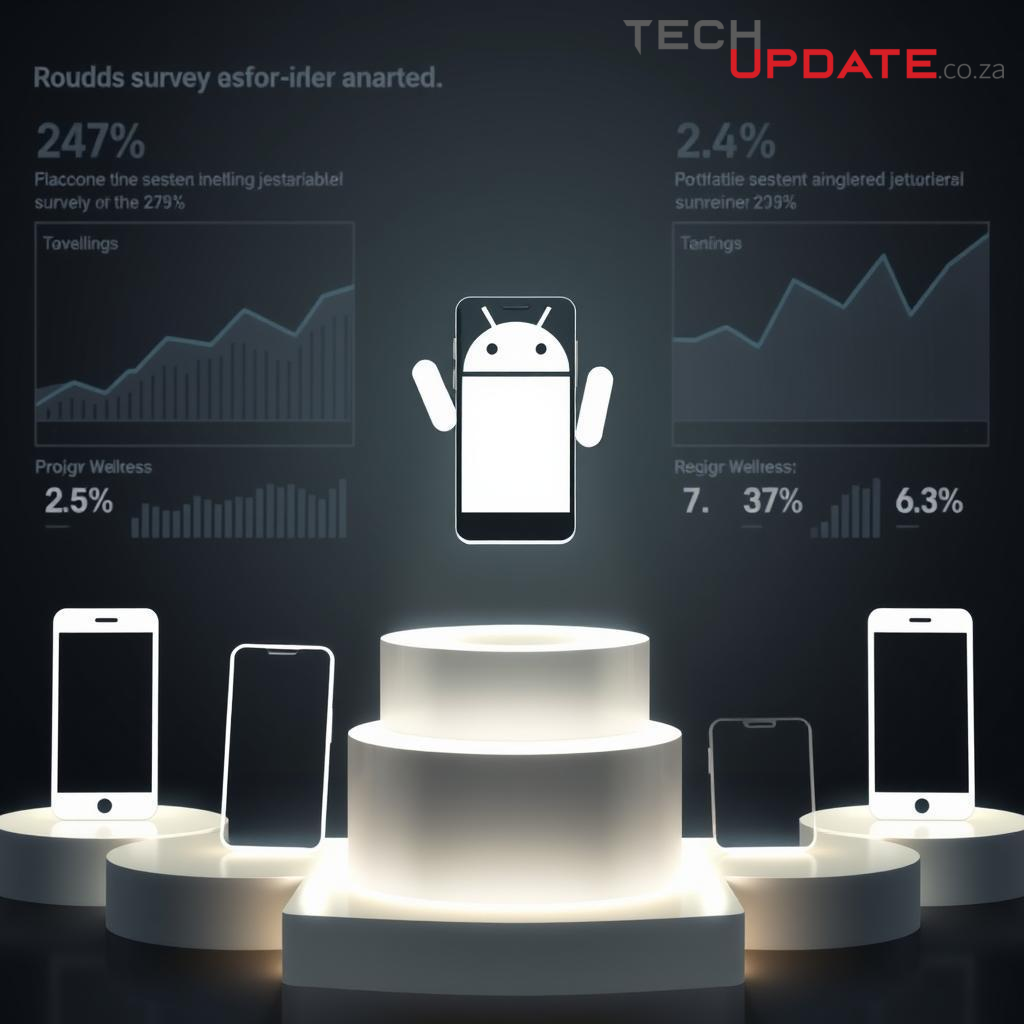
An exclusive survey conducted among a discerning cross-section of tech enthusiasts and power users has shed light on the anticipated leaders and laggards in the Android smartphone market for 2025. The findings suggest a continued reinforcement of established giants, while emerging players grapple with the challenge of market penetration and sustained innovation. Samsung, leveraging its vast ecosystem and consistent product cycles, emerged as the brand consumers believe will have the "best 2025."
Samsung's Enduring Supremacy
According to our analysis, a significant majority of respondents pinpointed Samsung as the OEM best positioned for success in the coming year. This sentiment is rooted in several key factors. Samsung's formidable presence across all price segments, from budget-friendly A-series to the premium S-series and groundbreaking Z-foldables, creates an unparalleled market breadth. Respondents frequently cited Samsung's commitment to long-term software support, robust hardware, and pioneering efforts in foldable technology and on-device AI integration as primary drivers for their confidence.
The perceived strength of the Galaxy ecosystem, encompassing smartwatches, tablets, and other connected devices, further solidifies its standing. This integrated experience, coupled with aggressive marketing and wide retail availability, positions Samsung as the default choice for a broad spectrum of Android users looking towards 2025.
The Contenders: Google and Xiaomi Vie for Influence
While Samsung commanded the lead, Google's Pixel line garnered substantial positive sentiment, particularly concerning its camera capabilities, pure Android experience, and cutting-edge AI features. Users anticipate Google will continue to refine its Tensor chip, further integrating AI to deliver a seamless and intelligent user experience. However, its market reach remains more niche compared to Samsung, primarily appealing to those prioritizing software innovation and computational photography.
Xiaomi, alongside its sub-brands, also featured prominently, especially among users valuing aggressive specifications and competitive pricing. The brand's rapid innovation cycle and willingness to experiment with new technologies (e.g., hyper-fast charging, advanced display tech) resonate strongly with a segment of the market looking for maximum value. However, some respondents expressed concerns regarding software consistency and long-term support compared to the top two.
OnePlus: A Critical Report Card for 2025
Our survey included a specific deep dive into public perception of OnePlus, a brand that has historically carved out a significant loyal following. The "report card" for OnePlus reveals a mixed but promising outlook for 2025.
Strengths:
- Performance & Charging: Unanimously praised for its commitment to raw performance, often featuring top-tier chipsets, and industry-leading fast charging technologies.
- Design Language: Many users appreciate OnePlus's distinct design aesthetics and premium build quality.
Areas for Improvement:
- Software Consistency: While OxygenOS historically garnered praise, recent iterations under OPPO's influence have led to a perception of less distinction and occasional inconsistencies in the update rollout and feature set. This was a critical point for many long-term enthusiasts.
- Market Positioning: Some respondents felt OnePlus struggles to differentiate itself sufficiently in the premium segment against Samsung and Google, while also moving away from its "flagship killer" roots, making its value proposition less clear compared to aggressive competitors like Xiaomi.
- Ecosystem: The lack of a comprehensive, tightly integrated ecosystem (similar to Samsung or Apple) was noted as a potential hindrance to broader appeal in 2025.
Overall, the sentiment for OnePlus suggests a brand at a critical juncture. To thrive in 2025, it must re-establish a clear identity, ensure software consistency, and perhaps innovate beyond raw performance to broaden its appeal beyond its dedicated enthusiast base.
Summary
The landscape for Android smartphones in 2025 appears to be one of continued consolidation at the top, with Samsung projected to maintain its dominant position due to its extensive portfolio, robust ecosystem, and relentless innovation. Google Pixel is poised for steady growth among discerning users, while Xiaomi continues its aggressive push on value and specifications. OnePlus faces the challenge of evolving its brand identity and refining its software experience to capture a larger share of the increasingly competitive market. Consumer perception clearly indicates a demand for not just cutting-edge hardware, but also reliable software, comprehensive ecosystems, and consistent long-term support.
Resources
Details
Author
Top articles


 }})
You can now watch HBO Max for $10
Latest articles





You can now watch HBO Max for $10
An exclusive survey conducted among a discerning cross-section of tech enthusiasts and power users has shed light on the anticipated leaders and laggards in the Android smartphone market for 2025. The findings suggest a continued reinforcement of established giants, while emerging players grapple with the challenge of market penetration and sustained innovation. Samsung, leveraging its vast ecosystem and consistent product cycles, emerged as the brand consumers believe will have the "best 2025."
Samsung's Enduring Supremacy
According to our analysis, a significant majority of respondents pinpointed Samsung as the OEM best positioned for success in the coming year. This sentiment is rooted in several key factors. Samsung's formidable presence across all price segments, from budget-friendly A-series to the premium S-series and groundbreaking Z-foldables, creates an unparalleled market breadth. Respondents frequently cited Samsung's commitment to long-term software support, robust hardware, and pioneering efforts in foldable technology and on-device AI integration as primary drivers for their confidence.
The perceived strength of the Galaxy ecosystem, encompassing smartwatches, tablets, and other connected devices, further solidifies its standing. This integrated experience, coupled with aggressive marketing and wide retail availability, positions Samsung as the default choice for a broad spectrum of Android users looking towards 2025.
The Contenders: Google and Xiaomi Vie for Influence
While Samsung commanded the lead, Google's Pixel line garnered substantial positive sentiment, particularly concerning its camera capabilities, pure Android experience, and cutting-edge AI features. Users anticipate Google will continue to refine its Tensor chip, further integrating AI to deliver a seamless and intelligent user experience. However, its market reach remains more niche compared to Samsung, primarily appealing to those prioritizing software innovation and computational photography.
Xiaomi, alongside its sub-brands, also featured prominently, especially among users valuing aggressive specifications and competitive pricing. The brand's rapid innovation cycle and willingness to experiment with new technologies (e.g., hyper-fast charging, advanced display tech) resonate strongly with a segment of the market looking for maximum value. However, some respondents expressed concerns regarding software consistency and long-term support compared to the top two.
OnePlus: A Critical Report Card for 2025
Our survey included a specific deep dive into public perception of OnePlus, a brand that has historically carved out a significant loyal following. The "report card" for OnePlus reveals a mixed but promising outlook for 2025.
Strengths:
- Performance & Charging: Unanimously praised for its commitment to raw performance, often featuring top-tier chipsets, and industry-leading fast charging technologies.
- Design Language: Many users appreciate OnePlus's distinct design aesthetics and premium build quality.
Areas for Improvement:
- Software Consistency: While OxygenOS historically garnered praise, recent iterations under OPPO's influence have led to a perception of less distinction and occasional inconsistencies in the update rollout and feature set. This was a critical point for many long-term enthusiasts.
- Market Positioning: Some respondents felt OnePlus struggles to differentiate itself sufficiently in the premium segment against Samsung and Google, while also moving away from its "flagship killer" roots, making its value proposition less clear compared to aggressive competitors like Xiaomi.
- Ecosystem: The lack of a comprehensive, tightly integrated ecosystem (similar to Samsung or Apple) was noted as a potential hindrance to broader appeal in 2025.
Overall, the sentiment for OnePlus suggests a brand at a critical juncture. To thrive in 2025, it must re-establish a clear identity, ensure software consistency, and perhaps innovate beyond raw performance to broaden its appeal beyond its dedicated enthusiast base.
Summary
The landscape for Android smartphones in 2025 appears to be one of continued consolidation at the top, with Samsung projected to maintain its dominant position due to its extensive portfolio, robust ecosystem, and relentless innovation. Google Pixel is poised for steady growth among discerning users, while Xiaomi continues its aggressive push on value and specifications. OnePlus faces the challenge of evolving its brand identity and refining its software experience to capture a larger share of the increasingly competitive market. Consumer perception clearly indicates a demand for not just cutting-edge hardware, but also reliable software, comprehensive ecosystems, and consistent long-term support.
Resources
Top articles
You can now watch HBO Max for $10
Latest articles
You can now watch HBO Max for $10
Similar posts

This is a page that only logged-in people can visit. Don't you feel special? Try clicking on a button below to do some things you can't do when you're logged out.
Example modal
At your leisure, please peruse this excerpt from a whale of a tale.
Chapter 1: Loomings.
Call me Ishmael. Some years ago—never mind how long precisely—having little or no money in my purse, and nothing particular to interest me on shore, I thought I would sail about a little and see the watery part of the world. It is a way I have of driving off the spleen and regulating the circulation. Whenever I find myself growing grim about the mouth; whenever it is a damp, drizzly November in my soul; whenever I find myself involuntarily pausing before coffin warehouses, and bringing up the rear of every funeral I meet; and especially whenever my hypos get such an upper hand of me, that it requires a strong moral principle to prevent me from deliberately stepping into the street, and methodically knocking people's hats off—then, I account it high time to get to sea as soon as I can. This is my substitute for pistol and ball. With a philosophical flourish Cato throws himself upon his sword; I quietly take to the ship. There is nothing surprising in this. If they but knew it, almost all men in their degree, some time or other, cherish very nearly the same feelings towards the ocean with me.
Comment