Microsoft Addresses Concerns Over LG Monitors Bundling McAfee Via Windows Update
Unsolicited Software: The LG-McAfee Conundrum
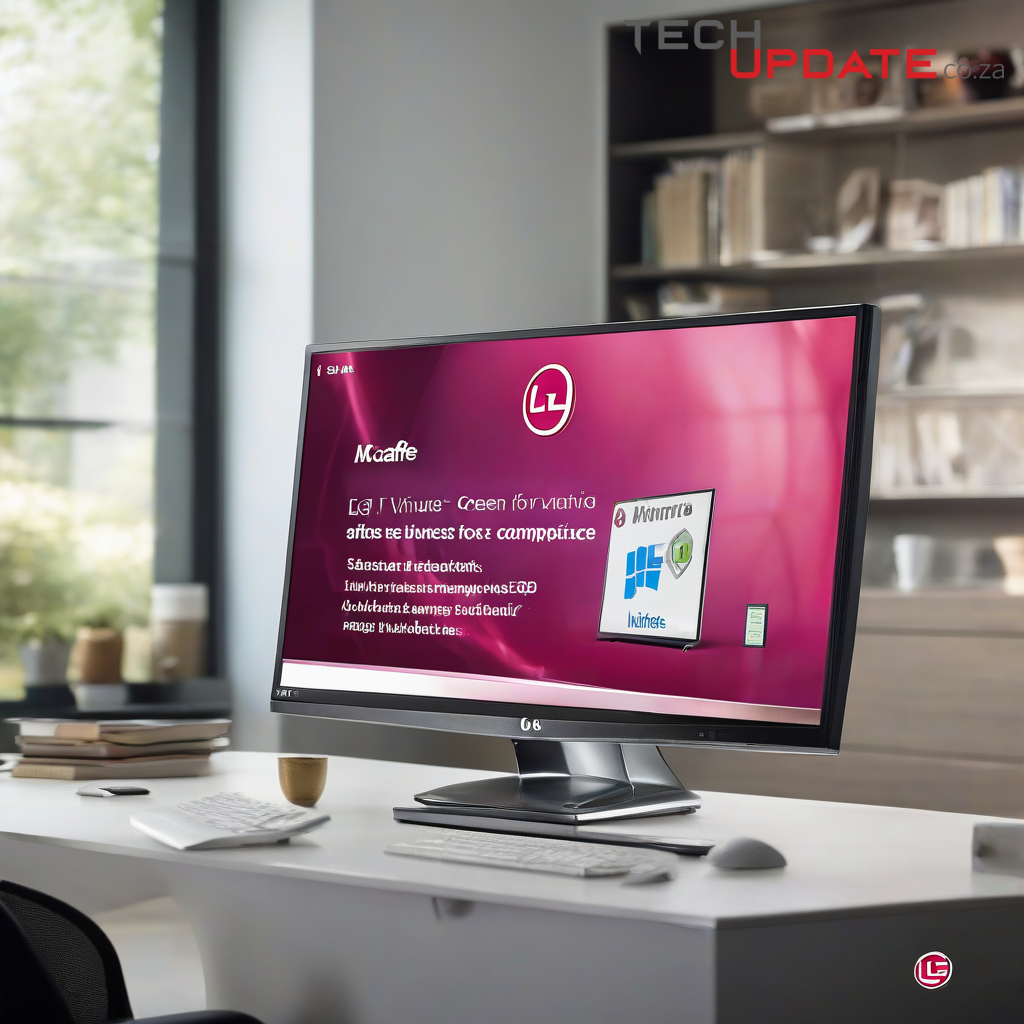
Reports have surfaced detailing an unusual software installation phenomenon impacting PC users connecting certain LG brand monitors. The core of the issue lies in the unsolicited bundling and deployment of McAfee antivirus software, which appears on users' systems not through conventional means, but via Windows Update mechanisms triggered by the connection of specific LG display models.
This situation has prompted considerable user frustration and security concerns, leading to a closer examination by industry observers and, notably, a response from Microsoft regarding the integrity of its update ecosystem and hardware partner practices.
The Mechanism of Installation
Investigations into user complaints reveal a pattern where the McAfee application, often perceived as bloatware due to its intrusive advertisements and unsolicited appearance, is installed seemingly automatically. This process initiates when a compatible LG monitor is connected to a Windows PC. Rather than a direct installation from the monitor’s firmware, the software appears to be delivered through a driver or utility package distributed via Windows Update. This method bypasses explicit user consent, leading to a perception of forced installation.
Such installations, while often tied to a legitimate driver or complementary utility for the hardware, raise significant questions about transparency and user control over their operating environments. The integration of third-party promotional software within critical system update channels like Windows Update poses a challenge to Microsoft's efforts in maintaining a clean and secure user experience.
Microsoft's Stance and Response
In response to the escalating user reports and community discussions, Microsoft has acknowledged the issue. While specific official statements often navigate the delicate balance of vendor partnerships, the underlying message from Redmond consistently emphasizes user choice and the importance of clear disclosure for all software installations. Microsoft typically advises users experiencing unsolicited software to utilize built-in Windows tools for removal and to exercise vigilance when installing new hardware or software.
Historically, Microsoft has worked with hardware manufacturers to refine their bundling practices, aiming for greater transparency. The company's framework for Windows Update is designed to deliver essential drivers and security patches, not third-party promotional software without clear user interaction. This incident highlights a potential loophole or an oversight in the vetting process for partner-supplied packages disseminated through their update service, prompting an internal review and dialogue with LG.
Implications for Users and the Industry
For end-users, the primary implication is the unexpected burden of managing and removing unwanted software, which can consume system resources, display incessant notifications, and potentially conflict with existing security solutions. It also erodes trust in automated update processes.
For the technology industry, this event serves as a reminder of the need for stricter guidelines and ethical considerations in software bundling. While partnerships and revenue streams from pre-installed software are common, the method of deployment and the level of user consent are critical factors in maintaining consumer confidence and adhering to best practices in digital ethics.
Summary
The situation involving LG monitors and the unsolicited installation of McAfee software through Windows Update represents a significant point of contention for users and a challenge for Microsoft's oversight of its update ecosystem. While Microsoft works to address these concerns with its hardware partners, the incident underscores the ongoing need for greater transparency and explicit user consent in software installations, particularly when leveraging critical system services like Windows Update. Users are advised to review installed programs regularly and remove any unwanted applications.
Resources
Details
Author
Top articles



 }})
You can now watch HBO Max for $10
Latest articles

You can now watch HBO Max for $10
Unsolicited Software: The LG-McAfee Conundrum
Reports have surfaced detailing an unusual software installation phenomenon impacting PC users connecting certain LG brand monitors. The core of the issue lies in the unsolicited bundling and deployment of McAfee antivirus software, which appears on users' systems not through conventional means, but via Windows Update mechanisms triggered by the connection of specific LG display models.
This situation has prompted considerable user frustration and security concerns, leading to a closer examination by industry observers and, notably, a response from Microsoft regarding the integrity of its update ecosystem and hardware partner practices.
The Mechanism of Installation
Investigations into user complaints reveal a pattern where the McAfee application, often perceived as bloatware due to its intrusive advertisements and unsolicited appearance, is installed seemingly automatically. This process initiates when a compatible LG monitor is connected to a Windows PC. Rather than a direct installation from the monitor’s firmware, the software appears to be delivered through a driver or utility package distributed via Windows Update. This method bypasses explicit user consent, leading to a perception of forced installation.
Such installations, while often tied to a legitimate driver or complementary utility for the hardware, raise significant questions about transparency and user control over their operating environments. The integration of third-party promotional software within critical system update channels like Windows Update poses a challenge to Microsoft's efforts in maintaining a clean and secure user experience.
Microsoft's Stance and Response
In response to the escalating user reports and community discussions, Microsoft has acknowledged the issue. While specific official statements often navigate the delicate balance of vendor partnerships, the underlying message from Redmond consistently emphasizes user choice and the importance of clear disclosure for all software installations. Microsoft typically advises users experiencing unsolicited software to utilize built-in Windows tools for removal and to exercise vigilance when installing new hardware or software.
Historically, Microsoft has worked with hardware manufacturers to refine their bundling practices, aiming for greater transparency. The company's framework for Windows Update is designed to deliver essential drivers and security patches, not third-party promotional software without clear user interaction. This incident highlights a potential loophole or an oversight in the vetting process for partner-supplied packages disseminated through their update service, prompting an internal review and dialogue with LG.
Implications for Users and the Industry
For end-users, the primary implication is the unexpected burden of managing and removing unwanted software, which can consume system resources, display incessant notifications, and potentially conflict with existing security solutions. It also erodes trust in automated update processes.
For the technology industry, this event serves as a reminder of the need for stricter guidelines and ethical considerations in software bundling. While partnerships and revenue streams from pre-installed software are common, the method of deployment and the level of user consent are critical factors in maintaining consumer confidence and adhering to best practices in digital ethics.
Summary
The situation involving LG monitors and the unsolicited installation of McAfee software through Windows Update represents a significant point of contention for users and a challenge for Microsoft's oversight of its update ecosystem. While Microsoft works to address these concerns with its hardware partners, the incident underscores the ongoing need for greater transparency and explicit user consent in software installations, particularly when leveraging critical system services like Windows Update. Users are advised to review installed programs regularly and remove any unwanted applications.
Resources
Top articles
You can now watch HBO Max for $10
Latest articles
You can now watch HBO Max for $10
Similar posts
This is a page that only logged-in people can visit. Don't you feel special? Try clicking on a button below to do some things you can't do when you're logged out.
Example modal
At your leisure, please peruse this excerpt from a whale of a tale.
Chapter 1: Loomings.
Call me Ishmael. Some years ago—never mind how long precisely—having little or no money in my purse, and nothing particular to interest me on shore, I thought I would sail about a little and see the watery part of the world. It is a way I have of driving off the spleen and regulating the circulation. Whenever I find myself growing grim about the mouth; whenever it is a damp, drizzly November in my soul; whenever I find myself involuntarily pausing before coffin warehouses, and bringing up the rear of every funeral I meet; and especially whenever my hypos get such an upper hand of me, that it requires a strong moral principle to prevent me from deliberately stepping into the street, and methodically knocking people's hats off—then, I account it high time to get to sea as soon as I can. This is my substitute for pistol and ball. With a philosophical flourish Cato throws himself upon his sword; I quietly take to the ship. There is nothing surprising in this. If they but knew it, almost all men in their degree, some time or other, cherish very nearly the same feelings towards the ocean with me.
Comment