GM Revitalizes OnStar with Groundbreaking AI Integration: A 30-Year Evolution
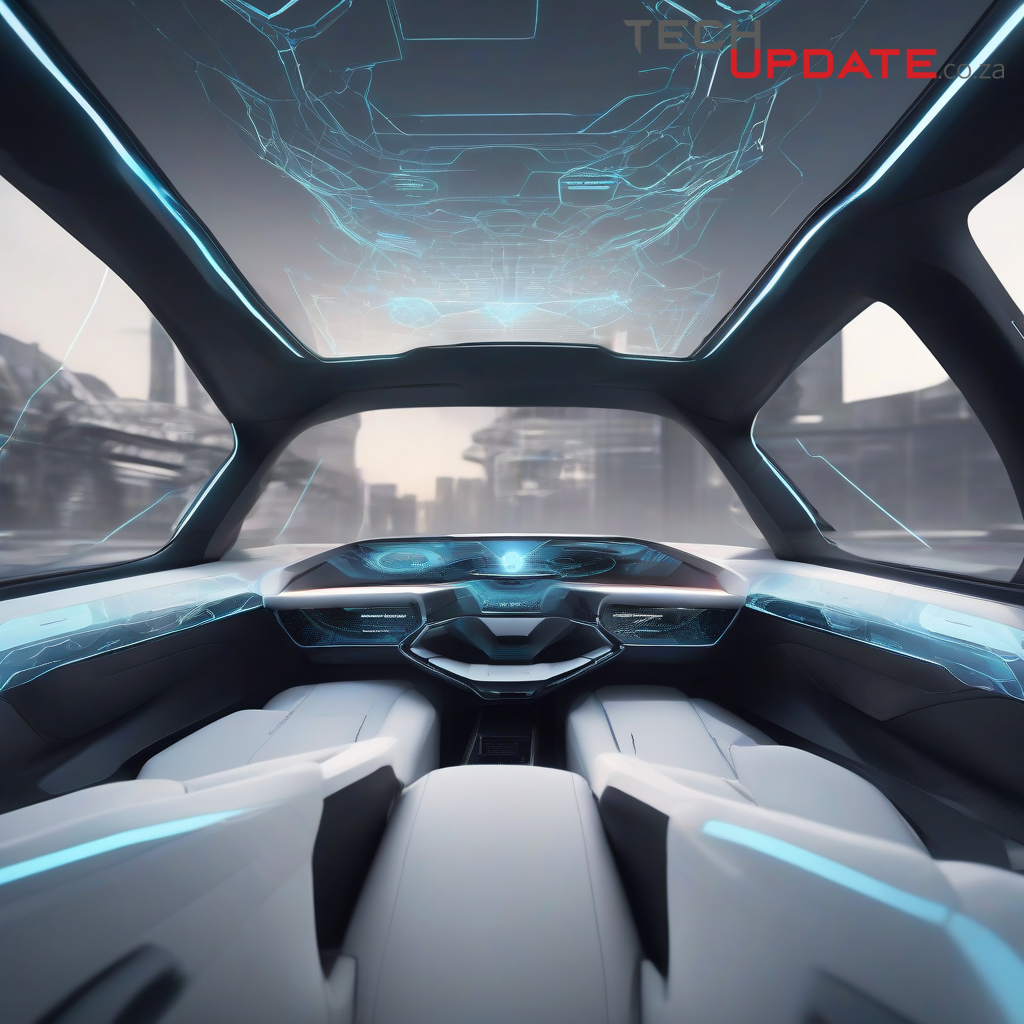
OnStar Embraces Generative AI in Landmark Overhaul
General Motors is ushering in a new era for its venerable OnStar service, announcing what it describes as one of the most substantial overhauls in the 30-year history of the connected car product. This transformative initiative sees OnStar integrating generative artificial intelligence, promising a vastly enhanced in-vehicle experience that extends far beyond its traditional safety and navigation offerings.
For decades, OnStar has been synonymous with emergency assistance and convenience features, a steadfast companion for millions of drivers. However, the automotive landscape has evolved dramatically, driven by rapid advancements in digital technology and consumer expectations. GM's strategic move to embed advanced AI capabilities directly into OnStar is a clear indicator of its commitment to remaining at the forefront of connected vehicle innovation.
Enhanced Capabilities Through Intelligent Interaction
The core of this makeover lies in the ability of OnStar to understand and respond to natural language commands with unprecedented sophistication. Drivers and passengers will experience a more intuitive and personalized interaction, moving beyond rigid voice prompts to a conversational interface. This AI will learn user preferences, anticipate needs, and provide proactive assistance, transforming the vehicle cabin into an intelligent, responsive environment.
Potential enhancements include:
- Proactive Safety: Beyond automatic crash response, the system could leverage AI to analyze driving patterns and environmental factors, offering timely alerts or suggestions to mitigate risks.
- Personalized Infotainment: AI could curate music, podcasts, and news based on individual tastes and trip context, making long journeys more engaging.
- Seamless Navigation: Advanced routing that considers real-time traffic, weather, and personal preferences, perhaps even suggesting stops for charging or fuel based on AI-driven predictions.
- Vehicle Diagnostics: More granular and understandable insights into vehicle health, potentially diagnosing issues before they become critical and scheduling service appointments autonomously.
Strategic Implications for General Motors
This massive investment in OnStar's AI capabilities positions GM to strengthen its competitive edge in the rapidly expanding market for connected and autonomous vehicles. By leveraging proprietary data and advanced machine learning models, GM aims to create a distinctive user experience that differentiates its brands.
The overhaul also signifies GM's broader strategy to generate recurring revenue streams through services and subscriptions. A more intelligent and valuable OnStar service can drive higher subscription rates and unlock new opportunities for partnerships and data-driven services.
Summary
GM's integration of generative AI into OnStar represents a pivotal moment for the 30-year-old service, marking its most ambitious evolution to date. This strategic pivot moves OnStar beyond a reactive assistance system to a proactive, intelligent in-vehicle companion capable of understanding and anticipating user needs through natural language. The enhancements promise a more personalized, safer, and convenient driving experience, reinforcing GM's commitment to innovation and solidifying its position in the connected car ecosystem. This transformation is not merely an update; it is a redefinition of what a connected vehicle service can be, setting a new benchmark for the automotive industry.
Resources
Details
Author
Top articles




 }})
You can now watch HBO Max for $10
Latest articles




You can now watch HBO Max for $10
OnStar Embraces Generative AI in Landmark Overhaul
General Motors is ushering in a new era for its venerable OnStar service, announcing what it describes as one of the most substantial overhauls in the 30-year history of the connected car product. This transformative initiative sees OnStar integrating generative artificial intelligence, promising a vastly enhanced in-vehicle experience that extends far beyond its traditional safety and navigation offerings.
For decades, OnStar has been synonymous with emergency assistance and convenience features, a steadfast companion for millions of drivers. However, the automotive landscape has evolved dramatically, driven by rapid advancements in digital technology and consumer expectations. GM's strategic move to embed advanced AI capabilities directly into OnStar is a clear indicator of its commitment to remaining at the forefront of connected vehicle innovation.
Enhanced Capabilities Through Intelligent Interaction
The core of this makeover lies in the ability of OnStar to understand and respond to natural language commands with unprecedented sophistication. Drivers and passengers will experience a more intuitive and personalized interaction, moving beyond rigid voice prompts to a conversational interface. This AI will learn user preferences, anticipate needs, and provide proactive assistance, transforming the vehicle cabin into an intelligent, responsive environment.
Potential enhancements include:
- Proactive Safety: Beyond automatic crash response, the system could leverage AI to analyze driving patterns and environmental factors, offering timely alerts or suggestions to mitigate risks.
- Personalized Infotainment: AI could curate music, podcasts, and news based on individual tastes and trip context, making long journeys more engaging.
- Seamless Navigation: Advanced routing that considers real-time traffic, weather, and personal preferences, perhaps even suggesting stops for charging or fuel based on AI-driven predictions.
- Vehicle Diagnostics: More granular and understandable insights into vehicle health, potentially diagnosing issues before they become critical and scheduling service appointments autonomously.
Strategic Implications for General Motors
This massive investment in OnStar's AI capabilities positions GM to strengthen its competitive edge in the rapidly expanding market for connected and autonomous vehicles. By leveraging proprietary data and advanced machine learning models, GM aims to create a distinctive user experience that differentiates its brands.
The overhaul also signifies GM's broader strategy to generate recurring revenue streams through services and subscriptions. A more intelligent and valuable OnStar service can drive higher subscription rates and unlock new opportunities for partnerships and data-driven services.
Summary
GM's integration of generative AI into OnStar represents a pivotal moment for the 30-year-old service, marking its most ambitious evolution to date. This strategic pivot moves OnStar beyond a reactive assistance system to a proactive, intelligent in-vehicle companion capable of understanding and anticipating user needs through natural language. The enhancements promise a more personalized, safer, and convenient driving experience, reinforcing GM's commitment to innovation and solidifying its position in the connected car ecosystem. This transformation is not merely an update; it is a redefinition of what a connected vehicle service can be, setting a new benchmark for the automotive industry.
Resources
Top articles
You can now watch HBO Max for $10
Latest articles
You can now watch HBO Max for $10
Similar posts




This is a page that only logged-in people can visit. Don't you feel special? Try clicking on a button below to do some things you can't do when you're logged out.
Example modal
At your leisure, please peruse this excerpt from a whale of a tale.
Chapter 1: Loomings.
Call me Ishmael. Some years ago—never mind how long precisely—having little or no money in my purse, and nothing particular to interest me on shore, I thought I would sail about a little and see the watery part of the world. It is a way I have of driving off the spleen and regulating the circulation. Whenever I find myself growing grim about the mouth; whenever it is a damp, drizzly November in my soul; whenever I find myself involuntarily pausing before coffin warehouses, and bringing up the rear of every funeral I meet; and especially whenever my hypos get such an upper hand of me, that it requires a strong moral principle to prevent me from deliberately stepping into the street, and methodically knocking people's hats off—then, I account it high time to get to sea as soon as I can. This is my substitute for pistol and ball. With a philosophical flourish Cato throws himself upon his sword; I quietly take to the ship. There is nothing surprising in this. If they but knew it, almost all men in their degree, some time or other, cherish very nearly the same feelings towards the ocean with me.
Comment