Frederik Wester Steps Down: A Look Back at Paradox Interactive's Turbulent Era Under His Leadership
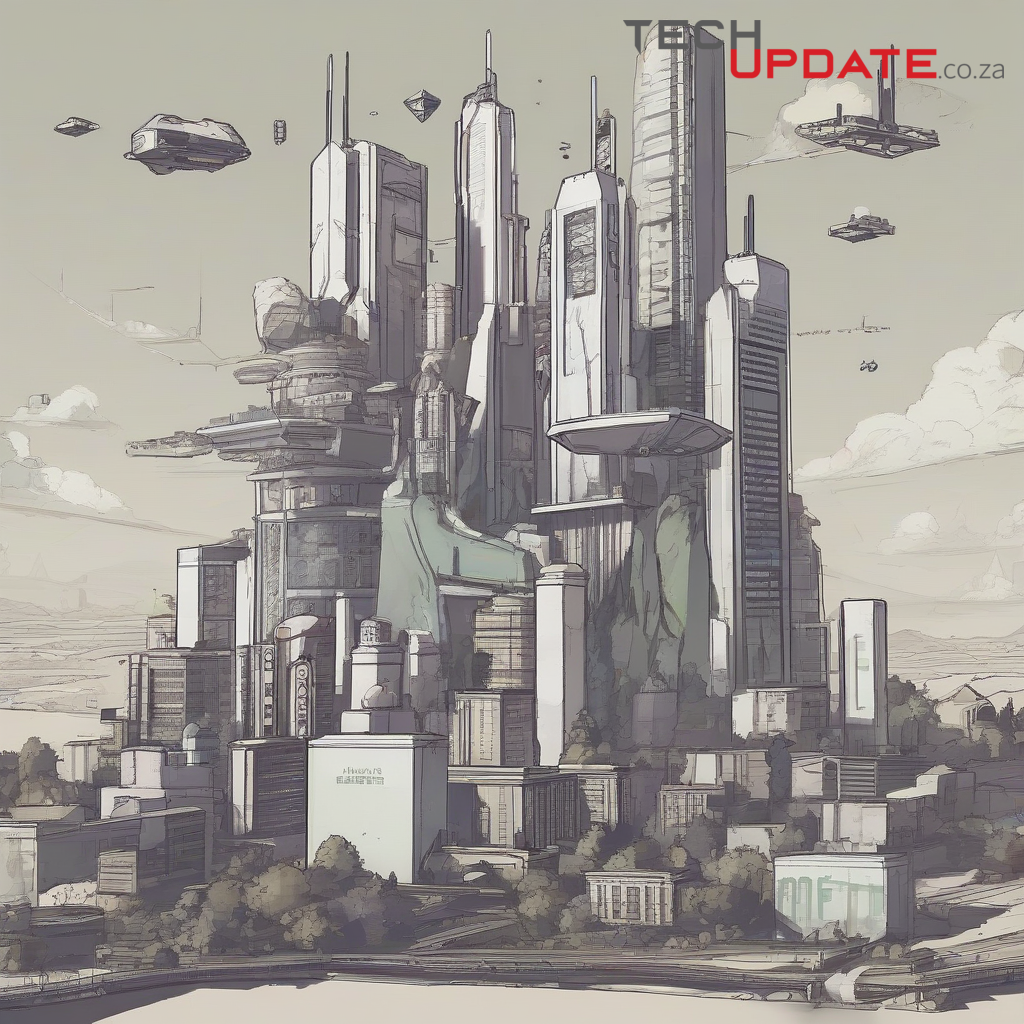
A Strategic Shift at Paradox Interactive: Wester's Departure Signals New Era
Stockholm, Sweden – Frederik Wester, a pivotal figure in the evolution of Paradox Interactive, has announced his decision to step down from his role as Chief Executive Officer, concluding a combined tenure of over fifteen years at the helm. The news marks a significant inflection point for the Swedish publisher renowned for its deep grand strategy titles such as Stellaris, Europa Universalis, and Crusader Kings. Wester's departure follows a period characterized by both remarkable successes and considerable turbulence for the company.
The Legacy and the Challenges
Wester's leadership has been instrumental in shaping Paradox Interactive from a niche publisher into a prominent force in the global gaming landscape. Under his guidance, the company cultivated a loyal fanbase for its complex, replayable strategy games and expanded its portfolio significantly. However, recent years have presented a series of formidable challenges that have tested the publisher's resilience and its relationship with its dedicated community.
One of the most recent and public setbacks was the highly anticipated launch of Cities: Skylines 2. Despite immense anticipation, the game was released with significant technical performance issues, numerous bugs, and a perceived lack of content compared to its predecessor. This led to widespread criticism from players and reviewers alike, prompting public apologies from Paradox and developer Colossal Order, underscoring the complexities of modern game development and quality assurance.
Prior to this, Paradox Interactive navigated a sensitive period in 2021 when an internal employee survey brought to light serious concerns regarding workplace culture, including allegations of mistreatment and gender discrimination. This controversy led to a period of introspection, internal investigations, and ultimately, the resignation of then-CEO Ebba Ljungerud, paving the way for Wester's return to the CEO position. His second stint was largely focused on stabilizing the company and addressing these deep-seated cultural issues, alongside steering development on key titles.
A Future in Flux
While Wester will transition to an Executive Chairman role, allowing him to maintain strategic oversight, his stepping down as CEO signifies a clear intent to usher in new operational leadership. The move comes as Paradox continues to grapple with the evolving expectations of its player base and the competitive pressures of the gaming industry. The next CEO will inherit a company with a strong foundation in its core strategy genres but also one facing the imperative to deliver consistent quality and rebuild trust where it has faltered.
The emphasis for Paradox will undoubtedly be on refining its development processes, enhancing quality control, and fostering a more transparent dialogue with its community, particularly in the wake of high-profile launches that have not met expectations. Wester's strategic vision has undeniably left an indelible mark on Paradox, and his shift in role suggests a desire to ensure long-term stability while allowing for fresh perspectives to tackle immediate operational challenges.
Summary
Frederik Wester's long and impactful tenure as CEO of Paradox Interactive is concluding, marking a significant transition for the strategy game publisher. His leadership saw the company grow exponentially, yet also navigated turbulent waters, including public criticism over game launches like Cities: Skylines 2 and significant internal workplace culture issues. As Wester moves to an Executive Chairman role, Paradox faces the task of upholding its legacy of innovative strategy games while addressing recent challenges and charting a clear course for future growth and community engagement under new operational leadership.
Resources
Details
Author
Top articles





 }})
You can now watch HBO Max for $10
Latest articles



You can now watch HBO Max for $10
A Strategic Shift at Paradox Interactive: Wester's Departure Signals New Era
Stockholm, Sweden – Frederik Wester, a pivotal figure in the evolution of Paradox Interactive, has announced his decision to step down from his role as Chief Executive Officer, concluding a combined tenure of over fifteen years at the helm. The news marks a significant inflection point for the Swedish publisher renowned for its deep grand strategy titles such as Stellaris, Europa Universalis, and Crusader Kings. Wester's departure follows a period characterized by both remarkable successes and considerable turbulence for the company.
The Legacy and the Challenges
Wester's leadership has been instrumental in shaping Paradox Interactive from a niche publisher into a prominent force in the global gaming landscape. Under his guidance, the company cultivated a loyal fanbase for its complex, replayable strategy games and expanded its portfolio significantly. However, recent years have presented a series of formidable challenges that have tested the publisher's resilience and its relationship with its dedicated community.
One of the most recent and public setbacks was the highly anticipated launch of Cities: Skylines 2. Despite immense anticipation, the game was released with significant technical performance issues, numerous bugs, and a perceived lack of content compared to its predecessor. This led to widespread criticism from players and reviewers alike, prompting public apologies from Paradox and developer Colossal Order, underscoring the complexities of modern game development and quality assurance.
Prior to this, Paradox Interactive navigated a sensitive period in 2021 when an internal employee survey brought to light serious concerns regarding workplace culture, including allegations of mistreatment and gender discrimination. This controversy led to a period of introspection, internal investigations, and ultimately, the resignation of then-CEO Ebba Ljungerud, paving the way for Wester's return to the CEO position. His second stint was largely focused on stabilizing the company and addressing these deep-seated cultural issues, alongside steering development on key titles.
A Future in Flux
While Wester will transition to an Executive Chairman role, allowing him to maintain strategic oversight, his stepping down as CEO signifies a clear intent to usher in new operational leadership. The move comes as Paradox continues to grapple with the evolving expectations of its player base and the competitive pressures of the gaming industry. The next CEO will inherit a company with a strong foundation in its core strategy genres but also one facing the imperative to deliver consistent quality and rebuild trust where it has faltered.
The emphasis for Paradox will undoubtedly be on refining its development processes, enhancing quality control, and fostering a more transparent dialogue with its community, particularly in the wake of high-profile launches that have not met expectations. Wester's strategic vision has undeniably left an indelible mark on Paradox, and his shift in role suggests a desire to ensure long-term stability while allowing for fresh perspectives to tackle immediate operational challenges.
Summary
Frederik Wester's long and impactful tenure as CEO of Paradox Interactive is concluding, marking a significant transition for the strategy game publisher. His leadership saw the company grow exponentially, yet also navigated turbulent waters, including public criticism over game launches like Cities: Skylines 2 and significant internal workplace culture issues. As Wester moves to an Executive Chairman role, Paradox faces the task of upholding its legacy of innovative strategy games while addressing recent challenges and charting a clear course for future growth and community engagement under new operational leadership.
Resources
Top articles
You can now watch HBO Max for $10
Latest articles
You can now watch HBO Max for $10
Similar posts


This is a page that only logged-in people can visit. Don't you feel special? Try clicking on a button below to do some things you can't do when you're logged out.
Example modal
At your leisure, please peruse this excerpt from a whale of a tale.
Chapter 1: Loomings.
Call me Ishmael. Some years ago—never mind how long precisely—having little or no money in my purse, and nothing particular to interest me on shore, I thought I would sail about a little and see the watery part of the world. It is a way I have of driving off the spleen and regulating the circulation. Whenever I find myself growing grim about the mouth; whenever it is a damp, drizzly November in my soul; whenever I find myself involuntarily pausing before coffin warehouses, and bringing up the rear of every funeral I meet; and especially whenever my hypos get such an upper hand of me, that it requires a strong moral principle to prevent me from deliberately stepping into the street, and methodically knocking people's hats off—then, I account it high time to get to sea as soon as I can. This is my substitute for pistol and ball. With a philosophical flourish Cato throws himself upon his sword; I quietly take to the ship. There is nothing surprising in this. If they but knew it, almost all men in their degree, some time or other, cherish very nearly the same feelings towards the ocean with me.
Comment