SonicWall Rushes Patches for Critical CVSS 10.0 Pre-Authentication SSRF Flaw in SMA 1000 Appliances
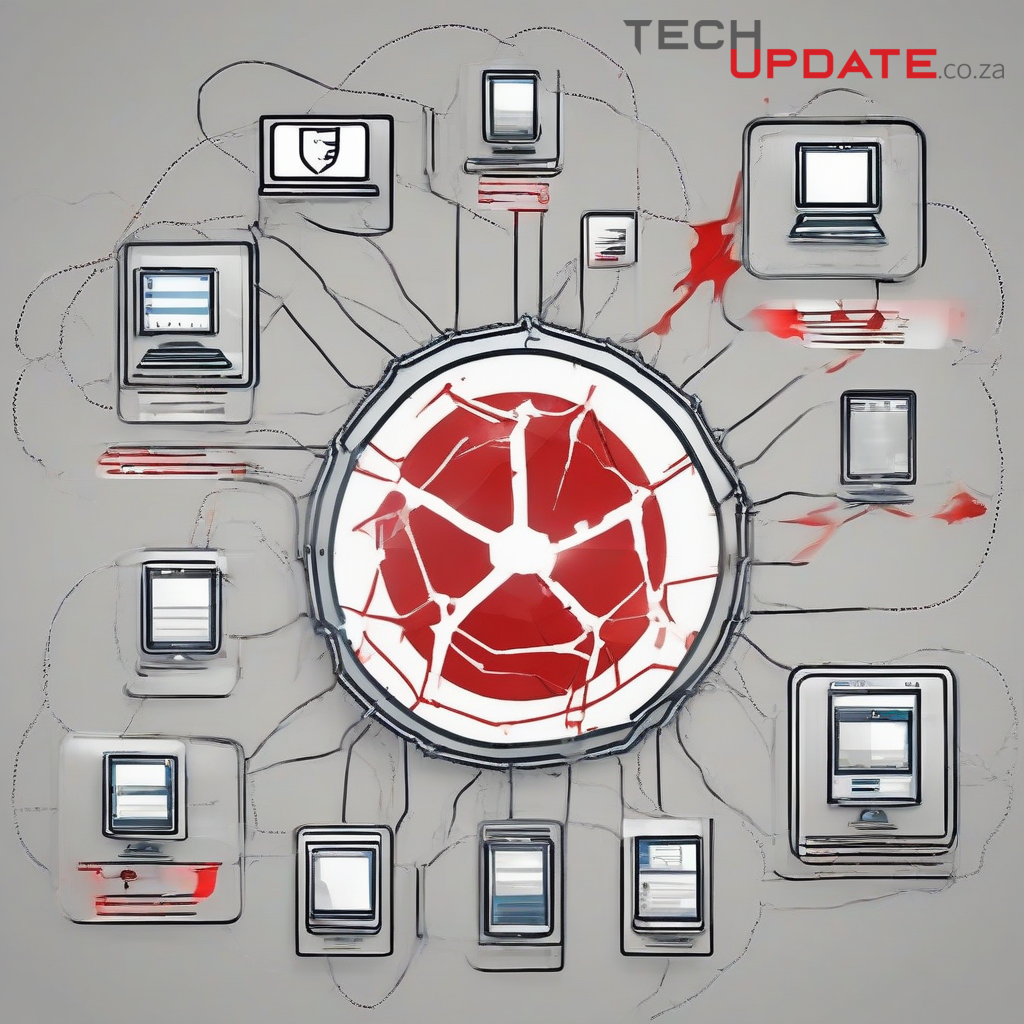
Investigating a Critical Flaw: SonicWall’s Urgent Response to CVE-2021-20038
In a rapid response to a severe security vulnerability, SonicWall has deployed critical hotfixes for its SMA 1000 series appliances. These gateways, instrumental in providing secure remote access to corporate networks and applications, were found to harbor a pre-authentication Server-Side Request Forgery (SSRF) flaw, identified as CVE-2021-20038. Rated with a maximum CVSS score of 10.0, this vulnerability presented an alarming prospect for organizations reliant on these devices.
Understanding the Severity: CVSS 10.0 and Pre-Authentication SSRF
A CVSS (Common Vulnerability Scoring System) rating of 10.0 signifies the highest possible severity, indicating that the flaw is easily exploitable and has a potentially devastating impact. The "pre-authentication" aspect means an attacker does not need any login credentials to initiate an attack, drastically lowering the barrier to exploitation. Coupled with this, the vulnerability is an SSRF, a type of attack where the server, in this case, the SMA 1000 appliance, is coerced into making requests to an arbitrary domain chosen by the attacker.
For SMA 1000 appliances, this particular SSRF flaw allowed an unauthorized attacker to send crafted requests through the device. This capability could enable the attacker to probe and potentially interact with internal network functions and resources that would otherwise be inaccessible from the external internet, effectively turning the gateway into a proxy for malicious activities within the private network.
SonicWall’s Swift Remediation and Advisory
Upon discovery, SonicWall promptly developed and released hotfixes to mitigate CVE-2021-20038 and three other related flaws affecting SMA 1000 series appliances. The affected products included specific firmware versions for SMA 200, 210, 300, 310, 400, 410, and 500v devices. The company’s security advisory urged all customers to apply the patches without delay to protect their remote access infrastructure.
Crucially, at the time of the hotfix release, SonicWall stated that it had no evidence of any of the four flaws being actively exploited in the wild. This provided a critical window for administrators to implement the necessary updates before potential attackers could leverage the vulnerability. However, the theoretical risk remained substantial, underscoring the urgency of the patching process.
Recommendations for Enterprise Security
- Immediate Patching: Organizations utilizing SonicWall SMA 1000 series appliances must ensure all hotfixes are applied without delay, following SonicWall’s official guidance.
- Network Segmentation: Reinforce network segmentation to limit the potential lateral movement an attacker could achieve if an internal system were compromised via an SSRF exploit.
- Continuous Monitoring: Implement robust network monitoring to detect unusual traffic patterns or unauthorized access attempts originating from or directed towards SMA devices.
- Regular Audits: Conduct periodic security audits and vulnerability assessments to identify and address potential weaknesses proactively.
Summary
The discovery and urgent patching of the CVSS 10.0 pre-authentication SSRF flaw in SonicWall’s SMA 1000 appliances served as a stark reminder of the persistent threats facing remote access infrastructure. While SonicWall’s rapid response and lack of evidence of in-the-wild exploitation were positive, the inherent severity of such a vulnerability necessitates immediate action and ongoing vigilance from all affected organizations to maintain a robust security posture.
Resources
Details
Author
Top articles




 }})
You can now watch HBO Max for $10
Latest articles


You can now watch HBO Max for $10
Investigating a Critical Flaw: SonicWall’s Urgent Response to CVE-2021-20038
In a rapid response to a severe security vulnerability, SonicWall has deployed critical hotfixes for its SMA 1000 series appliances. These gateways, instrumental in providing secure remote access to corporate networks and applications, were found to harbor a pre-authentication Server-Side Request Forgery (SSRF) flaw, identified as CVE-2021-20038. Rated with a maximum CVSS score of 10.0, this vulnerability presented an alarming prospect for organizations reliant on these devices.
Understanding the Severity: CVSS 10.0 and Pre-Authentication SSRF
A CVSS (Common Vulnerability Scoring System) rating of 10.0 signifies the highest possible severity, indicating that the flaw is easily exploitable and has a potentially devastating impact. The "pre-authentication" aspect means an attacker does not need any login credentials to initiate an attack, drastically lowering the barrier to exploitation. Coupled with this, the vulnerability is an SSRF, a type of attack where the server, in this case, the SMA 1000 appliance, is coerced into making requests to an arbitrary domain chosen by the attacker.
For SMA 1000 appliances, this particular SSRF flaw allowed an unauthorized attacker to send crafted requests through the device. This capability could enable the attacker to probe and potentially interact with internal network functions and resources that would otherwise be inaccessible from the external internet, effectively turning the gateway into a proxy for malicious activities within the private network.
SonicWall’s Swift Remediation and Advisory
Upon discovery, SonicWall promptly developed and released hotfixes to mitigate CVE-2021-20038 and three other related flaws affecting SMA 1000 series appliances. The affected products included specific firmware versions for SMA 200, 210, 300, 310, 400, 410, and 500v devices. The company’s security advisory urged all customers to apply the patches without delay to protect their remote access infrastructure.
Crucially, at the time of the hotfix release, SonicWall stated that it had no evidence of any of the four flaws being actively exploited in the wild. This provided a critical window for administrators to implement the necessary updates before potential attackers could leverage the vulnerability. However, the theoretical risk remained substantial, underscoring the urgency of the patching process.
Recommendations for Enterprise Security
- Immediate Patching: Organizations utilizing SonicWall SMA 1000 series appliances must ensure all hotfixes are applied without delay, following SonicWall’s official guidance.
- Network Segmentation: Reinforce network segmentation to limit the potential lateral movement an attacker could achieve if an internal system were compromised via an SSRF exploit.
- Continuous Monitoring: Implement robust network monitoring to detect unusual traffic patterns or unauthorized access attempts originating from or directed towards SMA devices.
- Regular Audits: Conduct periodic security audits and vulnerability assessments to identify and address potential weaknesses proactively.
Summary
The discovery and urgent patching of the CVSS 10.0 pre-authentication SSRF flaw in SonicWall’s SMA 1000 appliances served as a stark reminder of the persistent threats facing remote access infrastructure. While SonicWall’s rapid response and lack of evidence of in-the-wild exploitation were positive, the inherent severity of such a vulnerability necessitates immediate action and ongoing vigilance from all affected organizations to maintain a robust security posture.
Resources
Top articles
You can now watch HBO Max for $10
Latest articles
You can now watch HBO Max for $10
Similar posts




This is a page that only logged-in people can visit. Don't you feel special? Try clicking on a button below to do some things you can't do when you're logged out.
Example modal
At your leisure, please peruse this excerpt from a whale of a tale.
Chapter 1: Loomings.
Call me Ishmael. Some years ago—never mind how long precisely—having little or no money in my purse, and nothing particular to interest me on shore, I thought I would sail about a little and see the watery part of the world. It is a way I have of driving off the spleen and regulating the circulation. Whenever I find myself growing grim about the mouth; whenever it is a damp, drizzly November in my soul; whenever I find myself involuntarily pausing before coffin warehouses, and bringing up the rear of every funeral I meet; and especially whenever my hypos get such an upper hand of me, that it requires a strong moral principle to prevent me from deliberately stepping into the street, and methodically knocking people's hats off—then, I account it high time to get to sea as soon as I can. This is my substitute for pistol and ball. With a philosophical flourish Cato throws himself upon his sword; I quietly take to the ship. There is nothing surprising in this. If they but knew it, almost all men in their degree, some time or other, cherish very nearly the same feelings towards the ocean with me.
Comment