Nintendo Switch 2: Navigating the Looming Price Storm Amidst Memory Market Volatility
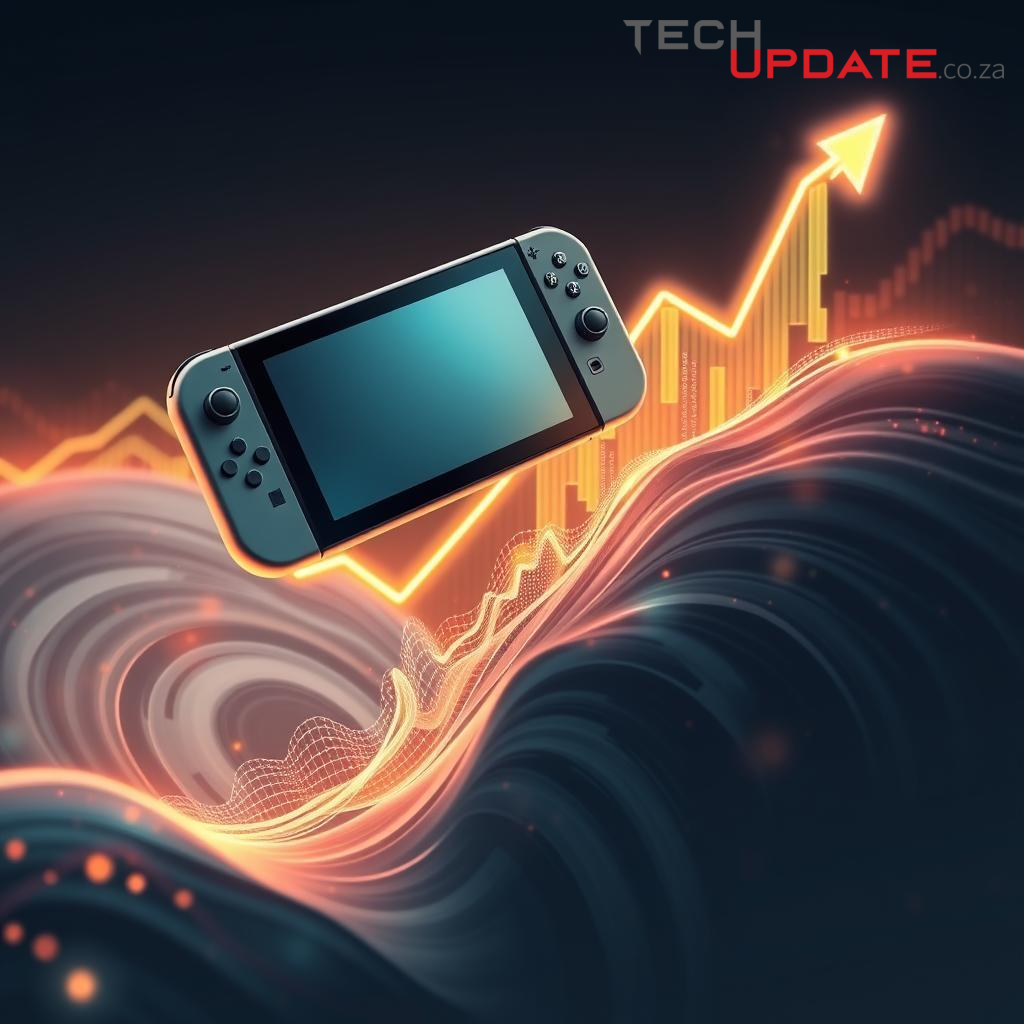
The gaming world, having just seen the hypothetical strong summer launch and subsequent slow Christmas for the Nintendo Switch 2, now braces for a significant economic challenge: the volatile global memory market. As 2025 approaches, the specter of price hikes, driven by the insatiable demands of artificial intelligence (AI) and expanding data centers, looms large. Can Nintendo’s latest console truly remain insulated from these powerful economic currents?
The AI Gold Rush and Its Ripple Effect on Memory
The explosive growth in AI development and the relentless expansion of data centers have triggered an unprecedented demand for high-performance memory components. While High Bandwidth Memory (HBM) is at the forefront of this surge, the ripple effect extends broadly across the entire memory ecosystem, significantly impacting prices for DRAM and NAND flash – crucial components for modern consumer electronics, including gaming consoles. This escalating demand has led major memory manufacturers to reprioritize their production capacities. Consequently, the supply for other memory types faces constraints, pushing prices upward. Industry analysts project these pressures to intensify throughout 2024 and well into 2025, creating a challenging procurement landscape.
Nintendo's Cautious Outlook: "No Immediate Impact"
In response to these market dynamics, Nintendo’s official stance, as articulated by President Shuntaro Furukawa, offers a degree of reassurance. Furukawa stated that the company sees "no immediate impact" on its financial results from the rising costs of semiconductors and memory. This suggests that Nintendo may have secured initial component supplies or has robust hedging strategies in place for its current production cycles, potentially including the initial batches of a new console like the Switch 2.
However, this reassurance comes with a critical caveat: Nintendo is "monitoring the situation carefully." This cautious tone underscores an awareness of future risks. While current manufacturing might be insulated, the long-term stability of component costs, particularly for a high-volume product, remains uncertain. The implication is clear: sustained market volatility could necessitate strategic adjustments down the line.
The Price Conundrum for Console Gaming
The gaming console industry typically operates on tight profit margins, making it particularly vulnerable to fluctuations in component costs. An increase in the price of essential memory components presents a stark dilemma for manufacturers like Nintendo. They must either absorb these higher costs, which directly erodes profitability, or pass them on to consumers through increased retail prices, potentially impacting sales volume and market adoption.
For the Nintendo Switch 2, even following a strong market introduction, sustained pressure from escalating memory costs post-2025 could compel a re-evaluation of its pricing strategy. This could translate to higher price points for subsequent production runs, making the console more expensive for consumers who choose to purchase it later in its lifecycle.
Summary and Conclusion
While Nintendo maintains a vigilant stance, indicating "no immediate impact" from current memory market shifts, the broader economic forces driven by AI's insatiable demand for memory components present a significant and growing headwind. The current stability, if indeed present for the Switch 2's initial market phase, may prove to be a temporary calm before a storm.
Ultimately, it is increasingly improbable for any major consumer electronics product, especially a highly anticipated console like the Nintendo Switch 2, to entirely escape the pervasive market trends of escalating memory costs in the coming years. Consumers should anticipate that these macro-economic pressures could lead to upward price adjustments, shaping the accessibility and affordability of next-generation gaming hardware.
Resources
- Reuters: Reporting on Nintendo's statements regarding chip costs and market monitoring.
- TrendForce: Market intelligence and analysis on global DRAM and NAND flash market trends.
- Nikkei Asia: Comprehensive coverage of technology supply chains and economic impacts in Asia.
Details
Author
Top articles




 }})
You can now watch HBO Max for $10
Latest articles




You can now watch HBO Max for $10
The gaming world, having just seen the hypothetical strong summer launch and subsequent slow Christmas for the Nintendo Switch 2, now braces for a significant economic challenge: the volatile global memory market. As 2025 approaches, the specter of price hikes, driven by the insatiable demands of artificial intelligence (AI) and expanding data centers, looms large. Can Nintendo’s latest console truly remain insulated from these powerful economic currents?
The AI Gold Rush and Its Ripple Effect on Memory
The explosive growth in AI development and the relentless expansion of data centers have triggered an unprecedented demand for high-performance memory components. While High Bandwidth Memory (HBM) is at the forefront of this surge, the ripple effect extends broadly across the entire memory ecosystem, significantly impacting prices for DRAM and NAND flash – crucial components for modern consumer electronics, including gaming consoles. This escalating demand has led major memory manufacturers to reprioritize their production capacities. Consequently, the supply for other memory types faces constraints, pushing prices upward. Industry analysts project these pressures to intensify throughout 2024 and well into 2025, creating a challenging procurement landscape.
Nintendo's Cautious Outlook: "No Immediate Impact"
In response to these market dynamics, Nintendo’s official stance, as articulated by President Shuntaro Furukawa, offers a degree of reassurance. Furukawa stated that the company sees "no immediate impact" on its financial results from the rising costs of semiconductors and memory. This suggests that Nintendo may have secured initial component supplies or has robust hedging strategies in place for its current production cycles, potentially including the initial batches of a new console like the Switch 2.
However, this reassurance comes with a critical caveat: Nintendo is "monitoring the situation carefully." This cautious tone underscores an awareness of future risks. While current manufacturing might be insulated, the long-term stability of component costs, particularly for a high-volume product, remains uncertain. The implication is clear: sustained market volatility could necessitate strategic adjustments down the line.
The Price Conundrum for Console Gaming
The gaming console industry typically operates on tight profit margins, making it particularly vulnerable to fluctuations in component costs. An increase in the price of essential memory components presents a stark dilemma for manufacturers like Nintendo. They must either absorb these higher costs, which directly erodes profitability, or pass them on to consumers through increased retail prices, potentially impacting sales volume and market adoption.
For the Nintendo Switch 2, even following a strong market introduction, sustained pressure from escalating memory costs post-2025 could compel a re-evaluation of its pricing strategy. This could translate to higher price points for subsequent production runs, making the console more expensive for consumers who choose to purchase it later in its lifecycle.
Summary and Conclusion
While Nintendo maintains a vigilant stance, indicating "no immediate impact" from current memory market shifts, the broader economic forces driven by AI's insatiable demand for memory components present a significant and growing headwind. The current stability, if indeed present for the Switch 2's initial market phase, may prove to be a temporary calm before a storm.
Ultimately, it is increasingly improbable for any major consumer electronics product, especially a highly anticipated console like the Nintendo Switch 2, to entirely escape the pervasive market trends of escalating memory costs in the coming years. Consumers should anticipate that these macro-economic pressures could lead to upward price adjustments, shaping the accessibility and affordability of next-generation gaming hardware.
Resources
- Reuters: Reporting on Nintendo's statements regarding chip costs and market monitoring.
- TrendForce: Market intelligence and analysis on global DRAM and NAND flash market trends.
- Nikkei Asia: Comprehensive coverage of technology supply chains and economic impacts in Asia.
Top articles
You can now watch HBO Max for $10
Latest articles
You can now watch HBO Max for $10
Similar posts



This is a page that only logged-in people can visit. Don't you feel special? Try clicking on a button below to do some things you can't do when you're logged out.
Example modal
At your leisure, please peruse this excerpt from a whale of a tale.
Chapter 1: Loomings.
Call me Ishmael. Some years ago—never mind how long precisely—having little or no money in my purse, and nothing particular to interest me on shore, I thought I would sail about a little and see the watery part of the world. It is a way I have of driving off the spleen and regulating the circulation. Whenever I find myself growing grim about the mouth; whenever it is a damp, drizzly November in my soul; whenever I find myself involuntarily pausing before coffin warehouses, and bringing up the rear of every funeral I meet; and especially whenever my hypos get such an upper hand of me, that it requires a strong moral principle to prevent me from deliberately stepping into the street, and methodically knocking people's hats off—then, I account it high time to get to sea as soon as I can. This is my substitute for pistol and ball. With a philosophical flourish Cato throws himself upon his sword; I quietly take to the ship. There is nothing surprising in this. If they but knew it, almost all men in their degree, some time or other, cherish very nearly the same feelings towards the ocean with me.
Comment