The Nocturnal Nemesis: When Your Sleep Habits Shatter Your Tech and Spark Embarrassing Digital Dilemmas
The Bedside Blunder: A Costly Wake-Up Call
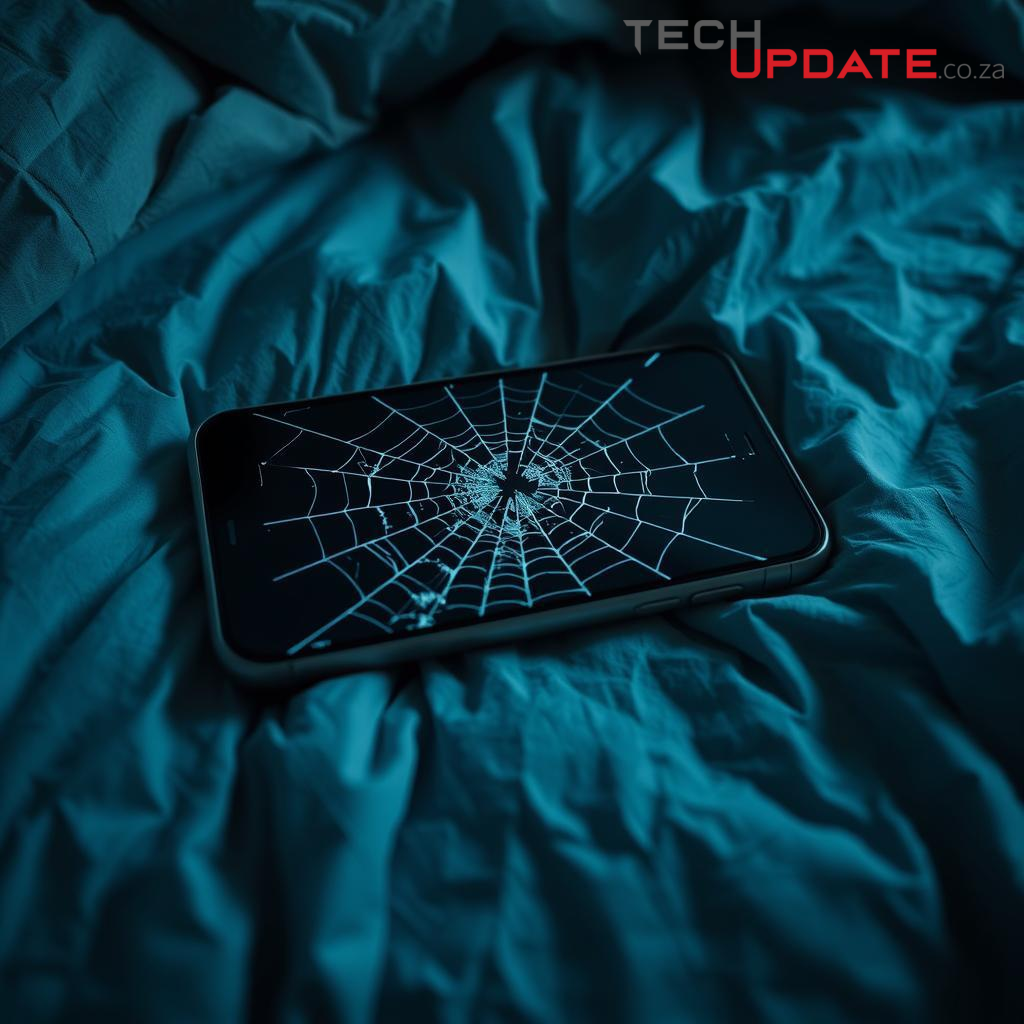
The quiet of the night, often considered a sanctuary, can surprisingly become the scene of unforeseen digital disasters. Consider the all-too-relatable lament: "I should have listened to the people who say that you shouldn't bring your phone into the bedroom." This sentiment resonates deeply with countless individuals who have woken to find their beloved smartphone bent, cracked, or otherwise rendered useless by an unwitting nocturnal maneuver. The embarrassment of explaining such a mishap often rivals the financial sting of repair or replacement.
While the immediate consequence is a destroyed device, the scenario underscores a broader issue: our increasingly intimate relationship with technology, particularly within spaces traditionally reserved for rest. Bringing a phone into the bedroom is often justified for convenience – an alarm clock, a last-minute email check, or a quick scroll. However, this proximity inherently increases the risk of accidental damage, especially during periods of unconscious movement.
Beyond the Bed: A Pantheon of Embarrassing Tech Fails
The "destroyed-in-sleep" anecdote, while uniquely personal, joins a vast compendium of embarrassing tech failures that plague modern life. From the infamous "butt dial" interrupting a crucial meeting to accidentally broadcasting a private moment during a video call, our reliance on technology provides ample opportunity for cringeworthy mishaps.
- The Unseen Autocorrect: Messages sent with unintended (and often hilarious) alterations.
- The Accidental Broadcast: Unmuting at precisely the wrong moment during a virtual meeting.
- The Ghost in the Machine: Devices seemingly acting on their own, leading to public gaffes.
These incidents, though often minor, highlight our vulnerability in a hyper-connected world. They serve as uncomfortable reminders that while technology aims to simplify our lives, it also introduces new vectors for human error and public humiliation.
The Dual Impact: Device Integrity and Digital Well-being
The consequences of tech fails, particularly those involving physical damage, extend beyond the immediate financial outlay. A broken phone disrupts communication, work, and personal organization. Furthermore, the pervasive presence of technology in the bedroom has well-documented implications for sleep quality and mental health. Blue light emissions from screens interfere with melatonin production, while the constant accessibility encourages late-night engagement, further cementing an unhealthy reliance. The physical destruction of a device in this environment is, in many ways, a tangible representation of the digital fatigue and poor habits we often overlook.
Mitigating the Mayhem: Strategies for Tech Harmony
Preventing such embarrassing and costly incidents often boils down to establishing healthier boundaries with our devices. Simple adjustments can make a significant difference:
- Designated Device Zones: Establish areas in the home where devices are charged and stored, ideally outside the bedroom.
- Embrace Analog: Reintroduce traditional alarm clocks to reduce the necessity of a phone by the bedside.
- Mindful Usage: Cultivate habits of intentional tech interaction rather than passive consumption, especially before sleep.
Summary
From phones shattered in sleep to public digital faux pas, embarrassing tech failures are an undeniable facet of modern existence. While they often induce a momentary flush of shame, these incidents serve as potent reminders of our human fallibility in an increasingly automated world. Ultimately, cultivating a more conscious and respectful relationship with our devices, particularly by establishing clear boundaries in personal spaces like the bedroom, can prevent not only physical damage but also foster improved digital well-being.
Resources
Details
Author
Top articles




 }})
You can now watch HBO Max for $10
Latest articles





You can now watch HBO Max for $10
The Bedside Blunder: A Costly Wake-Up Call
The quiet of the night, often considered a sanctuary, can surprisingly become the scene of unforeseen digital disasters. Consider the all-too-relatable lament: "I should have listened to the people who say that you shouldn't bring your phone into the bedroom." This sentiment resonates deeply with countless individuals who have woken to find their beloved smartphone bent, cracked, or otherwise rendered useless by an unwitting nocturnal maneuver. The embarrassment of explaining such a mishap often rivals the financial sting of repair or replacement.
While the immediate consequence is a destroyed device, the scenario underscores a broader issue: our increasingly intimate relationship with technology, particularly within spaces traditionally reserved for rest. Bringing a phone into the bedroom is often justified for convenience – an alarm clock, a last-minute email check, or a quick scroll. However, this proximity inherently increases the risk of accidental damage, especially during periods of unconscious movement.
Beyond the Bed: A Pantheon of Embarrassing Tech Fails
The "destroyed-in-sleep" anecdote, while uniquely personal, joins a vast compendium of embarrassing tech failures that plague modern life. From the infamous "butt dial" interrupting a crucial meeting to accidentally broadcasting a private moment during a video call, our reliance on technology provides ample opportunity for cringeworthy mishaps.
- The Unseen Autocorrect: Messages sent with unintended (and often hilarious) alterations.
- The Accidental Broadcast: Unmuting at precisely the wrong moment during a virtual meeting.
- The Ghost in the Machine: Devices seemingly acting on their own, leading to public gaffes.
These incidents, though often minor, highlight our vulnerability in a hyper-connected world. They serve as uncomfortable reminders that while technology aims to simplify our lives, it also introduces new vectors for human error and public humiliation.
The Dual Impact: Device Integrity and Digital Well-being
The consequences of tech fails, particularly those involving physical damage, extend beyond the immediate financial outlay. A broken phone disrupts communication, work, and personal organization. Furthermore, the pervasive presence of technology in the bedroom has well-documented implications for sleep quality and mental health. Blue light emissions from screens interfere with melatonin production, while the constant accessibility encourages late-night engagement, further cementing an unhealthy reliance. The physical destruction of a device in this environment is, in many ways, a tangible representation of the digital fatigue and poor habits we often overlook.
Mitigating the Mayhem: Strategies for Tech Harmony
Preventing such embarrassing and costly incidents often boils down to establishing healthier boundaries with our devices. Simple adjustments can make a significant difference:
- Designated Device Zones: Establish areas in the home where devices are charged and stored, ideally outside the bedroom.
- Embrace Analog: Reintroduce traditional alarm clocks to reduce the necessity of a phone by the bedside.
- Mindful Usage: Cultivate habits of intentional tech interaction rather than passive consumption, especially before sleep.
Summary
From phones shattered in sleep to public digital faux pas, embarrassing tech failures are an undeniable facet of modern existence. While they often induce a momentary flush of shame, these incidents serve as potent reminders of our human fallibility in an increasingly automated world. Ultimately, cultivating a more conscious and respectful relationship with our devices, particularly by establishing clear boundaries in personal spaces like the bedroom, can prevent not only physical damage but also foster improved digital well-being.
Resources
Top articles
You can now watch HBO Max for $10
Latest articles
You can now watch HBO Max for $10
Similar posts




This is a page that only logged-in people can visit. Don't you feel special? Try clicking on a button below to do some things you can't do when you're logged out.
Example modal
At your leisure, please peruse this excerpt from a whale of a tale.
Chapter 1: Loomings.
Call me Ishmael. Some years ago—never mind how long precisely—having little or no money in my purse, and nothing particular to interest me on shore, I thought I would sail about a little and see the watery part of the world. It is a way I have of driving off the spleen and regulating the circulation. Whenever I find myself growing grim about the mouth; whenever it is a damp, drizzly November in my soul; whenever I find myself involuntarily pausing before coffin warehouses, and bringing up the rear of every funeral I meet; and especially whenever my hypos get such an upper hand of me, that it requires a strong moral principle to prevent me from deliberately stepping into the street, and methodically knocking people's hats off—then, I account it high time to get to sea as soon as I can. This is my substitute for pistol and ball. With a philosophical flourish Cato throws himself upon his sword; I quietly take to the ship. There is nothing surprising in this. If they but knew it, almost all men in their degree, some time or other, cherish very nearly the same feelings towards the ocean with me.
Comment