The Credential Layer Is Expanding Faster Than Security Teams Can See It: A Looming Enterprise Crisis

In the intricate landscape of modern enterprise architecture, credentials serve as the fundamental keys, unlocking access for humans, automated systems, and increasingly, artificial intelligence, to critical data, services, and interconnected infrastructure. This essential layer, however, is expanding at a velocity that far outstrips the visibility and control capabilities of most security teams, precipitating a silent crisis of escalating risk.
The Exploding Credential Surface
The proliferation of digital identities and secrets is an undeniable byproduct of rapid technological evolution. Cloud adoption, the decentralization inherent in microservices architectures, and the agile methodologies of DevOps have fundamentally altered how applications are built and deployed. Each new service, container, serverless function, and pipeline step often requires its own set of credentials—API keys, database passwords, tokens, certificates, and more. Furthermore, the advent of AI and Machine Learning introduces a new dimension of complexity. AI agents, interacting with numerous internal and external services, demand granular access, generating a fresh wave of machine identities and associated secrets that are frequently overlooked in traditional security frameworks. This uncontrolled growth leads to an unprecedented "secrets sprawl," making it nearly impossible for security professionals to maintain a comprehensive inventory.
The Blind Spot: Why Security Teams Struggle
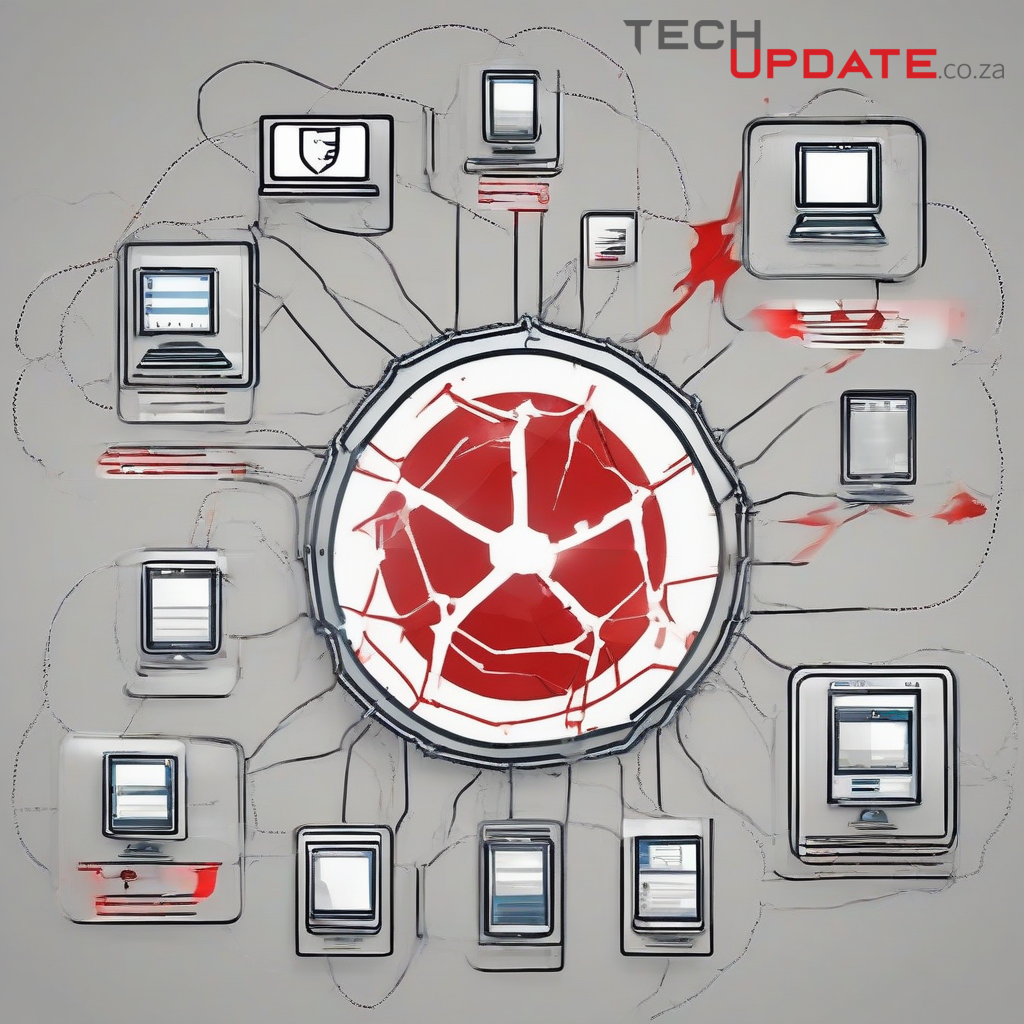
Despite the critical importance of credentials, many organizations operate with a significant blind spot regarding their full extent and location. Legacy security tools were not designed for the dynamic, ephemeral nature of cloud-native and AI-driven environments. Credentials often become embedded in source code, configuration files, environment variables, or CI/CD pipelines, residing in repositories, logs, or even personal development environments—places traditional security scans rarely reach comprehensively. This lack of centralized visibility and automated management transforms what should be a secure access mechanism into a diffuse attack surface. Attackers actively target these exposed or weakly protected credentials, knowing they offer direct pathways to sensitive systems and data, often bypassing perimeter defenses.
The Imperative of Proactive Security
Addressing this widening gap between credential proliferation and security oversight requires a strategic shift towards proactive and integrated security practices. Organizations must prioritize robust capabilities across three core pillars:
Detection: Understanding the Landscape
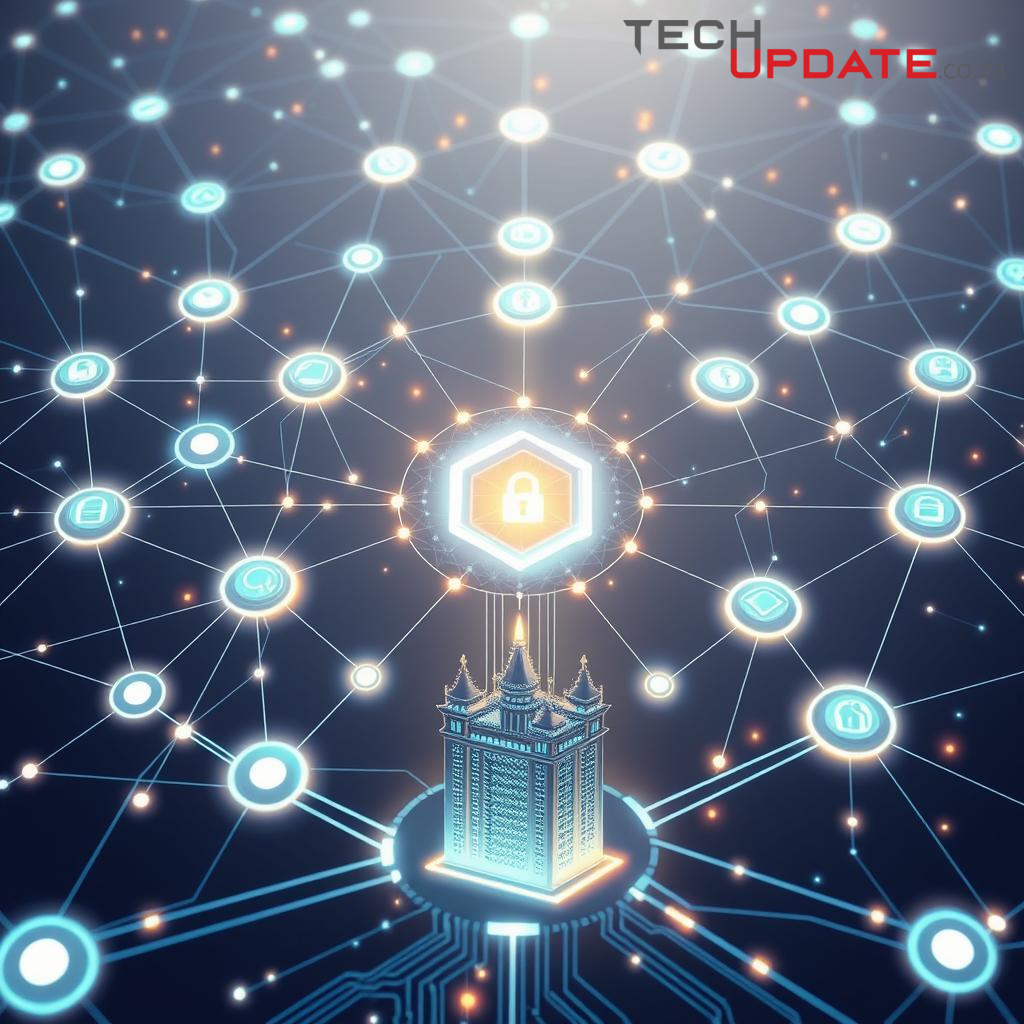
The journey to securing the credential layer begins with comprehensive detection. This involves continuously scanning all potential locations where credentials might reside—from source code repositories and configuration files to cloud environments and CI/CD pipelines. Advanced detection systems leverage pattern matching, entropy analysis, and machine learning to identify exposed secrets, even those obfuscated or partially hidden. The objective is to establish a clear, real-time inventory of all credentials, their types, locations, and associated risks, transforming the invisible into the visible.
Remediation: Containing the Exposure
Simply detecting a leaked credential is not enough; swift and effective remediation is paramount. Once a credential exposure is identified, immediate action is required to revoke the compromised secret, rotate it, and update all affected systems. Automated remediation workflows can significantly reduce the window of vulnerability, minimizing the potential impact of a breach. This includes not only patching the immediate vulnerability but also analyzing the root cause to prevent recurrence.
Prevention: Building a Secure Foundation
Ultimately, the goal is to prevent credentials from being exposed in the first place. This 'shift-left' approach integrates secrets management directly into the development lifecycle. Implementing secure coding practices, utilizing dedicated secrets management vaults, and enforcing strict access controls and least privilege principles are crucial. By embedding security early and automating credential lifecycle management, organizations can significantly reduce the likelihood of accidental exposure and strengthen their overall security posture against sophisticated threats.
Summary
The relentless expansion of the credential layer poses one of the most significant and often underestimated challenges to modern enterprise security. As humans, systems, and AI increasingly rely on these digital keys, the inability of security teams to maintain full visibility and control creates critical vulnerabilities. A concerted effort focusing on continuous detection, rapid remediation, and proactive prevention is no longer optional but an existential necessity for safeguarding organizational integrity and data in an ever-evolving threat landscape.
Resources
Details
Author
Top articles





 }})
You can now watch HBO Max for $10
Latest articles



You can now watch HBO Max for $10
In the intricate landscape of modern enterprise architecture, credentials serve as the fundamental keys, unlocking access for humans, automated systems, and increasingly, artificial intelligence, to critical data, services, and interconnected infrastructure. This essential layer, however, is expanding at a velocity that far outstrips the visibility and control capabilities of most security teams, precipitating a silent crisis of escalating risk.
The Exploding Credential Surface
The proliferation of digital identities and secrets is an undeniable byproduct of rapid technological evolution. Cloud adoption, the decentralization inherent in microservices architectures, and the agile methodologies of DevOps have fundamentally altered how applications are built and deployed. Each new service, container, serverless function, and pipeline step often requires its own set of credentials—API keys, database passwords, tokens, certificates, and more. Furthermore, the advent of AI and Machine Learning introduces a new dimension of complexity. AI agents, interacting with numerous internal and external services, demand granular access, generating a fresh wave of machine identities and associated secrets that are frequently overlooked in traditional security frameworks. This uncontrolled growth leads to an unprecedented "secrets sprawl," making it nearly impossible for security professionals to maintain a comprehensive inventory.
The Blind Spot: Why Security Teams Struggle
Despite the critical importance of credentials, many organizations operate with a significant blind spot regarding their full extent and location. Legacy security tools were not designed for the dynamic, ephemeral nature of cloud-native and AI-driven environments. Credentials often become embedded in source code, configuration files, environment variables, or CI/CD pipelines, residing in repositories, logs, or even personal development environments—places traditional security scans rarely reach comprehensively. This lack of centralized visibility and automated management transforms what should be a secure access mechanism into a diffuse attack surface. Attackers actively target these exposed or weakly protected credentials, knowing they offer direct pathways to sensitive systems and data, often bypassing perimeter defenses.
The Imperative of Proactive Security
Addressing this widening gap between credential proliferation and security oversight requires a strategic shift towards proactive and integrated security practices. Organizations must prioritize robust capabilities across three core pillars:
Detection: Understanding the Landscape
The journey to securing the credential layer begins with comprehensive detection. This involves continuously scanning all potential locations where credentials might reside—from source code repositories and configuration files to cloud environments and CI/CD pipelines. Advanced detection systems leverage pattern matching, entropy analysis, and machine learning to identify exposed secrets, even those obfuscated or partially hidden. The objective is to establish a clear, real-time inventory of all credentials, their types, locations, and associated risks, transforming the invisible into the visible.
Remediation: Containing the Exposure
Simply detecting a leaked credential is not enough; swift and effective remediation is paramount. Once a credential exposure is identified, immediate action is required to revoke the compromised secret, rotate it, and update all affected systems. Automated remediation workflows can significantly reduce the window of vulnerability, minimizing the potential impact of a breach. This includes not only patching the immediate vulnerability but also analyzing the root cause to prevent recurrence.
Prevention: Building a Secure Foundation
Ultimately, the goal is to prevent credentials from being exposed in the first place. This 'shift-left' approach integrates secrets management directly into the development lifecycle. Implementing secure coding practices, utilizing dedicated secrets management vaults, and enforcing strict access controls and least privilege principles are crucial. By embedding security early and automating credential lifecycle management, organizations can significantly reduce the likelihood of accidental exposure and strengthen their overall security posture against sophisticated threats.
Summary
The relentless expansion of the credential layer poses one of the most significant and often underestimated challenges to modern enterprise security. As humans, systems, and AI increasingly rely on these digital keys, the inability of security teams to maintain full visibility and control creates critical vulnerabilities. A concerted effort focusing on continuous detection, rapid remediation, and proactive prevention is no longer optional but an existential necessity for safeguarding organizational integrity and data in an ever-evolving threat landscape.
Resources
Top articles
You can now watch HBO Max for $10
Latest articles
You can now watch HBO Max for $10
Similar posts



This is a page that only logged-in people can visit. Don't you feel special? Try clicking on a button below to do some things you can't do when you're logged out.
Example modal
At your leisure, please peruse this excerpt from a whale of a tale.
Chapter 1: Loomings.
Call me Ishmael. Some years ago—never mind how long precisely—having little or no money in my purse, and nothing particular to interest me on shore, I thought I would sail about a little and see the watery part of the world. It is a way I have of driving off the spleen and regulating the circulation. Whenever I find myself growing grim about the mouth; whenever it is a damp, drizzly November in my soul; whenever I find myself involuntarily pausing before coffin warehouses, and bringing up the rear of every funeral I meet; and especially whenever my hypos get such an upper hand of me, that it requires a strong moral principle to prevent me from deliberately stepping into the street, and methodically knocking people's hats off—then, I account it high time to get to sea as soon as I can. This is my substitute for pistol and ball. With a philosophical flourish Cato throws himself upon his sword; I quietly take to the ship. There is nothing surprising in this. If they but knew it, almost all men in their degree, some time or other, cherish very nearly the same feelings towards the ocean with me.
Comment