Spider-Man: Brand New Day – A Deep Dive into the Comic Arc That Echoes Raimi’s Legacy and Forged Tom Holland’s New Path
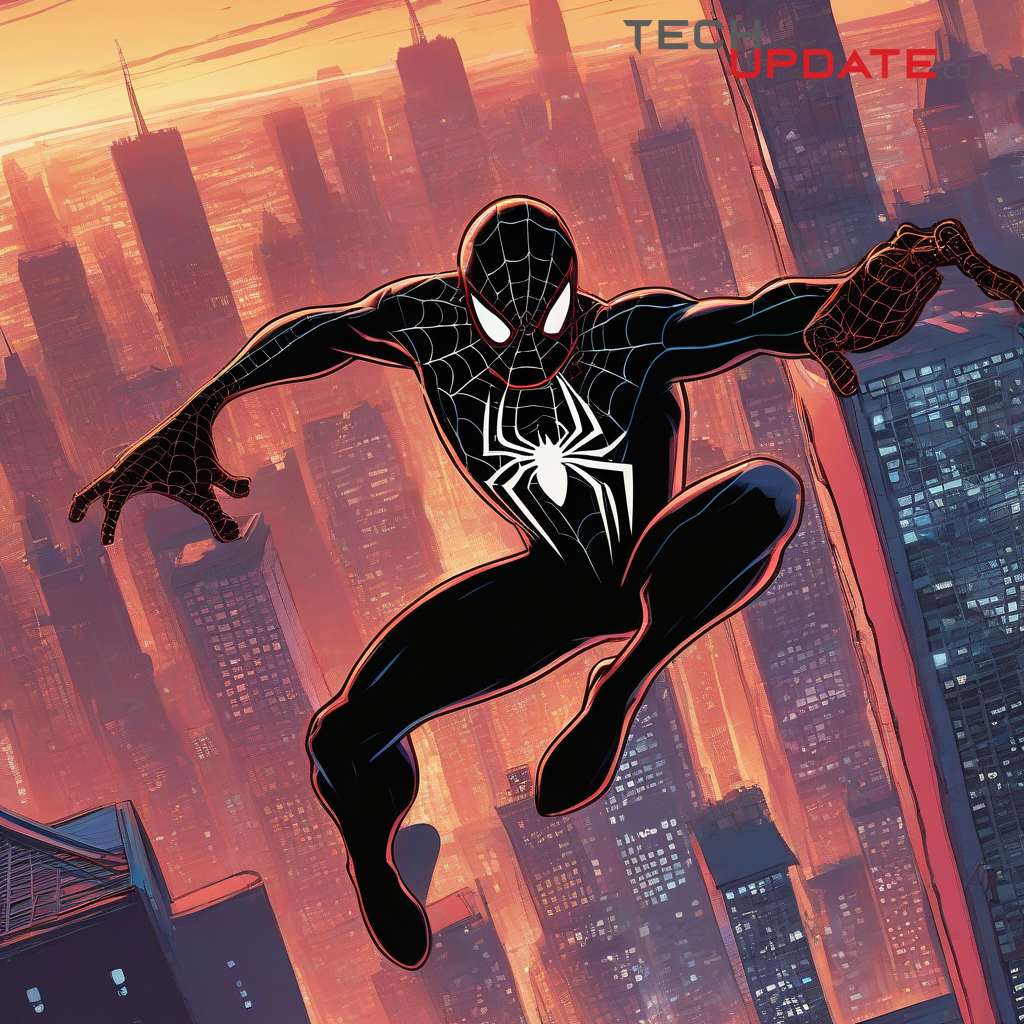
In the vast canon of Spider-Man narratives, few storylines have sparked as much discussion and re-evaluation as "Brand New Day." While the user's premise suggests a cinematic adaptation, it is crucial to clarify: "Spider-Man: Brand New Day" is not a movie, but a pivotal comic book arc that significantly reshaped Peter Parker's world from 2008 to 2010. Yet, its influence, themes, and narrative choices undeniably echo through the cinematic landscape of Spider-Man, offering a compelling lens through which to analyze the acclaimed heights of Sam Raimi's Spider-Man 2 and the evolving journey of Tom Holland's iteration.
The Undeniable Legacy of "Brand New Day"
Emerging from the highly controversial "One More Day" storyline, "Brand New Day" represented a seismic shift for Peter Parker. The infamous magical retcon erased his marriage to Mary Jane Watson from continuity, presenting a Peter Parker who was once again single, struggling financially, and navigating a less complicated personal life, albeit one stripped of a decade's worth of emotional investment. This initiative, while divisive, aimed to return Spider-Man to a more accessible, street-level hero status, reminiscent of his early days. It introduced new villains like Mister Negative and Menace, while also re-contextualizing existing characters. The arc, spearheaded by a rotating team of writers and artists, sought to inject fresh energy into the title, focusing on Peter's inherent resilience and responsibility without the long-term commitments that had weighed him down.
The Gold Standard: Sam Raimi's Spider-Man 2
To assert any Spider-Man narrative as the best since Sam Raimi's Spider-Man 2 is to invoke a benchmark of unparalleled cinematic quality. Released in 2004, Spider-Man 2 is frequently cited as not just one of the finest superhero films ever made, but a masterclass in character-driven storytelling. Its brilliance lay in its profound exploration of Peter Parker's inner turmoil, his struggle to balance his civilian life with his duties as Spider-Man, and the crushing weight of his responsibilities. Alfred Molina's Dr. Otto Octavius offered a sympathetic yet formidable antagonist, mirroring Peter's own scientific genius and moral dilemmas. The film's emotional depth, coupled with groundbreaking visual effects and expertly choreographed action, set a standard for narrative complexity and character empathy that few superhero films have since matched.
The MCU Era: Tom Holland's Evolving Web
Tom Holland's tenure as Spider-Man within the Marvel Cinematic Universe brought a fresh, youthful exuberance to the character. His trilogy – Homecoming, Far From Home, and No Way Home – initially intertwined Peter's journey with that of the wider MCU, particularly his mentorship under Tony Stark. While these films garnered immense commercial success and critical praise for their engaging performances and dynamic action, some critics noted a departure from the inherent loneliness and street-level struggles often associated with Peter Parker. However, it is in Spider-Man: No Way Home that the spirit of "Brand New Day" finds its most profound cinematic echo. The film's poignant climax, where Peter makes an ultimate sacrifice to save his loved ones and the multiverse, results in the world forgetting his existence. This stark resolution leaves Peter Parker utterly alone, forging a new identity from scratch, struggling financially, and embarking on a truly independent path – a narrative reset strikingly parallel to the fundamental premise of the "Brand New Day" comic arc.
A Cinematic "Brand New Day": What Could Be?
Given the narrative trajectory of Tom Holland's Spider-Man post-No Way Home, the hypothetical cinematic adaptation of "Brand New Day" isn't a film yet to be made; its thematic core has already been subtly woven into the current cinematic tapestry. The "Brand New Day" comic arc presented a Peter Parker stripped of his established support systems, forced to redefine his relationships and his place in the world. This mirrors Holland's current cinematic predicament. A future film that fully embraces this "Brand New Day" ethos could elevate his iteration to new heights, potentially surpassing the emotional resonance of earlier films by focusing intensely on Peter's isolated struggle, his ingenuity, and his unwavering commitment to heroism despite being forgotten by all he holds dear. Such a direction promises a more grounded, character-focused narrative, free from the entanglements of the wider MCU, allowing Peter to mature into a truly self-reliant hero. This potential shift offers a compelling pathway for Holland's Spider-Man to stand alongside, if not redefine, the cinematic legacy established by Raimi's Spider-Man 2.
Summary: A Blueprint for Rebirth
While "Spider-Man: Brand New Day" exists as a transformative comic book storyline rather than a film, its narrative ambition—to reset and reinvigorate Peter Parker—has left an indelible mark on how the character's cinematic journey is conceived. It challenged conventions, sparked debate, and ultimately provided a blueprint for how a beloved hero can be reborn. The thematic resonance of "Brand New Day" is palpable in the trajectory of Tom Holland's Spider-Man, particularly in the aftermath of No Way Home, promising a future where Peter Parker’s core essence of struggle, responsibility, and unwavering heroism can be explored with renewed depth and originality, potentially setting a new benchmark for the web-slinger’s cinematic future.
Resources
Details
Author
Top articles



 }})
You can now watch HBO Max for $10
Latest articles




You can now watch HBO Max for $10
In the vast canon of Spider-Man narratives, few storylines have sparked as much discussion and re-evaluation as "Brand New Day." While the user's premise suggests a cinematic adaptation, it is crucial to clarify: "Spider-Man: Brand New Day" is not a movie, but a pivotal comic book arc that significantly reshaped Peter Parker's world from 2008 to 2010. Yet, its influence, themes, and narrative choices undeniably echo through the cinematic landscape of Spider-Man, offering a compelling lens through which to analyze the acclaimed heights of Sam Raimi's Spider-Man 2 and the evolving journey of Tom Holland's iteration.
The Undeniable Legacy of "Brand New Day"
Emerging from the highly controversial "One More Day" storyline, "Brand New Day" represented a seismic shift for Peter Parker. The infamous magical retcon erased his marriage to Mary Jane Watson from continuity, presenting a Peter Parker who was once again single, struggling financially, and navigating a less complicated personal life, albeit one stripped of a decade's worth of emotional investment. This initiative, while divisive, aimed to return Spider-Man to a more accessible, street-level hero status, reminiscent of his early days. It introduced new villains like Mister Negative and Menace, while also re-contextualizing existing characters. The arc, spearheaded by a rotating team of writers and artists, sought to inject fresh energy into the title, focusing on Peter's inherent resilience and responsibility without the long-term commitments that had weighed him down.
The Gold Standard: Sam Raimi's Spider-Man 2
To assert any Spider-Man narrative as the best since Sam Raimi's Spider-Man 2 is to invoke a benchmark of unparalleled cinematic quality. Released in 2004, Spider-Man 2 is frequently cited as not just one of the finest superhero films ever made, but a masterclass in character-driven storytelling. Its brilliance lay in its profound exploration of Peter Parker's inner turmoil, his struggle to balance his civilian life with his duties as Spider-Man, and the crushing weight of his responsibilities. Alfred Molina's Dr. Otto Octavius offered a sympathetic yet formidable antagonist, mirroring Peter's own scientific genius and moral dilemmas. The film's emotional depth, coupled with groundbreaking visual effects and expertly choreographed action, set a standard for narrative complexity and character empathy that few superhero films have since matched.
The MCU Era: Tom Holland's Evolving Web
Tom Holland's tenure as Spider-Man within the Marvel Cinematic Universe brought a fresh, youthful exuberance to the character. His trilogy – Homecoming, Far From Home, and No Way Home – initially intertwined Peter's journey with that of the wider MCU, particularly his mentorship under Tony Stark. While these films garnered immense commercial success and critical praise for their engaging performances and dynamic action, some critics noted a departure from the inherent loneliness and street-level struggles often associated with Peter Parker. However, it is in Spider-Man: No Way Home that the spirit of "Brand New Day" finds its most profound cinematic echo. The film's poignant climax, where Peter makes an ultimate sacrifice to save his loved ones and the multiverse, results in the world forgetting his existence. This stark resolution leaves Peter Parker utterly alone, forging a new identity from scratch, struggling financially, and embarking on a truly independent path – a narrative reset strikingly parallel to the fundamental premise of the "Brand New Day" comic arc.
A Cinematic "Brand New Day": What Could Be?
Given the narrative trajectory of Tom Holland's Spider-Man post-No Way Home, the hypothetical cinematic adaptation of "Brand New Day" isn't a film yet to be made; its thematic core has already been subtly woven into the current cinematic tapestry. The "Brand New Day" comic arc presented a Peter Parker stripped of his established support systems, forced to redefine his relationships and his place in the world. This mirrors Holland's current cinematic predicament. A future film that fully embraces this "Brand New Day" ethos could elevate his iteration to new heights, potentially surpassing the emotional resonance of earlier films by focusing intensely on Peter's isolated struggle, his ingenuity, and his unwavering commitment to heroism despite being forgotten by all he holds dear. Such a direction promises a more grounded, character-focused narrative, free from the entanglements of the wider MCU, allowing Peter to mature into a truly self-reliant hero. This potential shift offers a compelling pathway for Holland's Spider-Man to stand alongside, if not redefine, the cinematic legacy established by Raimi's Spider-Man 2.
Summary: A Blueprint for Rebirth
While "Spider-Man: Brand New Day" exists as a transformative comic book storyline rather than a film, its narrative ambition—to reset and reinvigorate Peter Parker—has left an indelible mark on how the character's cinematic journey is conceived. It challenged conventions, sparked debate, and ultimately provided a blueprint for how a beloved hero can be reborn. The thematic resonance of "Brand New Day" is palpable in the trajectory of Tom Holland's Spider-Man, particularly in the aftermath of No Way Home, promising a future where Peter Parker’s core essence of struggle, responsibility, and unwavering heroism can be explored with renewed depth and originality, potentially setting a new benchmark for the web-slinger’s cinematic future.
Resources
Top articles
You can now watch HBO Max for $10
Latest articles
You can now watch HBO Max for $10
Similar posts




This is a page that only logged-in people can visit. Don't you feel special? Try clicking on a button below to do some things you can't do when you're logged out.
Example modal
At your leisure, please peruse this excerpt from a whale of a tale.
Chapter 1: Loomings.
Call me Ishmael. Some years ago—never mind how long precisely—having little or no money in my purse, and nothing particular to interest me on shore, I thought I would sail about a little and see the watery part of the world. It is a way I have of driving off the spleen and regulating the circulation. Whenever I find myself growing grim about the mouth; whenever it is a damp, drizzly November in my soul; whenever I find myself involuntarily pausing before coffin warehouses, and bringing up the rear of every funeral I meet; and especially whenever my hypos get such an upper hand of me, that it requires a strong moral principle to prevent me from deliberately stepping into the street, and methodically knocking people's hats off—then, I account it high time to get to sea as soon as I can. This is my substitute for pistol and ball. With a philosophical flourish Cato throws himself upon his sword; I quietly take to the ship. There is nothing surprising in this. If they but knew it, almost all men in their degree, some time or other, cherish very nearly the same feelings towards the ocean with me.
Comment