Hacker Group Confirms Intent to Release Stolen Rockstar Games Data Amidst GTA VI Breach Fallout
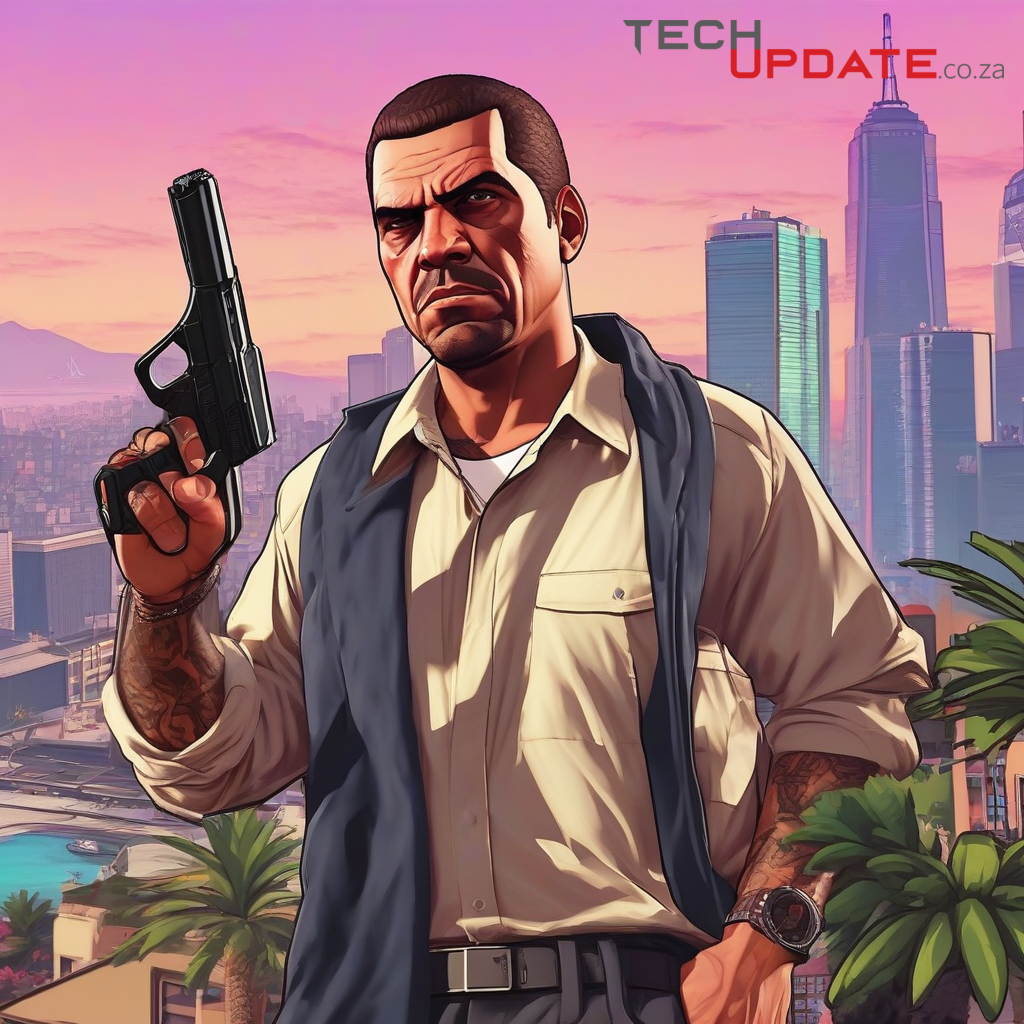
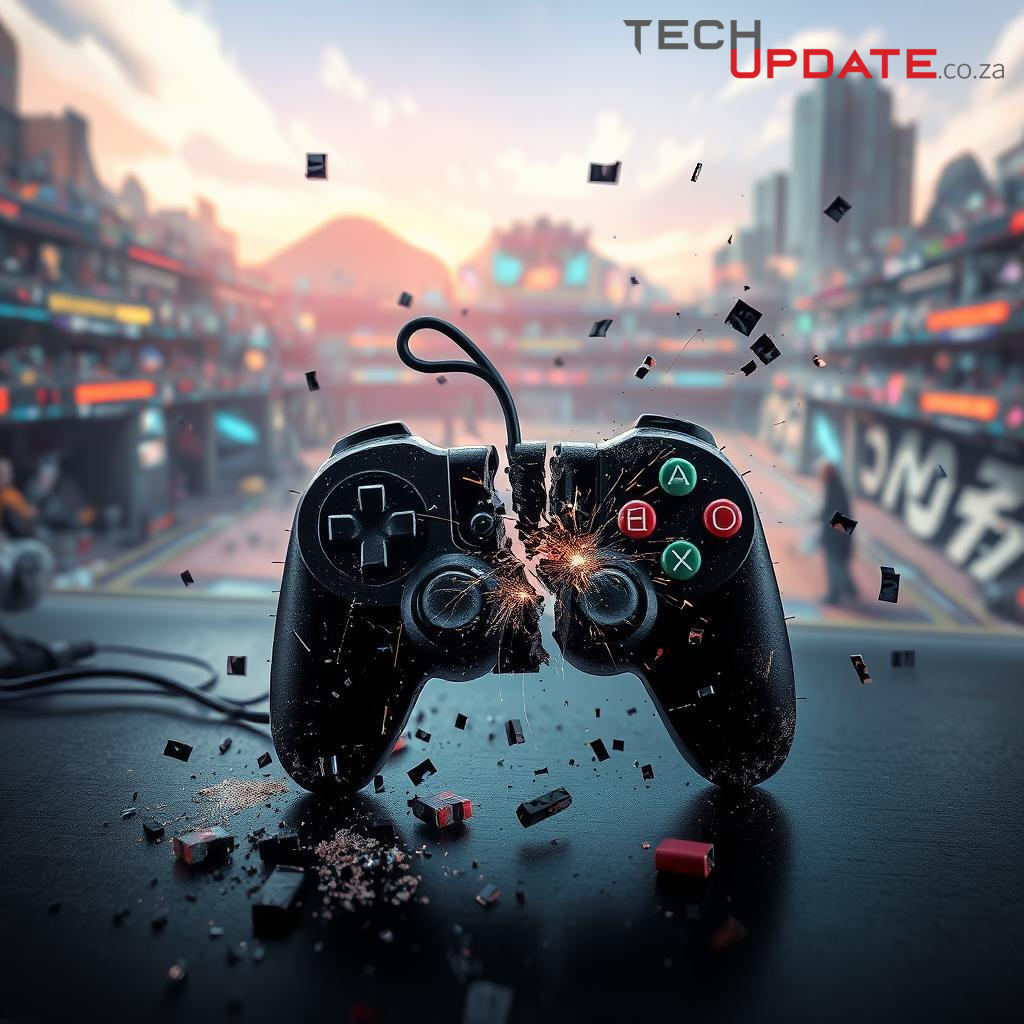
In September 2022, the gaming world was rocked by a significant cyberattack targeting Take-Two Interactive's subsidiary, Rockstar Games, the developer behind the highly anticipated Grand Theft Auto VI (GTA VI). The incident saw a hacker, identified as 'Teapotuberhacker' and later linked to the notorious Lapsus$ group, publicly confirm their acquisition of sensitive company data and threaten its release. This breach quickly became one of the most high-profile security incidents in the video game industry, forcing Rockstar to issue an official statement acknowledging the intrusion.
The Anatomy of the Breach and Perpetrator's Confirmation
The cyberattack unfolded on September 18, 2022, when an individual claiming to be the perpetrator posted dozens of videos and screenshots online, showcasing early development footage of GTA VI. This unprecedented leak provided the first unauthorized glimpse into the next installment of the immensely popular franchise. The hacker not only distributed the footage but also claimed to possess the source code for both Grand Theft Auto V and GTA VI, issuing a public ultimatum demanding communication from Rockstar Games to prevent further data dissemination.
Rockstar Games responded swiftly, confirming the network intrusion through a statement released via social media. While acknowledging the theft of early development footage, the company emphasized that they did not anticipate any long-term disruption to their live game services nor to the ongoing development of GTA VI. This response aimed to reassure fans and investors alike, even as the hacker's claims loomed large over the project.
The Stolen Assets: Footage, Code, and Consequences
The leaked material primarily consisted of approximately 90 videos revealing various aspects of GTA VI's development, including character interactions, gameplay mechanics, and elements of its Vice City-inspired setting. While the footage offered an unfiltered look at a game still very much in progress, its unauthorized release sparked debates about developer privacy, the integrity of creative processes, and the potential impact on morale within the development team.
Beyond the visual leaks, the most concerning claim from the hacker was the alleged possession of GTA V and GTA VI source code. The release of source code can have severe implications, potentially leading to exploits, piracy, and intellectual property theft. Although the full source code for GTA VI was not publicly released by the hacker following the initial breach, the threat itself represented a significant vulnerability and a persistent worry for the developer.
Industry Repercussions and Legal Aftermath
The Rockstar Games breach highlighted the increasing sophistication of cyber threats facing major corporations and the gaming industry's particular vulnerability to such attacks, given the immense anticipation surrounding unreleased titles. The incident served as a stark reminder of the critical importance of robust cybersecurity measures and incident response protocols.
In the aftermath, law enforcement agencies took action. A then-18-year-old British teenager, Arion Kurtaj, identified as a key member of the Lapsus$ hacking group, was arrested and subsequently convicted for his role in the Rockstar Games breach, among other high-profile cybercrimes. His sentencing in December 2023 saw him given an indefinite hospital order, recognizing his involvement in these significant digital intrusions.
Summary
The September 2022 data breach at Rockstar Games, initiated by a hacker linked to the Lapsus$ group, led to the unauthorized release of early GTA VI development footage and threats of further data dissemination, including source code. While Rockstar Games moved to mitigate concerns, affirming minimal impact on development, the incident underscored critical vulnerabilities within the industry. The subsequent arrest and sentencing of the perpetrator, Arion Kurtaj, brought a degree of closure to the legal aspects, yet the broader implications regarding digital security and the protection of intellectual property continue to resonate.
Resources
Details
Author
Top articles


 }})
You can now watch HBO Max for $10
Latest articles


You can now watch HBO Max for $10
In September 2022, the gaming world was rocked by a significant cyberattack targeting Take-Two Interactive's subsidiary, Rockstar Games, the developer behind the highly anticipated Grand Theft Auto VI (GTA VI). The incident saw a hacker, identified as 'Teapotuberhacker' and later linked to the notorious Lapsus$ group, publicly confirm their acquisition of sensitive company data and threaten its release. This breach quickly became one of the most high-profile security incidents in the video game industry, forcing Rockstar to issue an official statement acknowledging the intrusion.
The Anatomy of the Breach and Perpetrator's Confirmation
The cyberattack unfolded on September 18, 2022, when an individual claiming to be the perpetrator posted dozens of videos and screenshots online, showcasing early development footage of GTA VI. This unprecedented leak provided the first unauthorized glimpse into the next installment of the immensely popular franchise. The hacker not only distributed the footage but also claimed to possess the source code for both Grand Theft Auto V and GTA VI, issuing a public ultimatum demanding communication from Rockstar Games to prevent further data dissemination.
Rockstar Games responded swiftly, confirming the network intrusion through a statement released via social media. While acknowledging the theft of early development footage, the company emphasized that they did not anticipate any long-term disruption to their live game services nor to the ongoing development of GTA VI. This response aimed to reassure fans and investors alike, even as the hacker's claims loomed large over the project.
The Stolen Assets: Footage, Code, and Consequences
The leaked material primarily consisted of approximately 90 videos revealing various aspects of GTA VI's development, including character interactions, gameplay mechanics, and elements of its Vice City-inspired setting. While the footage offered an unfiltered look at a game still very much in progress, its unauthorized release sparked debates about developer privacy, the integrity of creative processes, and the potential impact on morale within the development team.
Beyond the visual leaks, the most concerning claim from the hacker was the alleged possession of GTA V and GTA VI source code. The release of source code can have severe implications, potentially leading to exploits, piracy, and intellectual property theft. Although the full source code for GTA VI was not publicly released by the hacker following the initial breach, the threat itself represented a significant vulnerability and a persistent worry for the developer.
Industry Repercussions and Legal Aftermath
The Rockstar Games breach highlighted the increasing sophistication of cyber threats facing major corporations and the gaming industry's particular vulnerability to such attacks, given the immense anticipation surrounding unreleased titles. The incident served as a stark reminder of the critical importance of robust cybersecurity measures and incident response protocols.
In the aftermath, law enforcement agencies took action. A then-18-year-old British teenager, Arion Kurtaj, identified as a key member of the Lapsus$ hacking group, was arrested and subsequently convicted for his role in the Rockstar Games breach, among other high-profile cybercrimes. His sentencing in December 2023 saw him given an indefinite hospital order, recognizing his involvement in these significant digital intrusions.
Summary
The September 2022 data breach at Rockstar Games, initiated by a hacker linked to the Lapsus$ group, led to the unauthorized release of early GTA VI development footage and threats of further data dissemination, including source code. While Rockstar Games moved to mitigate concerns, affirming minimal impact on development, the incident underscored critical vulnerabilities within the industry. The subsequent arrest and sentencing of the perpetrator, Arion Kurtaj, brought a degree of closure to the legal aspects, yet the broader implications regarding digital security and the protection of intellectual property continue to resonate.
Resources
Top articles
You can now watch HBO Max for $10
Latest articles
You can now watch HBO Max for $10
Similar posts
This is a page that only logged-in people can visit. Don't you feel special? Try clicking on a button below to do some things you can't do when you're logged out.
Example modal
At your leisure, please peruse this excerpt from a whale of a tale.
Chapter 1: Loomings.
Call me Ishmael. Some years ago—never mind how long precisely—having little or no money in my purse, and nothing particular to interest me on shore, I thought I would sail about a little and see the watery part of the world. It is a way I have of driving off the spleen and regulating the circulation. Whenever I find myself growing grim about the mouth; whenever it is a damp, drizzly November in my soul; whenever I find myself involuntarily pausing before coffin warehouses, and bringing up the rear of every funeral I meet; and especially whenever my hypos get such an upper hand of me, that it requires a strong moral principle to prevent me from deliberately stepping into the street, and methodically knocking people's hats off—then, I account it high time to get to sea as soon as I can. This is my substitute for pistol and ball. With a philosophical flourish Cato throws himself upon his sword; I quietly take to the ship. There is nothing surprising in this. If they but knew it, almost all men in their degree, some time or other, cherish very nearly the same feelings towards the ocean with me.
Comment