The Shadow of Censorship: Examining Queer Representation in Marvel's Media and Unverified Claims in 'Wolverine'
The Shadow of Censorship: Examining Queer Representation in Marvel's Media and Unverified Claims in 'Wolverine'
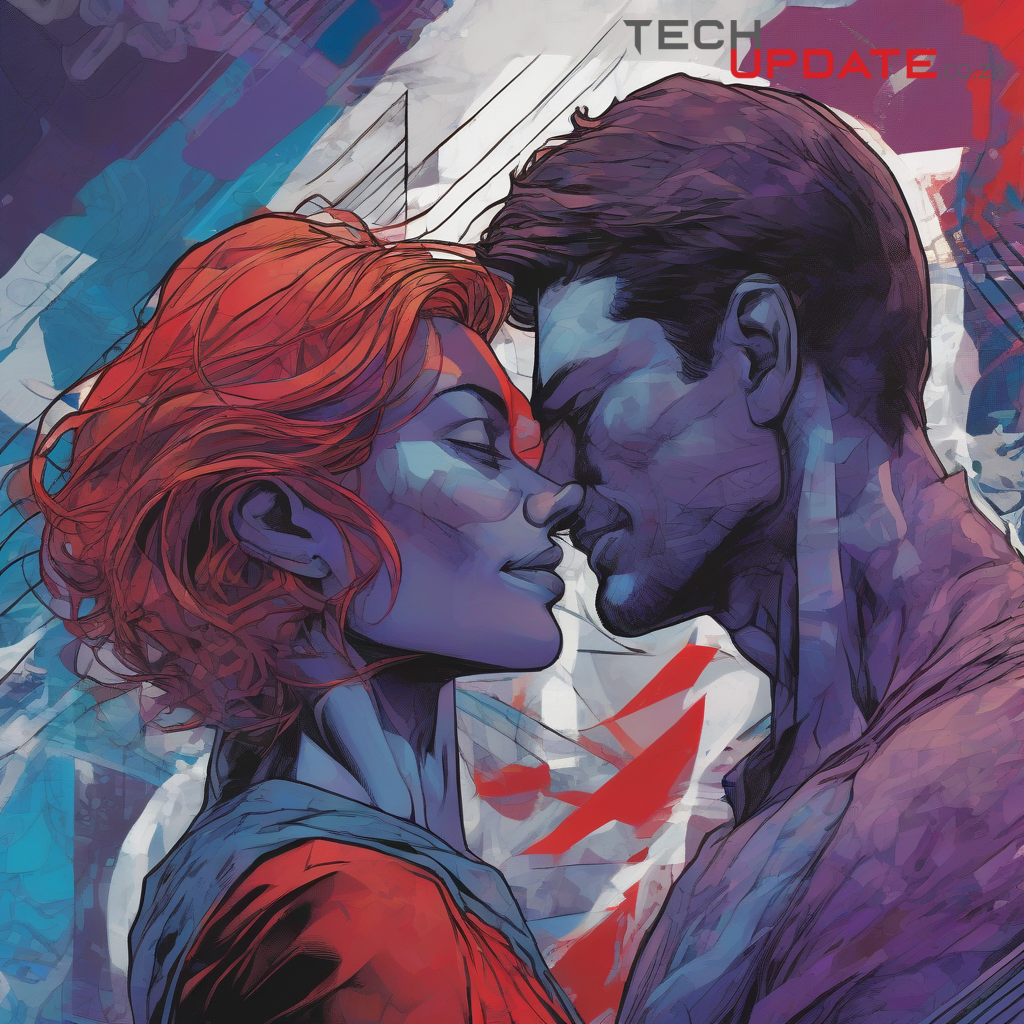
Recent discussions across social media platforms have alluded to potential content alterations within Marvel’s media, specifically referencing claims regarding the character Mystique’s lesbian relationship with Tyger in a supposed "Marvel's Wolverine" game. While specific, verified reports directly linking these claims to the upcoming Insomniac game, or a recently released title under that exact name, remain unsubstantiated by mainstream gaming journalism, these conversations underscore a persistent and crucial issue: the global landscape of LGBTQ+ representation and its susceptibility to censorship.
Mystique's Complex Identity and Enduring Relationships
Raven Darkholme, better known as Mystique, has long been a pivotal and complex figure in the Marvel Universe. Beyond her shapeshifting abilities, her character is defined by a nuanced personal life, including her bisexuality and significant same-sex relationships. Historically, her most well-documented and enduring queer relationship in the comics has been with Irene Adler, the precognitive mutant Destiny. This partnership, predating many contemporary discussions on queer representation, faced considerable suppression under the Comics Code Authority for decades, only to be openly acknowledged and celebrated in more recent comic runs.
While Mystique’s fluidity allows for various romantic entanglements, including a lesser-known association with Tyger (Tiger-lily), the primary focus of historical censorship debates surrounding her queer identity typically centers on Destiny. The online claims concerning "Tyger" highlight how specific details can emerge in digital discourse, prompting journalists to scrutinize their veracity against the broader context of a character's established lore and media presence.
The Global Imperative for Media Censorship
The alleged alterations, though unconfirmed for a "Marvel's Wolverine" game, resonate with a documented pattern of content censorship prevalent across the global entertainment industry. Video games, films, and television shows frequently undergo localized edits or outright bans in certain international markets due to diverse cultural, religious, or political sensitivities surrounding LGBTQ+ themes. Regions with restrictive societal norms often mandate the removal or downplaying of same-sex relationships, gender identity discussions, or even subtle hints of queer affection, to comply with local regulations or market expectations.
Precedent: LGBTQ+ Content Alterations in Gaming and Comics
This isn't an isolated phenomenon. Numerous examples illustrate how major publishers and studios have navigated this intricate global landscape. Games like The Sims series have, at times, faced limitations on same-sex interactions in specific territories. Other major titles, and even Marvel's cinematic universe, have seen minor LGBTQ+ moments either cut entirely or significantly toned down for release in countries with stringent censorship policies. These actions, often driven by commercial pressures to access broader markets, inadvertently dilute or erase vital representation for queer audiences worldwide. The historical suppression of Mystique and Destiny's relationship in comics further demonstrates a long-standing pattern of such editorial decisions.
Looking Ahead: Representation in Insomniac's 'Marvel's Wolverine'
As Insomniac Games continues development on its highly anticipated 'Marvel's Wolverine' title, the discussions surrounding Mystique's representation serve as a crucial reminder of the expectations from a global fanbase. Should Mystique feature prominently, how her complex identity and relationships are portrayed, and whether these portrayals remain consistent across all international releases, will be closely watched. The integrity of characterization in a globalized market remains a significant challenge, with developers and publishers balancing creative vision against commercial viability in diverse cultural contexts.
Summary
While specific, verifiable evidence regarding the alleged censorship of Mystique's relationship with Tyger in a "Marvel's Wolverine" game remains unconfirmed, the social media discourse highlights a critical, ongoing concern within the global entertainment industry: the inconsistent and often censored portrayal of LGBTQ+ characters. Mystique's history in Marvel Comics, particularly her relationship with Destiny, provides a strong precedent for how queer narratives can be challenged or suppressed. This broader context emphasizes the continuous need for authentic and uncensored representation across all media, ensuring that diverse audiences see themselves reflected without compromise, even as developers navigate complex international distribution landscapes.
Resources
Details
Author
Top articles




 }})
You can now watch HBO Max for $10
Latest articles



You can now watch HBO Max for $10
The Shadow of Censorship: Examining Queer Representation in Marvel's Media and Unverified Claims in 'Wolverine'
Recent discussions across social media platforms have alluded to potential content alterations within Marvel’s media, specifically referencing claims regarding the character Mystique’s lesbian relationship with Tyger in a supposed "Marvel's Wolverine" game. While specific, verified reports directly linking these claims to the upcoming Insomniac game, or a recently released title under that exact name, remain unsubstantiated by mainstream gaming journalism, these conversations underscore a persistent and crucial issue: the global landscape of LGBTQ+ representation and its susceptibility to censorship.
Mystique's Complex Identity and Enduring Relationships
Raven Darkholme, better known as Mystique, has long been a pivotal and complex figure in the Marvel Universe. Beyond her shapeshifting abilities, her character is defined by a nuanced personal life, including her bisexuality and significant same-sex relationships. Historically, her most well-documented and enduring queer relationship in the comics has been with Irene Adler, the precognitive mutant Destiny. This partnership, predating many contemporary discussions on queer representation, faced considerable suppression under the Comics Code Authority for decades, only to be openly acknowledged and celebrated in more recent comic runs.
While Mystique’s fluidity allows for various romantic entanglements, including a lesser-known association with Tyger (Tiger-lily), the primary focus of historical censorship debates surrounding her queer identity typically centers on Destiny. The online claims concerning "Tyger" highlight how specific details can emerge in digital discourse, prompting journalists to scrutinize their veracity against the broader context of a character's established lore and media presence.
The Global Imperative for Media Censorship
The alleged alterations, though unconfirmed for a "Marvel's Wolverine" game, resonate with a documented pattern of content censorship prevalent across the global entertainment industry. Video games, films, and television shows frequently undergo localized edits or outright bans in certain international markets due to diverse cultural, religious, or political sensitivities surrounding LGBTQ+ themes. Regions with restrictive societal norms often mandate the removal or downplaying of same-sex relationships, gender identity discussions, or even subtle hints of queer affection, to comply with local regulations or market expectations.
Precedent: LGBTQ+ Content Alterations in Gaming and Comics
This isn't an isolated phenomenon. Numerous examples illustrate how major publishers and studios have navigated this intricate global landscape. Games like The Sims series have, at times, faced limitations on same-sex interactions in specific territories. Other major titles, and even Marvel's cinematic universe, have seen minor LGBTQ+ moments either cut entirely or significantly toned down for release in countries with stringent censorship policies. These actions, often driven by commercial pressures to access broader markets, inadvertently dilute or erase vital representation for queer audiences worldwide. The historical suppression of Mystique and Destiny's relationship in comics further demonstrates a long-standing pattern of such editorial decisions.
Looking Ahead: Representation in Insomniac's 'Marvel's Wolverine'
As Insomniac Games continues development on its highly anticipated 'Marvel's Wolverine' title, the discussions surrounding Mystique's representation serve as a crucial reminder of the expectations from a global fanbase. Should Mystique feature prominently, how her complex identity and relationships are portrayed, and whether these portrayals remain consistent across all international releases, will be closely watched. The integrity of characterization in a globalized market remains a significant challenge, with developers and publishers balancing creative vision against commercial viability in diverse cultural contexts.
Summary
While specific, verifiable evidence regarding the alleged censorship of Mystique's relationship with Tyger in a "Marvel's Wolverine" game remains unconfirmed, the social media discourse highlights a critical, ongoing concern within the global entertainment industry: the inconsistent and often censored portrayal of LGBTQ+ characters. Mystique's history in Marvel Comics, particularly her relationship with Destiny, provides a strong precedent for how queer narratives can be challenged or suppressed. This broader context emphasizes the continuous need for authentic and uncensored representation across all media, ensuring that diverse audiences see themselves reflected without compromise, even as developers navigate complex international distribution landscapes.
Resources
Top articles
You can now watch HBO Max for $10
Latest articles
You can now watch HBO Max for $10
Similar posts


This is a page that only logged-in people can visit. Don't you feel special? Try clicking on a button below to do some things you can't do when you're logged out.
Example modal
At your leisure, please peruse this excerpt from a whale of a tale.
Chapter 1: Loomings.
Call me Ishmael. Some years ago—never mind how long precisely—having little or no money in my purse, and nothing particular to interest me on shore, I thought I would sail about a little and see the watery part of the world. It is a way I have of driving off the spleen and regulating the circulation. Whenever I find myself growing grim about the mouth; whenever it is a damp, drizzly November in my soul; whenever I find myself involuntarily pausing before coffin warehouses, and bringing up the rear of every funeral I meet; and especially whenever my hypos get such an upper hand of me, that it requires a strong moral principle to prevent me from deliberately stepping into the street, and methodically knocking people's hats off—then, I account it high time to get to sea as soon as I can. This is my substitute for pistol and ball. With a philosophical flourish Cato throws himself upon his sword; I quietly take to the ship. There is nothing surprising in this. If they but knew it, almost all men in their degree, some time or other, cherish very nearly the same feelings towards the ocean with me.
Comment