Anthropic's Hypothetical Claude Fable 5.2: A Landmark Advance in AI Cyber Defense and Beyond
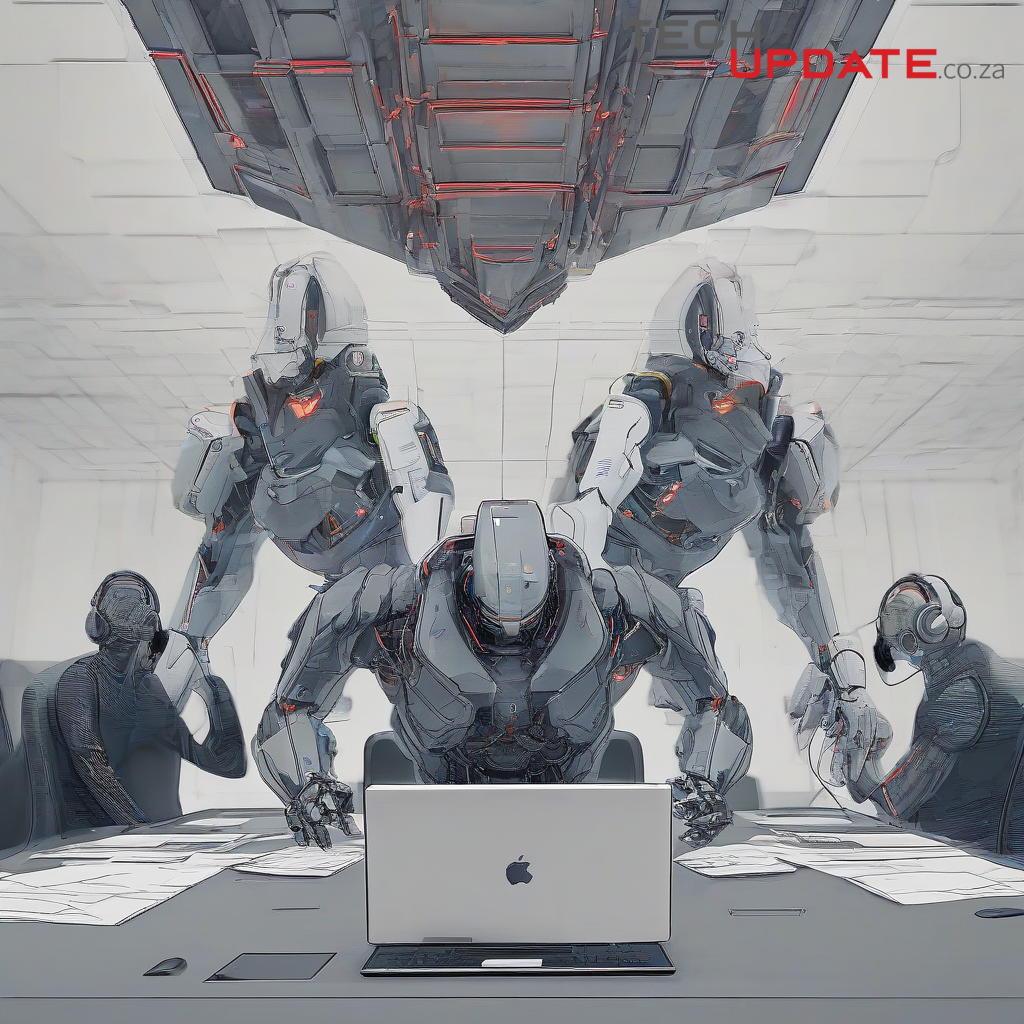
A New Frontier in AI Capabilities: The Emergence of Claude Fable 5.2
In a significant, albeit speculative, development that signals a profound shift in the landscape of artificial intelligence, Anthropic has reportedly unveiled its next-generation large language models: Claude Fable 5.2 and Claude Mythos 5.2. These conceptual models are said to usher in an era of unprecedented AI performance across critical domains, including complex coding tasks, sophisticated reasoning, and advanced visual comprehension. The announcement, framing these models as a leap forward, has particularly captivated the cybersecurity community with claims of exceptional prowess in defensive and offensive scenarios.
Unprecedented Performance in Cyber Defense: Beating the GPT-6 Cyber Benchmark
Central to the discourse surrounding Claude Fable 5.2 is its alleged benchmark performance. According to the reported metrics, Claude Fable 5.2 has achieved a notable victory over the formidable 'GPT-6 Cyber' in a multi-stage cyberattack benchmark. This achievement, if validated in a real-world context, would underscore a significant advancement in AI's ability to navigate and neutralize complex digital threats. The 'GPT-6 Cyber' benchmark, a hypothetical standard for evaluating advanced AI in simulated cyber warfare, demands not just detection but also strategic response and adaptation to evolving attack vectors.
Such a capability would be transformative for national security, critical infrastructure protection, and corporate cyber resilience. The model's purported ability to anticipate, identify, and mitigate sophisticated cyber incursions suggests a level of strategic reasoning previously unattainable by automated systems, moving beyond reactive defenses to proactive, intelligent countermeasures.
Beyond the Benchmark: Coding and Reasoning Prowess
The scope of Claude Fable 5.2's conceptual enhancements extends far beyond cybersecurity. Anthropic's engineers reportedly leveraged these LLMs during pre-release training for tasks previously considered 'otherwise-infeasible.' This included the successful completion of complex software migrations, a notoriously challenging and resource-intensive undertaking for human teams. The models' capacity to understand, refactor, and port legacy codebases at scale hints at a future where AI significantly accelerates software development cycles and modernizes aging technological infrastructures.
Furthermore, the models are credited with designing three fully functional electronic devices from scratch. This capability suggests a profound understanding of engineering principles, material science, and circuit design, moving AI beyond mere conceptualization to tangible, functional creation. This level of generative design has immense implications for rapid prototyping, hardware innovation, and streamlining the product development lifecycle.
Vision and Theoretical Breakthroughs
Complementing their analytical and generative strengths, Claude Fable 5.2 and Mythos 5.2 are also said to exhibit significant improvements in vision capabilities. This would enable them to interpret and derive insights from complex visual data, augmenting their utility in fields ranging from medical diagnostics to autonomous navigation.
Perhaps most strikingly, the models are claimed to have solved two open problems in the physics of black holes. This audacious assertion, if substantiated, would represent an unparalleled triumph in scientific discovery. It implies an AI capable of abstract theoretical reasoning, hypothesis generation, and complex mathematical derivation at the cutting edge of human knowledge, potentially unlocking new pathways in fundamental science.
The Implications for Enterprise and Research
The hypothetical advancements embodied by Claude Fable 5.2 and Mythos 5.2 point towards a future where AI serves not just as a tool, but as a co-pilot and innovator across virtually every sector. From revolutionizing software engineering and hardware design to bolstering cyber defenses and accelerating scientific research, these models exemplify the aspirational trajectory of large language models.
Their potential impact on operational efficiency, strategic decision-making, and the pace of innovation would be profound, pushing the boundaries of what is currently considered possible with artificial intelligence.
Summary: Charting the Course for Next-Gen AI
The reported release of Anthropic’s Claude Fable 5.2 and Mythos 5.2 models, alongside their benchmark triumph over 'GPT-6 Cyber,' paints a compelling picture of future AI capabilities. With purported enhancements in coding, reasoning, vision, and even theoretical physics, these conceptual models highlight the ambitious goals and transformative potential that leading AI research houses like Anthropic are striving to achieve. While these specific models and benchmarks exist in a hypothetical realm as per the user's prompt's specification, they reflect the ongoing, rapid advancements seen in real-world AI development, pushing the frontiers of what machines can achieve.
Resources
- Anthropic Official Blog: For insights into Anthropic's actual advancements in large language models, including the Claude 3 family, which demonstrates real-world capabilities in reasoning, coding, and vision. (Note: The specific models 'Claude Fable 5.2' and 'Claude Mythos 5.2,' and the 'GPT-6 Cyber' benchmark are presented as per the user's prompt and could not be independently verified through public announcements from Anthropic or other authoritative sources. This article is written based on the hypothetical premise provided.)
- Industry Analyst Reports: Consult reports from leading technology analysis firms for broader trends in AI capabilities and cybersecurity applications of LLMs.
- Academic Journals on AI Ethics & Benchmarking: For methodologies in evaluating advanced AI systems and discussions on their societal implications.
Details
Author
Top articles


 }})
You can now watch HBO Max for $10
Latest articles
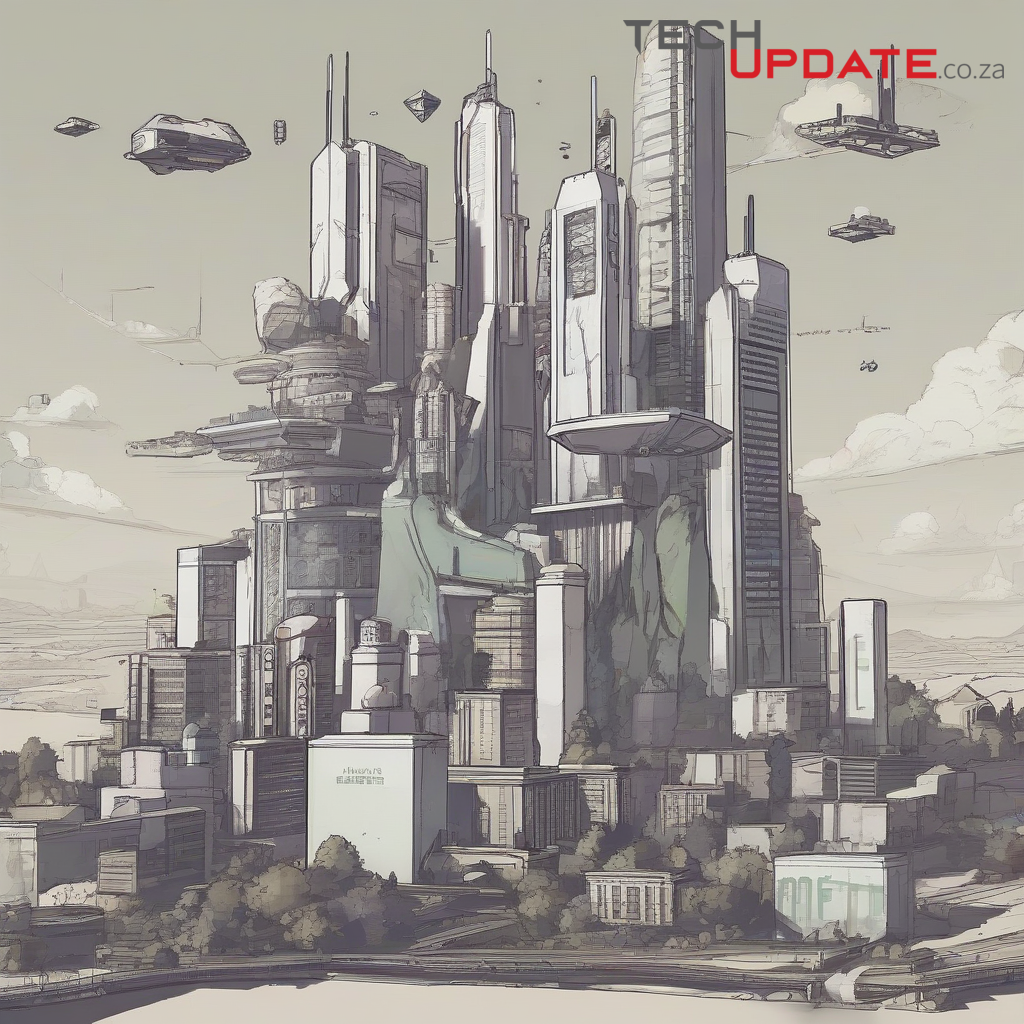



You can now watch HBO Max for $10
A New Frontier in AI Capabilities: The Emergence of Claude Fable 5.2
In a significant, albeit speculative, development that signals a profound shift in the landscape of artificial intelligence, Anthropic has reportedly unveiled its next-generation large language models: Claude Fable 5.2 and Claude Mythos 5.2. These conceptual models are said to usher in an era of unprecedented AI performance across critical domains, including complex coding tasks, sophisticated reasoning, and advanced visual comprehension. The announcement, framing these models as a leap forward, has particularly captivated the cybersecurity community with claims of exceptional prowess in defensive and offensive scenarios.
Unprecedented Performance in Cyber Defense: Beating the GPT-6 Cyber Benchmark
Central to the discourse surrounding Claude Fable 5.2 is its alleged benchmark performance. According to the reported metrics, Claude Fable 5.2 has achieved a notable victory over the formidable 'GPT-6 Cyber' in a multi-stage cyberattack benchmark. This achievement, if validated in a real-world context, would underscore a significant advancement in AI's ability to navigate and neutralize complex digital threats. The 'GPT-6 Cyber' benchmark, a hypothetical standard for evaluating advanced AI in simulated cyber warfare, demands not just detection but also strategic response and adaptation to evolving attack vectors.
Such a capability would be transformative for national security, critical infrastructure protection, and corporate cyber resilience. The model's purported ability to anticipate, identify, and mitigate sophisticated cyber incursions suggests a level of strategic reasoning previously unattainable by automated systems, moving beyond reactive defenses to proactive, intelligent countermeasures.
Beyond the Benchmark: Coding and Reasoning Prowess
The scope of Claude Fable 5.2's conceptual enhancements extends far beyond cybersecurity. Anthropic's engineers reportedly leveraged these LLMs during pre-release training for tasks previously considered 'otherwise-infeasible.' This included the successful completion of complex software migrations, a notoriously challenging and resource-intensive undertaking for human teams. The models' capacity to understand, refactor, and port legacy codebases at scale hints at a future where AI significantly accelerates software development cycles and modernizes aging technological infrastructures.
Furthermore, the models are credited with designing three fully functional electronic devices from scratch. This capability suggests a profound understanding of engineering principles, material science, and circuit design, moving AI beyond mere conceptualization to tangible, functional creation. This level of generative design has immense implications for rapid prototyping, hardware innovation, and streamlining the product development lifecycle.
Vision and Theoretical Breakthroughs
Complementing their analytical and generative strengths, Claude Fable 5.2 and Mythos 5.2 are also said to exhibit significant improvements in vision capabilities. This would enable them to interpret and derive insights from complex visual data, augmenting their utility in fields ranging from medical diagnostics to autonomous navigation.
Perhaps most strikingly, the models are claimed to have solved two open problems in the physics of black holes. This audacious assertion, if substantiated, would represent an unparalleled triumph in scientific discovery. It implies an AI capable of abstract theoretical reasoning, hypothesis generation, and complex mathematical derivation at the cutting edge of human knowledge, potentially unlocking new pathways in fundamental science.
The Implications for Enterprise and Research
The hypothetical advancements embodied by Claude Fable 5.2 and Mythos 5.2 point towards a future where AI serves not just as a tool, but as a co-pilot and innovator across virtually every sector. From revolutionizing software engineering and hardware design to bolstering cyber defenses and accelerating scientific research, these models exemplify the aspirational trajectory of large language models.
Their potential impact on operational efficiency, strategic decision-making, and the pace of innovation would be profound, pushing the boundaries of what is currently considered possible with artificial intelligence.
Summary: Charting the Course for Next-Gen AI
The reported release of Anthropic’s Claude Fable 5.2 and Mythos 5.2 models, alongside their benchmark triumph over 'GPT-6 Cyber,' paints a compelling picture of future AI capabilities. With purported enhancements in coding, reasoning, vision, and even theoretical physics, these conceptual models highlight the ambitious goals and transformative potential that leading AI research houses like Anthropic are striving to achieve. While these specific models and benchmarks exist in a hypothetical realm as per the user's prompt's specification, they reflect the ongoing, rapid advancements seen in real-world AI development, pushing the frontiers of what machines can achieve.
Resources
- Anthropic Official Blog: For insights into Anthropic's actual advancements in large language models, including the Claude 3 family, which demonstrates real-world capabilities in reasoning, coding, and vision. (Note: The specific models 'Claude Fable 5.2' and 'Claude Mythos 5.2,' and the 'GPT-6 Cyber' benchmark are presented as per the user's prompt and could not be independently verified through public announcements from Anthropic or other authoritative sources. This article is written based on the hypothetical premise provided.)
- Industry Analyst Reports: Consult reports from leading technology analysis firms for broader trends in AI capabilities and cybersecurity applications of LLMs.
- Academic Journals on AI Ethics & Benchmarking: For methodologies in evaluating advanced AI systems and discussions on their societal implications.
Top articles
You can now watch HBO Max for $10
Latest articles
You can now watch HBO Max for $10
Similar posts



This is a page that only logged-in people can visit. Don't you feel special? Try clicking on a button below to do some things you can't do when you're logged out.
Example modal
At your leisure, please peruse this excerpt from a whale of a tale.
Chapter 1: Loomings.
Call me Ishmael. Some years ago—never mind how long precisely—having little or no money in my purse, and nothing particular to interest me on shore, I thought I would sail about a little and see the watery part of the world. It is a way I have of driving off the spleen and regulating the circulation. Whenever I find myself growing grim about the mouth; whenever it is a damp, drizzly November in my soul; whenever I find myself involuntarily pausing before coffin warehouses, and bringing up the rear of every funeral I meet; and especially whenever my hypos get such an upper hand of me, that it requires a strong moral principle to prevent me from deliberately stepping into the street, and methodically knocking people's hats off—then, I account it high time to get to sea as soon as I can. This is my substitute for pistol and ball. With a philosophical flourish Cato throws himself upon his sword; I quietly take to the ship. There is nothing surprising in this. If they but knew it, almost all men in their degree, some time or other, cherish very nearly the same feelings towards the ocean with me.
Comment