Grayscale Positions Hyperliquid ETF with Aggressive 0.29% Fee, Challenging Market Leaders
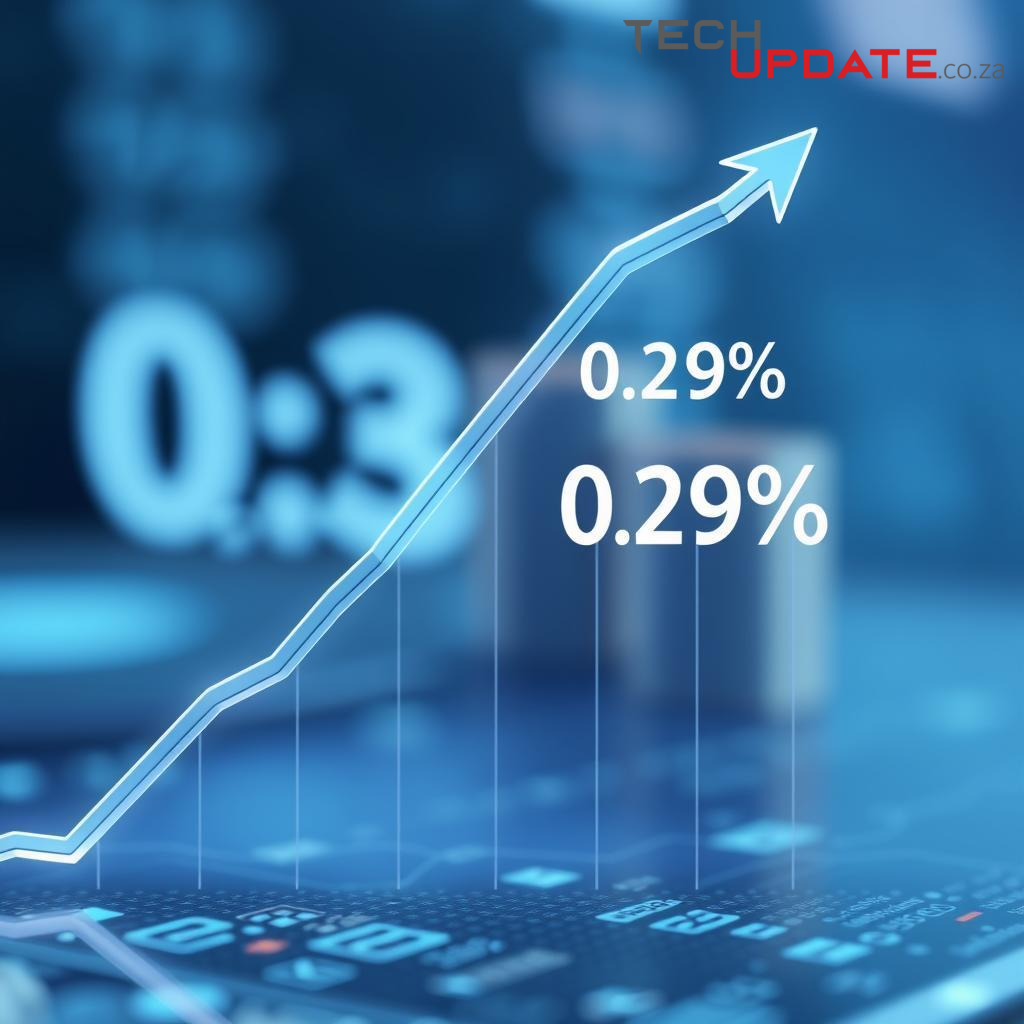
Grayscale's Bold Move: Undercutting Competitors in the ETF Market
In a strategic maneuver set to reshape the nascent cryptocurrency exchange-traded fund (ETF) landscape, Grayscale has announced a highly competitive sponsor fee of 0.29% for its forthcoming Hyperliquid ETF. This aggressive pricing strategy positions Grayscale to directly challenge established players like Bitwise and 21Shares, signaling a new phase of intense competition for investor capital in the digital asset space.
The announcement comes as Grayscale prepares for the imminent launch of its Hyperliquid ETF, expected as early as this week. The 0.29% fee represents a significant undercut, forcing competitors to re-evaluate their own pricing models and potentially triggering a broader fee war within the sector. Such a move is indicative of Grayscale's intent to capture substantial market share by appealing directly to cost-conscious investors seeking exposure to the underlying digital assets without the burden of higher management expenses.
The Competitive Landscape and Fee Dynamics
The fee structure of an ETF is a critical factor for investors, directly impacting long-term returns. Grayscale's 0.29% fee starkly contrasts with initial offerings from some competitors. For instance, Bitwise had previously set its fee at 0.20% for the first six months on up to $1 billion in assets, reverting to 0.30% thereafter. Similarly, Ark Invest and 21Shares launched with a 0.21% fee for the first six months on up to $1 billion, then moving to 0.25%. While some issuers have offered temporary waivers or lower introductory fees, Grayscale's proposed 0.29% is a consistently low rate that immediately places pressure on these established figures once their introductory periods expire or asset thresholds are met.
This aggressive pricing is not merely a play for market share but also reflects the maturing nature of the crypto ETF market. As more providers enter the fray, differentiation through cost-efficiency becomes a powerful tool. Grayscale, a prominent name in digital asset management, leverages its brand recognition and infrastructure to make a compelling value proposition to institutional and retail investors alike.
Implications for Investors and the Market
For investors, the reduction in fees is unequivocally positive. Lower expense ratios mean a larger portion of their investment grows unhindered by administrative costs, potentially leading to enhanced net returns over time. The ripple effect of Grayscale's decision could compel other ETF providers to re-evaluate and possibly lower their fees to remain competitive, ultimately benefiting the entire ecosystem by making digital asset investments more accessible and affordable.
Furthermore, this development underscores the growing institutional acceptance and integration of digital assets into traditional financial frameworks. As more sophisticated financial products like ETFs emerge with competitive pricing, the barrier to entry for mainstream investors diminishes, paving the way for broader adoption and increased liquidity in the cryptocurrency markets.
Summary
Grayscale's strategic decision to set a 0.29% sponsor fee for its upcoming Hyperliquid ETF is a significant development in the digital asset investment landscape. By undercutting several key competitors, Grayscale is positioning itself to attract a substantial volume of investor capital. This move is expected to intensify competition among ETF providers, likely leading to further fee reductions across the industry and ultimately providing greater value and accessibility for investors seeking exposure to cryptocurrencies through regulated financial products.
Resources
Details
Author
Top articles




 }})
You can now watch HBO Max for $10
Latest articles




You can now watch HBO Max for $10
Grayscale's Bold Move: Undercutting Competitors in the ETF Market
In a strategic maneuver set to reshape the nascent cryptocurrency exchange-traded fund (ETF) landscape, Grayscale has announced a highly competitive sponsor fee of 0.29% for its forthcoming Hyperliquid ETF. This aggressive pricing strategy positions Grayscale to directly challenge established players like Bitwise and 21Shares, signaling a new phase of intense competition for investor capital in the digital asset space.
The announcement comes as Grayscale prepares for the imminent launch of its Hyperliquid ETF, expected as early as this week. The 0.29% fee represents a significant undercut, forcing competitors to re-evaluate their own pricing models and potentially triggering a broader fee war within the sector. Such a move is indicative of Grayscale's intent to capture substantial market share by appealing directly to cost-conscious investors seeking exposure to the underlying digital assets without the burden of higher management expenses.
The Competitive Landscape and Fee Dynamics
The fee structure of an ETF is a critical factor for investors, directly impacting long-term returns. Grayscale's 0.29% fee starkly contrasts with initial offerings from some competitors. For instance, Bitwise had previously set its fee at 0.20% for the first six months on up to $1 billion in assets, reverting to 0.30% thereafter. Similarly, Ark Invest and 21Shares launched with a 0.21% fee for the first six months on up to $1 billion, then moving to 0.25%. While some issuers have offered temporary waivers or lower introductory fees, Grayscale's proposed 0.29% is a consistently low rate that immediately places pressure on these established figures once their introductory periods expire or asset thresholds are met.
This aggressive pricing is not merely a play for market share but also reflects the maturing nature of the crypto ETF market. As more providers enter the fray, differentiation through cost-efficiency becomes a powerful tool. Grayscale, a prominent name in digital asset management, leverages its brand recognition and infrastructure to make a compelling value proposition to institutional and retail investors alike.
Implications for Investors and the Market
For investors, the reduction in fees is unequivocally positive. Lower expense ratios mean a larger portion of their investment grows unhindered by administrative costs, potentially leading to enhanced net returns over time. The ripple effect of Grayscale's decision could compel other ETF providers to re-evaluate and possibly lower their fees to remain competitive, ultimately benefiting the entire ecosystem by making digital asset investments more accessible and affordable.
Furthermore, this development underscores the growing institutional acceptance and integration of digital assets into traditional financial frameworks. As more sophisticated financial products like ETFs emerge with competitive pricing, the barrier to entry for mainstream investors diminishes, paving the way for broader adoption and increased liquidity in the cryptocurrency markets.
Summary
Grayscale's strategic decision to set a 0.29% sponsor fee for its upcoming Hyperliquid ETF is a significant development in the digital asset investment landscape. By undercutting several key competitors, Grayscale is positioning itself to attract a substantial volume of investor capital. This move is expected to intensify competition among ETF providers, likely leading to further fee reductions across the industry and ultimately providing greater value and accessibility for investors seeking exposure to cryptocurrencies through regulated financial products.
Resources
Top articles
You can now watch HBO Max for $10
Latest articles
You can now watch HBO Max for $10
Similar posts

This is a page that only logged-in people can visit. Don't you feel special? Try clicking on a button below to do some things you can't do when you're logged out.
Example modal
At your leisure, please peruse this excerpt from a whale of a tale.
Chapter 1: Loomings.
Call me Ishmael. Some years ago—never mind how long precisely—having little or no money in my purse, and nothing particular to interest me on shore, I thought I would sail about a little and see the watery part of the world. It is a way I have of driving off the spleen and regulating the circulation. Whenever I find myself growing grim about the mouth; whenever it is a damp, drizzly November in my soul; whenever I find myself involuntarily pausing before coffin warehouses, and bringing up the rear of every funeral I meet; and especially whenever my hypos get such an upper hand of me, that it requires a strong moral principle to prevent me from deliberately stepping into the street, and methodically knocking people's hats off—then, I account it high time to get to sea as soon as I can. This is my substitute for pistol and ball. With a philosophical flourish Cato throws himself upon his sword; I quietly take to the ship. There is nothing surprising in this. If they but knew it, almost all men in their degree, some time or other, cherish very nearly the same feelings towards the ocean with me.
Comment