TP-Link Faces Expanding Legal Battle as Four More U.S. States Allege Security Misrepresentation and China Links
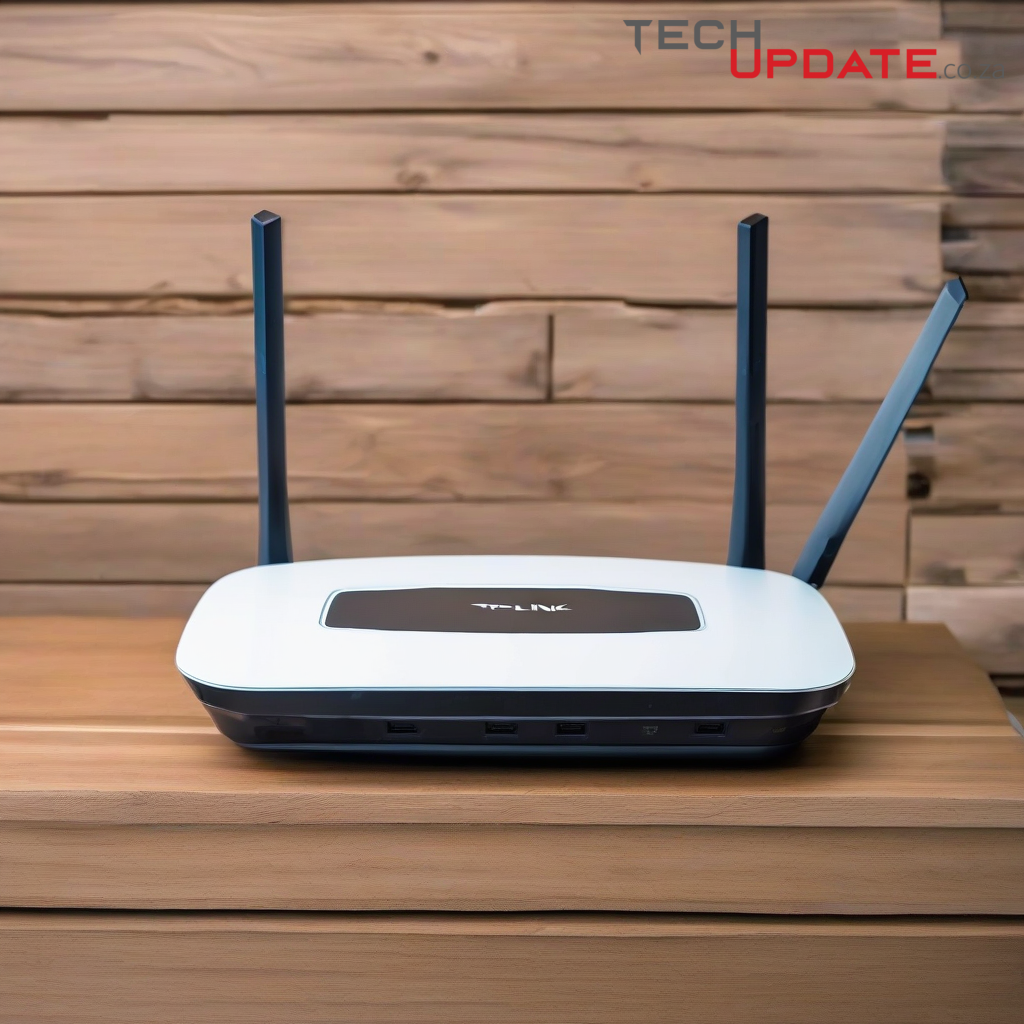
TP-Link Under Scrutiny: Multi-State Lawsuits Challenge Router Security and China Allegations
Router manufacturer TP-Link Systems is facing an escalating legal challenge, as four additional U.S. states have filed lawsuits alleging the company misled consumers regarding the security of its products and its operational independence from China. These new actions, initiated on October 6, expand upon a similar suit filed by Texas in February, bringing the total number of prosecuting states to five.
The Expanding Legal Front
Florida, Iowa, Montana, and Nebraska have now joined Texas in legal proceedings against the California-based TP-Link Systems. The core of the allegations centers on claims that the company misrepresented the security posture of its popular routers, potentially exposing users to vulnerabilities. Furthermore, the lawsuits challenge the extent of TP-Link Systems' separation from its Chinese origins, suggesting a lack of transparency about its connections to China. These legal actions underscore a growing concern among state attorneys general regarding cybersecurity standards for consumer-grade networking equipment and the geopolitical implications of technology supply chains.
TP-Link's Defense
In response to the mounting legal pressure, TP-Link Systems has vehemently denied the allegations. The company has stated its intent to vigorously defend itself in court against what it characterizes as unfounded claims. TP-Link Systems maintains that its products adhere to strict security protocols and that its operational structure is distinct from any alleged Chinese government influence.
Industry Context and Broader Implications
The lawsuits against TP-Link unfold amidst a heightened global focus on cybersecurity and the integrity of telecommunications infrastructure. Governments worldwide are increasingly scrutinizing technology companies, particularly those with ties to nations perceived as geopolitical rivals. This legal battle could set precedents for how technology companies disclose their security practices and national affiliations to consumers, potentially influencing regulatory frameworks for hardware manufacturers.
Summary
TP-Link Systems is embroiled in significant legal contention, with five U.S. states—Texas, Florida, Iowa, Montana, and Nebraska—accusing the company of misrepresenting its router security and its ties to China. While TP-Link denies these allegations and prepares for a legal fight, the cases highlight critical issues of consumer trust, cybersecurity, and supply chain transparency. The outcome could have broad implications for the technology sector and consumer protection standards.
Resources
- Federal Communications Commission (FCC) - For general information on telecommunications regulations and cybersecurity initiatives.
- The National Institute of Standards and Technology (NIST) - Provides cybersecurity frameworks and guidelines.
- Cybersecurity and Infrastructure Security Agency (CISA) - Offers resources and guidance on critical infrastructure security.
Details
Author
Top articles




 }})
You can now watch HBO Max for $10
Latest articles




You can now watch HBO Max for $10
TP-Link Under Scrutiny: Multi-State Lawsuits Challenge Router Security and China Allegations
Router manufacturer TP-Link Systems is facing an escalating legal challenge, as four additional U.S. states have filed lawsuits alleging the company misled consumers regarding the security of its products and its operational independence from China. These new actions, initiated on October 6, expand upon a similar suit filed by Texas in February, bringing the total number of prosecuting states to five.
The Expanding Legal Front
Florida, Iowa, Montana, and Nebraska have now joined Texas in legal proceedings against the California-based TP-Link Systems. The core of the allegations centers on claims that the company misrepresented the security posture of its popular routers, potentially exposing users to vulnerabilities. Furthermore, the lawsuits challenge the extent of TP-Link Systems' separation from its Chinese origins, suggesting a lack of transparency about its connections to China. These legal actions underscore a growing concern among state attorneys general regarding cybersecurity standards for consumer-grade networking equipment and the geopolitical implications of technology supply chains.
TP-Link's Defense
In response to the mounting legal pressure, TP-Link Systems has vehemently denied the allegations. The company has stated its intent to vigorously defend itself in court against what it characterizes as unfounded claims. TP-Link Systems maintains that its products adhere to strict security protocols and that its operational structure is distinct from any alleged Chinese government influence.
Industry Context and Broader Implications
The lawsuits against TP-Link unfold amidst a heightened global focus on cybersecurity and the integrity of telecommunications infrastructure. Governments worldwide are increasingly scrutinizing technology companies, particularly those with ties to nations perceived as geopolitical rivals. This legal battle could set precedents for how technology companies disclose their security practices and national affiliations to consumers, potentially influencing regulatory frameworks for hardware manufacturers.
Summary
TP-Link Systems is embroiled in significant legal contention, with five U.S. states—Texas, Florida, Iowa, Montana, and Nebraska—accusing the company of misrepresenting its router security and its ties to China. While TP-Link denies these allegations and prepares for a legal fight, the cases highlight critical issues of consumer trust, cybersecurity, and supply chain transparency. The outcome could have broad implications for the technology sector and consumer protection standards.
Resources
- Federal Communications Commission (FCC) - For general information on telecommunications regulations and cybersecurity initiatives.
- The National Institute of Standards and Technology (NIST) - Provides cybersecurity frameworks and guidelines.
- Cybersecurity and Infrastructure Security Agency (CISA) - Offers resources and guidance on critical infrastructure security.
Top articles
You can now watch HBO Max for $10
Latest articles
You can now watch HBO Max for $10
Similar posts



This is a page that only logged-in people can visit. Don't you feel special? Try clicking on a button below to do some things you can't do when you're logged out.
Example modal
At your leisure, please peruse this excerpt from a whale of a tale.
Chapter 1: Loomings.
Call me Ishmael. Some years ago—never mind how long precisely—having little or no money in my purse, and nothing particular to interest me on shore, I thought I would sail about a little and see the watery part of the world. It is a way I have of driving off the spleen and regulating the circulation. Whenever I find myself growing grim about the mouth; whenever it is a damp, drizzly November in my soul; whenever I find myself involuntarily pausing before coffin warehouses, and bringing up the rear of every funeral I meet; and especially whenever my hypos get such an upper hand of me, that it requires a strong moral principle to prevent me from deliberately stepping into the street, and methodically knocking people's hats off—then, I account it high time to get to sea as soon as I can. This is my substitute for pistol and ball. With a philosophical flourish Cato throws himself upon his sword; I quietly take to the ship. There is nothing surprising in this. If they but knew it, almost all men in their degree, some time or other, cherish very nearly the same feelings towards the ocean with me.
Comment