Tether-Backed Oobit Integrates USDT with Brazil's PIX, Reaching 170 Million Users
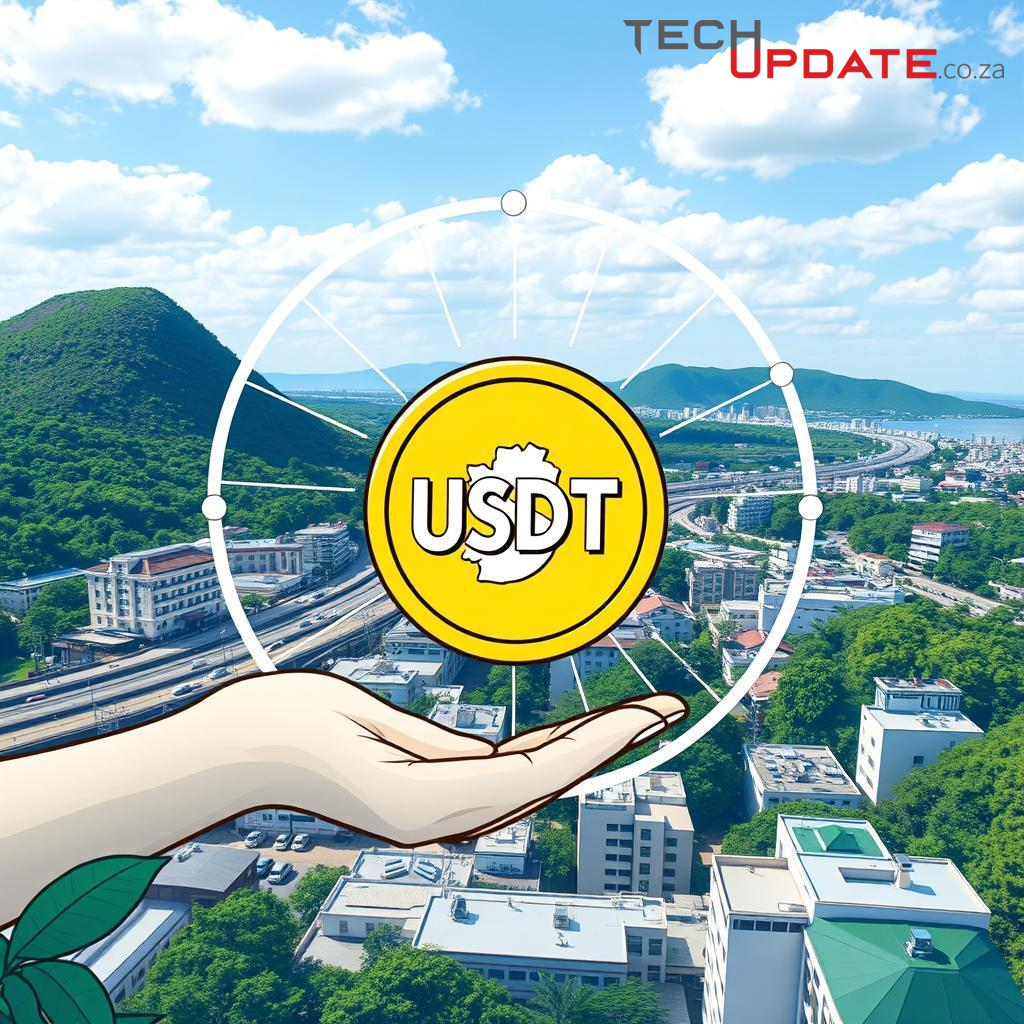
In a significant development for the global digital payment landscape and cryptocurrency adoption, Oobit, a crypto payment platform, has announced the integration of Tether's USDT stablecoin with Brazil's widely adopted PIX instant payment network. This strategic move is set to bring stablecoin access to an estimated 170 million users within Brazil, a country at the forefront of digital financial innovation.
PIX: A Pillar of Brazilian Digital Finance
Launched by the Banco Central do Brasil in 2020, PIX has rapidly transformed Brazil's financial ecosystem. It allows for instant, 24/7 money transfers and payments, becoming an indispensable tool for individuals and businesses alike. Its success is underscored by its massive user base, making it one of the most widely adopted digital payment networks globally. PIX's robust infrastructure and widespread acceptance provide a fertile ground for the integration of new financial technologies, including stablecoins.
Oobit and Tether: Bridging Crypto and Traditional Payments
Oobit's integration allows users to convert Tether's USDT, a stablecoin pegged to the U.S. dollar, directly into Brazilian Real (BRL) via the PIX network. This functionality streamlines the process of accessing and utilizing cryptocurrencies for everyday transactions. For Brazilian users, this means enhanced liquidity for their stablecoin holdings, easier access to funds, and a new avenue for cross-border payments and remittances that leverages the speed and low cost of both USDT and PIX.
The collaboration addresses a critical need in emerging markets for stable, accessible digital currency solutions. By enabling direct off-ramping from USDT to BRL through PIX, Oobit is lowering the barriers to entry for cryptocurrency usage, offering a more seamless experience compared to traditional banking channels which can often involve slower processing times and higher fees.
Implications for the Brazilian Market and Beyond
This integration holds significant implications for Brazil's financial technology sector and broader crypto adoption. It positions USDT as a more practical and liquid asset within the Brazilian economy, potentially increasing its utility for e-commerce, international trade, and as a hedge against local currency fluctuations. Furthermore, it sets a precedent for how stablecoins can be successfully integrated into national payment infrastructures in other emerging economies.
The move is also likely to attract more global businesses looking to tap into the Brazilian market, offering them a more efficient way to handle payments and settlements with local partners and customers. As regulatory frameworks for cryptocurrencies continue to evolve in Brazil, such integrations demonstrate the potential for regulated digital assets to complement and enhance existing financial systems.
Summary
Oobit's integration of Tether's USDT with Brazil's PIX payment network marks a pivotal moment in the convergence of traditional finance and cryptocurrency. By enabling 170 million Brazilian users to seamlessly convert USDT to BRL via PIX, the initiative enhances stablecoin liquidity, simplifies digital asset access, and reinforces Brazil's position as a leader in financial innovation. This development is poised to significantly impact everyday transactions, remittances, and broader crypto adoption within the region, setting a model for global financial inclusion through stable digital assets.
Resources
Details
Author
Top articles



 }})
You can now watch HBO Max for $10
Latest articles


You can now watch HBO Max for $10
In a significant development for the global digital payment landscape and cryptocurrency adoption, Oobit, a crypto payment platform, has announced the integration of Tether's USDT stablecoin with Brazil's widely adopted PIX instant payment network. This strategic move is set to bring stablecoin access to an estimated 170 million users within Brazil, a country at the forefront of digital financial innovation.
PIX: A Pillar of Brazilian Digital Finance
Launched by the Banco Central do Brasil in 2020, PIX has rapidly transformed Brazil's financial ecosystem. It allows for instant, 24/7 money transfers and payments, becoming an indispensable tool for individuals and businesses alike. Its success is underscored by its massive user base, making it one of the most widely adopted digital payment networks globally. PIX's robust infrastructure and widespread acceptance provide a fertile ground for the integration of new financial technologies, including stablecoins.
Oobit and Tether: Bridging Crypto and Traditional Payments
Oobit's integration allows users to convert Tether's USDT, a stablecoin pegged to the U.S. dollar, directly into Brazilian Real (BRL) via the PIX network. This functionality streamlines the process of accessing and utilizing cryptocurrencies for everyday transactions. For Brazilian users, this means enhanced liquidity for their stablecoin holdings, easier access to funds, and a new avenue for cross-border payments and remittances that leverages the speed and low cost of both USDT and PIX.
The collaboration addresses a critical need in emerging markets for stable, accessible digital currency solutions. By enabling direct off-ramping from USDT to BRL through PIX, Oobit is lowering the barriers to entry for cryptocurrency usage, offering a more seamless experience compared to traditional banking channels which can often involve slower processing times and higher fees.
Implications for the Brazilian Market and Beyond
This integration holds significant implications for Brazil's financial technology sector and broader crypto adoption. It positions USDT as a more practical and liquid asset within the Brazilian economy, potentially increasing its utility for e-commerce, international trade, and as a hedge against local currency fluctuations. Furthermore, it sets a precedent for how stablecoins can be successfully integrated into national payment infrastructures in other emerging economies.
The move is also likely to attract more global businesses looking to tap into the Brazilian market, offering them a more efficient way to handle payments and settlements with local partners and customers. As regulatory frameworks for cryptocurrencies continue to evolve in Brazil, such integrations demonstrate the potential for regulated digital assets to complement and enhance existing financial systems.
Summary
Oobit's integration of Tether's USDT with Brazil's PIX payment network marks a pivotal moment in the convergence of traditional finance and cryptocurrency. By enabling 170 million Brazilian users to seamlessly convert USDT to BRL via PIX, the initiative enhances stablecoin liquidity, simplifies digital asset access, and reinforces Brazil's position as a leader in financial innovation. This development is poised to significantly impact everyday transactions, remittances, and broader crypto adoption within the region, setting a model for global financial inclusion through stable digital assets.
Resources
Top articles
You can now watch HBO Max for $10
Latest articles
You can now watch HBO Max for $10
Similar posts



This is a page that only logged-in people can visit. Don't you feel special? Try clicking on a button below to do some things you can't do when you're logged out.
Example modal
At your leisure, please peruse this excerpt from a whale of a tale.
Chapter 1: Loomings.
Call me Ishmael. Some years ago—never mind how long precisely—having little or no money in my purse, and nothing particular to interest me on shore, I thought I would sail about a little and see the watery part of the world. It is a way I have of driving off the spleen and regulating the circulation. Whenever I find myself growing grim about the mouth; whenever it is a damp, drizzly November in my soul; whenever I find myself involuntarily pausing before coffin warehouses, and bringing up the rear of every funeral I meet; and especially whenever my hypos get such an upper hand of me, that it requires a strong moral principle to prevent me from deliberately stepping into the street, and methodically knocking people's hats off—then, I account it high time to get to sea as soon as I can. This is my substitute for pistol and ball. With a philosophical flourish Cato throws himself upon his sword; I quietly take to the ship. There is nothing surprising in this. If they but knew it, almost all men in their degree, some time or other, cherish very nearly the same feelings towards the ocean with me.
Comment