Anthropic Launches Cowork: Claude AI Agent Moves Beyond Code to Empower All Users, Built by AI Itself
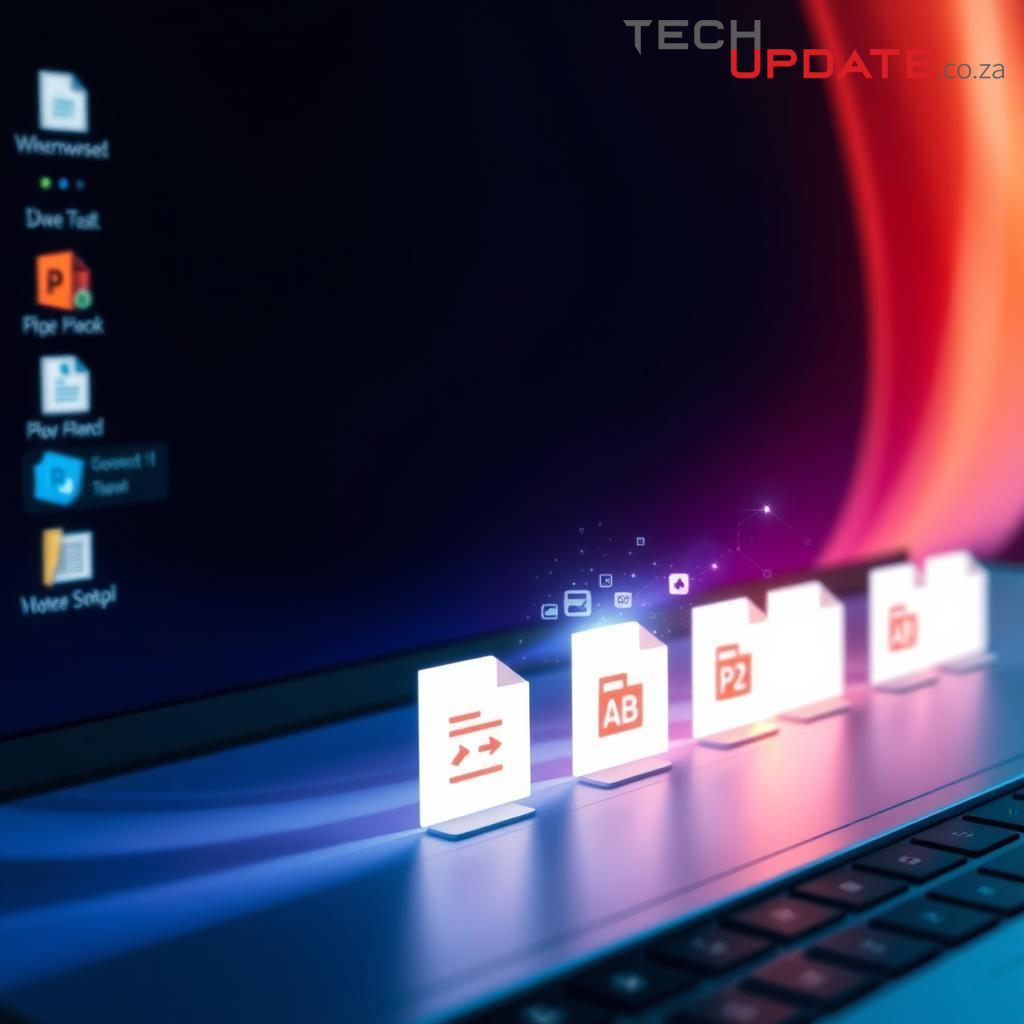
Anthropic has unveiled Cowork, a groundbreaking AI agent capability designed to extend the advanced functionalities of its successful Claude Code tool to a broader, non-technical audience. This strategic launch, reportedly developed with remarkable speed—approximately a week and a half, largely by Claude Code itself—positions Anthropic squarely in the burgeoning market for AI-powered productivity tools, challenging industry giants like Microsoft Copilot.
According to company announcements, Cowork allows users to tackle complex non-technical tasks with the same efficacy developers have experienced with Claude Code. Currently available as a research preview for Claude Max subscribers on macOS, this feature represents a significant pivot from the industry's prior focus on AI for creative writing or debugging, towards practical, enterprise-grade applications like automating expense reports from disorganized data.
From Developer Tool to Desktop Agent: The Genesis of Cowork
The inspiration for Cowork emerged directly from the unexpected usage patterns of Claude Code. Initially launched in late 2024 as a terminal-based tool for software engineers to automate coding tasks, Claude Code quickly garnered a dedicated following. However, Anthropic observed a peculiar trend: users were adapting the developer tool for a diverse array of non-coding functions.
Boris Cherny, an engineer at Anthropic, noted this "shadow usage," revealing that users employed Claude Code for everything from vacation planning and building presentations to managing emails and recovering old photos. This demonstrated the inherent versatility of the underlying Claude Agent and its Opus 4.5 model. Recognizing this demand, Anthropic streamlined its developer tool, stripping away the command-line interface to create Cowork—a more accessible platform for non-developers to leverage Claude’s capabilities.
The Agentic Architecture: How Cowork Operates
Unlike conventional chat interfaces where users manually input text, Cowork operates with a deeper level of system integration. Users grant Claude access to a specific folder on their local machine, within which the AI agent gains the ability to read, modify, or create files. This sandboxed environment enables practical applications such as automatically organizing cluttered download folders, generating structured expense reports from receipt screenshots, or compiling initial drafts from disparate notes.
Cowork is built on an "agentic loop" architecture. Rather than simply providing textual responses, the AI formulates a task-oriented plan, executes steps, self-corrects, and seeks clarification when necessary. This allows for the simultaneous processing of multiple tasks, fostering a workflow that Anthropic describes as akin to delegating to a human colleague, rather than engaging in a back-and-forth conversation. Sharing the same Claude Agent SDK as Claude Code, Cowork inherits a robust framework for handling diverse agentic responsibilities in a user-friendly format.
Furthermore, Cowork seamlessly integrates with Anthropic's existing ecosystem of connectors, linking Claude to external services like Asana, Notion, and PayPal. When paired with Claude in Chrome, Anthropic’s browser extension, the agent can extend its reach to perform web-based tasks such as navigating sites, filling forms, and extracting online information directly from the desktop application. The system also introduces specialized "skills" designed to enhance Claude’s ability to generate documents and presentations, building upon the broader Skills for Claude framework.
AI Building AI: The Accelerated Development of Cowork
Perhaps the most compelling aspect of Cowork's introduction is the astonishing speed of its development. Felix Rieseberg, an Anthropic employee, confirmed during a livestream that the team constructed Cowork in approximately one and a half weeks. This rapid turnaround immediately sparked speculation, notably from Simon Smith of Klick Health, who pondered whether "Claude Code wrote all of Claude Cowork."
If true, this instance represents a powerful demonstration of a recursive improvement loop within AI development—where advanced AI tools are actively contributing to the creation of new, more sophisticated AI products. This self-accelerating development paradigm could significantly widen the competitive gap among AI labs, favoring those capable of leveraging their own AI agents for internal product innovation.
Navigating Risks: Anthropic's Stance on Agent Safety
The transition from a conversational AI to an autonomous agent capable of manipulating local files inherently introduces new risks. An AI with the power to organize files also possesses the capacity to delete them. Anthropic has demonstrated commendable transparency by explicitly addressing these potential dangers in its announcement.
The company cautions users that Claude "can take potentially destructive actions (such as deleting local files) if it's instructed to," and emphasizes the need for "very clear guidance" to prevent misinterpretations. A more pervasive concern highlighted is the risk of prompt injection attacks, where malicious, hidden instructions could compromise the agent's safeguards. While Anthropic asserts its deployment of "sophisticated defenses," it acknowledges that "agent safety—that is, the task of securing Claude's real-world actions—is still an active area of development in the industry." These warnings underscore the nascent stage of AI agent technology and the shared responsibility in its deployment.
Competing in the Productivity Arena: Anthropic vs. Microsoft Copilot
The launch of Cowork strategically positions Anthropic as a direct competitor to Microsoft's long-standing efforts with Copilot, which aims to integrate AI capabilities deeply within the Windows operating system. Anthropic’s approach, however, emphasizes isolation and a "bottom-up" evolution.
By sandboxing the agent to designated folders and relying on explicit connectors, Anthropic seeks a balance between powerful OS-level utility and robust application-level security. This contrasts with Copilot’s more pervasive integration. Cowork’s lineage from Claude Code—a powerful coding agent—suggests a foundation built on robust agentic behaviors from its inception, which may offer a competitive edge in delivering practical, reliable AI assistance.
Currently, Cowork is exclusive to Claude Max subscribers on the macOS desktop application, with Anthropic signaling plans for future expansion to Windows and the introduction of cross-device synchronization as the product matures from its "early and raw" research preview stage.
Conclusion
Anthropic's Cowork represents a pivotal moment in the evolution of AI agents, shifting the focus from mere conversational intelligence to tangible, real-world productivity enhancements for mainstream users. The product's rapid development, potentially accelerated by its own AI sibling, underscores a future where AI systems compound their capabilities at an unprecedented pace.
The core challenge for widespread adoption now shifts from the intelligence of the models themselves to effective workflow integration and, crucially, user trust. While the prospect of delegating complex tasks to an AI that can access and modify local files presents inherent risks, Anthropic’s transparent approach to safety and its measured rollout suggest a cautious yet determined push into this transformative frontier. As AI learns to navigate our digital file systems, its next leap remains an open, compelling question for the future of enterprise and personal productivity.
Resources
- Anthropic Official Announcements (e.g., via X, company blog)
- Insights from Anthropic Engineers (e.g., Boris Cherny on X, Felix Rieseberg livestreams)
- Industry Analysis of AI Agent Development (various tech publications)
Details
Author
Top articles



 }})
You can now watch HBO Max for $10
Latest articles


You can now watch HBO Max for $10
Anthropic has unveiled Cowork, a groundbreaking AI agent capability designed to extend the advanced functionalities of its successful Claude Code tool to a broader, non-technical audience. This strategic launch, reportedly developed with remarkable speed—approximately a week and a half, largely by Claude Code itself—positions Anthropic squarely in the burgeoning market for AI-powered productivity tools, challenging industry giants like Microsoft Copilot.
According to company announcements, Cowork allows users to tackle complex non-technical tasks with the same efficacy developers have experienced with Claude Code. Currently available as a research preview for Claude Max subscribers on macOS, this feature represents a significant pivot from the industry's prior focus on AI for creative writing or debugging, towards practical, enterprise-grade applications like automating expense reports from disorganized data.
From Developer Tool to Desktop Agent: The Genesis of Cowork
The inspiration for Cowork emerged directly from the unexpected usage patterns of Claude Code. Initially launched in late 2024 as a terminal-based tool for software engineers to automate coding tasks, Claude Code quickly garnered a dedicated following. However, Anthropic observed a peculiar trend: users were adapting the developer tool for a diverse array of non-coding functions.
Boris Cherny, an engineer at Anthropic, noted this "shadow usage," revealing that users employed Claude Code for everything from vacation planning and building presentations to managing emails and recovering old photos. This demonstrated the inherent versatility of the underlying Claude Agent and its Opus 4.5 model. Recognizing this demand, Anthropic streamlined its developer tool, stripping away the command-line interface to create Cowork—a more accessible platform for non-developers to leverage Claude’s capabilities.
The Agentic Architecture: How Cowork Operates
Unlike conventional chat interfaces where users manually input text, Cowork operates with a deeper level of system integration. Users grant Claude access to a specific folder on their local machine, within which the AI agent gains the ability to read, modify, or create files. This sandboxed environment enables practical applications such as automatically organizing cluttered download folders, generating structured expense reports from receipt screenshots, or compiling initial drafts from disparate notes.
Cowork is built on an "agentic loop" architecture. Rather than simply providing textual responses, the AI formulates a task-oriented plan, executes steps, self-corrects, and seeks clarification when necessary. This allows for the simultaneous processing of multiple tasks, fostering a workflow that Anthropic describes as akin to delegating to a human colleague, rather than engaging in a back-and-forth conversation. Sharing the same Claude Agent SDK as Claude Code, Cowork inherits a robust framework for handling diverse agentic responsibilities in a user-friendly format.
Furthermore, Cowork seamlessly integrates with Anthropic's existing ecosystem of connectors, linking Claude to external services like Asana, Notion, and PayPal. When paired with Claude in Chrome, Anthropic’s browser extension, the agent can extend its reach to perform web-based tasks such as navigating sites, filling forms, and extracting online information directly from the desktop application. The system also introduces specialized "skills" designed to enhance Claude’s ability to generate documents and presentations, building upon the broader Skills for Claude framework.
AI Building AI: The Accelerated Development of Cowork
Perhaps the most compelling aspect of Cowork's introduction is the astonishing speed of its development. Felix Rieseberg, an Anthropic employee, confirmed during a livestream that the team constructed Cowork in approximately one and a half weeks. This rapid turnaround immediately sparked speculation, notably from Simon Smith of Klick Health, who pondered whether "Claude Code wrote all of Claude Cowork."
If true, this instance represents a powerful demonstration of a recursive improvement loop within AI development—where advanced AI tools are actively contributing to the creation of new, more sophisticated AI products. This self-accelerating development paradigm could significantly widen the competitive gap among AI labs, favoring those capable of leveraging their own AI agents for internal product innovation.
Navigating Risks: Anthropic's Stance on Agent Safety
The transition from a conversational AI to an autonomous agent capable of manipulating local files inherently introduces new risks. An AI with the power to organize files also possesses the capacity to delete them. Anthropic has demonstrated commendable transparency by explicitly addressing these potential dangers in its announcement.
The company cautions users that Claude "can take potentially destructive actions (such as deleting local files) if it's instructed to," and emphasizes the need for "very clear guidance" to prevent misinterpretations. A more pervasive concern highlighted is the risk of prompt injection attacks, where malicious, hidden instructions could compromise the agent's safeguards. While Anthropic asserts its deployment of "sophisticated defenses," it acknowledges that "agent safety—that is, the task of securing Claude's real-world actions—is still an active area of development in the industry." These warnings underscore the nascent stage of AI agent technology and the shared responsibility in its deployment.
Competing in the Productivity Arena: Anthropic vs. Microsoft Copilot
The launch of Cowork strategically positions Anthropic as a direct competitor to Microsoft's long-standing efforts with Copilot, which aims to integrate AI capabilities deeply within the Windows operating system. Anthropic’s approach, however, emphasizes isolation and a "bottom-up" evolution.
By sandboxing the agent to designated folders and relying on explicit connectors, Anthropic seeks a balance between powerful OS-level utility and robust application-level security. This contrasts with Copilot’s more pervasive integration. Cowork’s lineage from Claude Code—a powerful coding agent—suggests a foundation built on robust agentic behaviors from its inception, which may offer a competitive edge in delivering practical, reliable AI assistance.
Currently, Cowork is exclusive to Claude Max subscribers on the macOS desktop application, with Anthropic signaling plans for future expansion to Windows and the introduction of cross-device synchronization as the product matures from its "early and raw" research preview stage.
Conclusion
Anthropic's Cowork represents a pivotal moment in the evolution of AI agents, shifting the focus from mere conversational intelligence to tangible, real-world productivity enhancements for mainstream users. The product's rapid development, potentially accelerated by its own AI sibling, underscores a future where AI systems compound their capabilities at an unprecedented pace.
The core challenge for widespread adoption now shifts from the intelligence of the models themselves to effective workflow integration and, crucially, user trust. While the prospect of delegating complex tasks to an AI that can access and modify local files presents inherent risks, Anthropic’s transparent approach to safety and its measured rollout suggest a cautious yet determined push into this transformative frontier. As AI learns to navigate our digital file systems, its next leap remains an open, compelling question for the future of enterprise and personal productivity.
Resources
- Anthropic Official Announcements (e.g., via X, company blog)
- Insights from Anthropic Engineers (e.g., Boris Cherny on X, Felix Rieseberg livestreams)
- Industry Analysis of AI Agent Development (various tech publications)
Top articles
You can now watch HBO Max for $10
Latest articles
You can now watch HBO Max for $10
Similar posts




This is a page that only logged-in people can visit. Don't you feel special? Try clicking on a button below to do some things you can't do when you're logged out.
Example modal
At your leisure, please peruse this excerpt from a whale of a tale.
Chapter 1: Loomings.
Call me Ishmael. Some years ago—never mind how long precisely—having little or no money in my purse, and nothing particular to interest me on shore, I thought I would sail about a little and see the watery part of the world. It is a way I have of driving off the spleen and regulating the circulation. Whenever I find myself growing grim about the mouth; whenever it is a damp, drizzly November in my soul; whenever I find myself involuntarily pausing before coffin warehouses, and bringing up the rear of every funeral I meet; and especially whenever my hypos get such an upper hand of me, that it requires a strong moral principle to prevent me from deliberately stepping into the street, and methodically knocking people's hats off—then, I account it high time to get to sea as soon as I can. This is my substitute for pistol and ball. With a philosophical flourish Cato throws himself upon his sword; I quietly take to the ship. There is nothing surprising in this. If they but knew it, almost all men in their degree, some time or other, cherish very nearly the same feelings towards the ocean with me.
Comment