Google Photos Elevates Sticker Customization, Highlighting Feature Disparities for Android Users
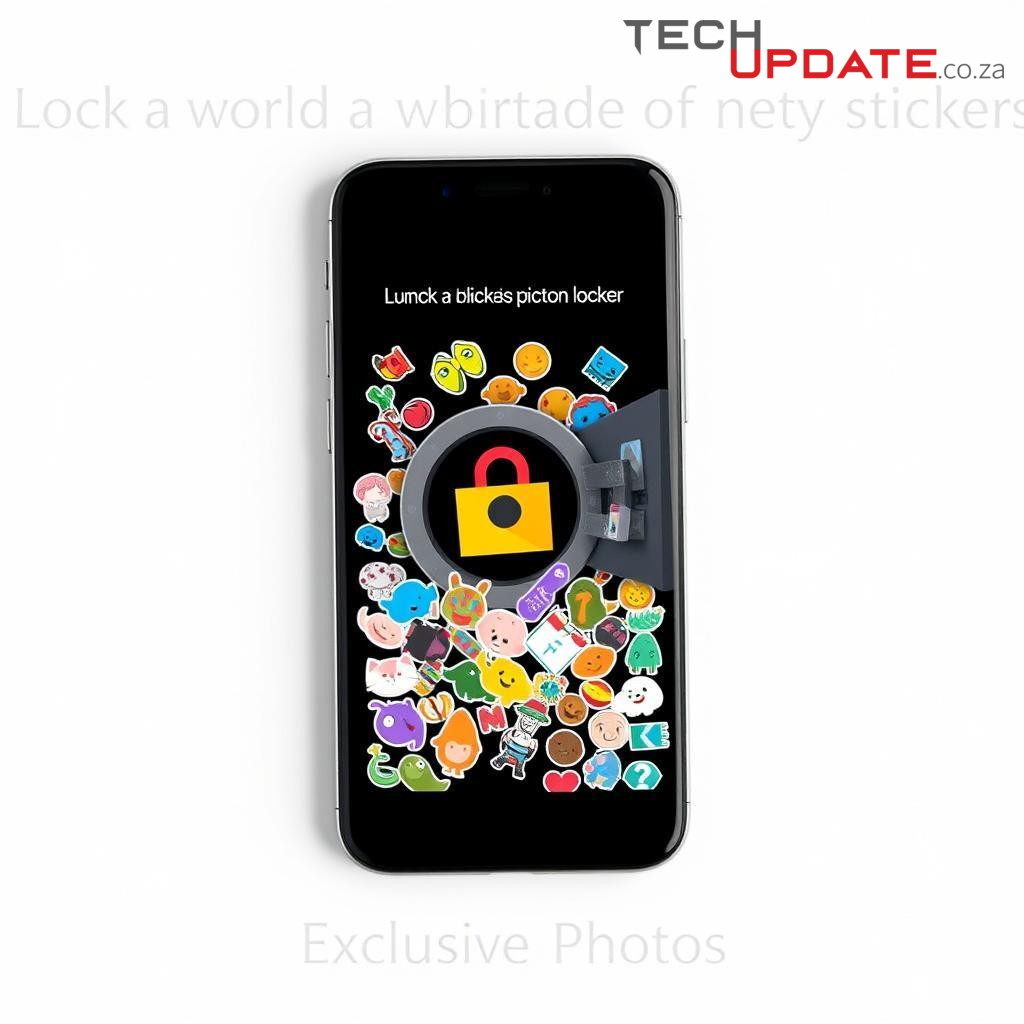
Google Photos Enhances Personal Expression with Reusable Stickers
Google Photos has rolled out a significant update to its editing suite, introducing the ability for users to save custom-created stickers into "Collections" for repeated use. This enhancement moves beyond the previous "one-and-done" nature of personalized stickers, offering a more robust and efficient way for users to inject personal flair into their memories. While ostensibly a user-friendly upgrade, the implementation subtly underscores the often-discussed disparities in feature rollouts and availability between mobile operating systems, particularly for Android users.
The Evolution of Digital Stickers
Previously, crafting a custom sticker from an image in Google Photos was a transient act. Once created and applied to a photo or video, that specific sticker was not readily available for future projects without re-creation. The new "sticker locker" functionality transforms this experience, allowing users to select an object or person from a photo, extract it as a sticker, and then explicitly save it into a designated collection. This library of personal visual assets means favorite pets, unique expressions, or recurring visual motifs can be effortlessly recalled and applied across various media, streamlining the creative workflow.
Android's Ongoing Feature Parity Challenge
The headline "Google Photos adds a sticker locker just to remind Android users what they’re missing" points to a broader industry trend where new features, especially in prominent applications, often see staggered releases or preferential treatment for one platform over another. While Google Photos is a Google product, which might suggest an Android-first approach, the reality has frequently been more nuanced. Historically, certain cutting-edge features in Google applications have debuted on iOS first, or have had more polished implementations there before reaching Android or achieving feature parity.
This particular update's marketing and user perception play into this narrative. Even if the feature eventually reaches all platforms, the initial communication or the perceived rollout order can create a sense of disparity. For Android users, who often expect cutting-edge innovation from Google's own ecosystem, any perceived lag or a sense of "catching up" to iOS can be a point of contention. The sticker locker, while a welcome addition, serves as a fresh data point in the ongoing discussion about platform-specific feature availability within the broader Google application suite.
Summary
Google Photos' new sticker locker significantly enhances the personalization and reusability of custom stickers, allowing users to save and manage their creations in dedicated collections. This feature streamlines the editing process and enriches user expression. However, its rollout and perceived platform availability contribute to the ongoing conversation about feature parity between Android and iOS within Google's own application ecosystem, reminding users of the subtle complexities in cross-platform development and deployment.
Resources
Details
Author
Top articles




 }})
You can now watch HBO Max for $10
Latest articles


You can now watch HBO Max for $10
Google Photos Enhances Personal Expression with Reusable Stickers
Google Photos has rolled out a significant update to its editing suite, introducing the ability for users to save custom-created stickers into "Collections" for repeated use. This enhancement moves beyond the previous "one-and-done" nature of personalized stickers, offering a more robust and efficient way for users to inject personal flair into their memories. While ostensibly a user-friendly upgrade, the implementation subtly underscores the often-discussed disparities in feature rollouts and availability between mobile operating systems, particularly for Android users.
The Evolution of Digital Stickers
Previously, crafting a custom sticker from an image in Google Photos was a transient act. Once created and applied to a photo or video, that specific sticker was not readily available for future projects without re-creation. The new "sticker locker" functionality transforms this experience, allowing users to select an object or person from a photo, extract it as a sticker, and then explicitly save it into a designated collection. This library of personal visual assets means favorite pets, unique expressions, or recurring visual motifs can be effortlessly recalled and applied across various media, streamlining the creative workflow.
Android's Ongoing Feature Parity Challenge
The headline "Google Photos adds a sticker locker just to remind Android users what they’re missing" points to a broader industry trend where new features, especially in prominent applications, often see staggered releases or preferential treatment for one platform over another. While Google Photos is a Google product, which might suggest an Android-first approach, the reality has frequently been more nuanced. Historically, certain cutting-edge features in Google applications have debuted on iOS first, or have had more polished implementations there before reaching Android or achieving feature parity.
This particular update's marketing and user perception play into this narrative. Even if the feature eventually reaches all platforms, the initial communication or the perceived rollout order can create a sense of disparity. For Android users, who often expect cutting-edge innovation from Google's own ecosystem, any perceived lag or a sense of "catching up" to iOS can be a point of contention. The sticker locker, while a welcome addition, serves as a fresh data point in the ongoing discussion about platform-specific feature availability within the broader Google application suite.
Summary
Google Photos' new sticker locker significantly enhances the personalization and reusability of custom stickers, allowing users to save and manage their creations in dedicated collections. This feature streamlines the editing process and enriches user expression. However, its rollout and perceived platform availability contribute to the ongoing conversation about feature parity between Android and iOS within Google's own application ecosystem, reminding users of the subtle complexities in cross-platform development and deployment.
Resources
Top articles
You can now watch HBO Max for $10
Latest articles
You can now watch HBO Max for $10
Similar posts
This is a page that only logged-in people can visit. Don't you feel special? Try clicking on a button below to do some things you can't do when you're logged out.
Example modal
At your leisure, please peruse this excerpt from a whale of a tale.
Chapter 1: Loomings.
Call me Ishmael. Some years ago—never mind how long precisely—having little or no money in my purse, and nothing particular to interest me on shore, I thought I would sail about a little and see the watery part of the world. It is a way I have of driving off the spleen and regulating the circulation. Whenever I find myself growing grim about the mouth; whenever it is a damp, drizzly November in my soul; whenever I find myself involuntarily pausing before coffin warehouses, and bringing up the rear of every funeral I meet; and especially whenever my hypos get such an upper hand of me, that it requires a strong moral principle to prevent me from deliberately stepping into the street, and methodically knocking people's hats off—then, I account it high time to get to sea as soon as I can. This is my substitute for pistol and ball. With a philosophical flourish Cato throws himself upon his sword; I quietly take to the ship. There is nothing surprising in this. If they but knew it, almost all men in their degree, some time or other, cherish very nearly the same feelings towards the ocean with me.
Comment