Navigating Capital Structure: A Strategy to Repurchase $1.5 Billion in 2029 0% Convertible Notes
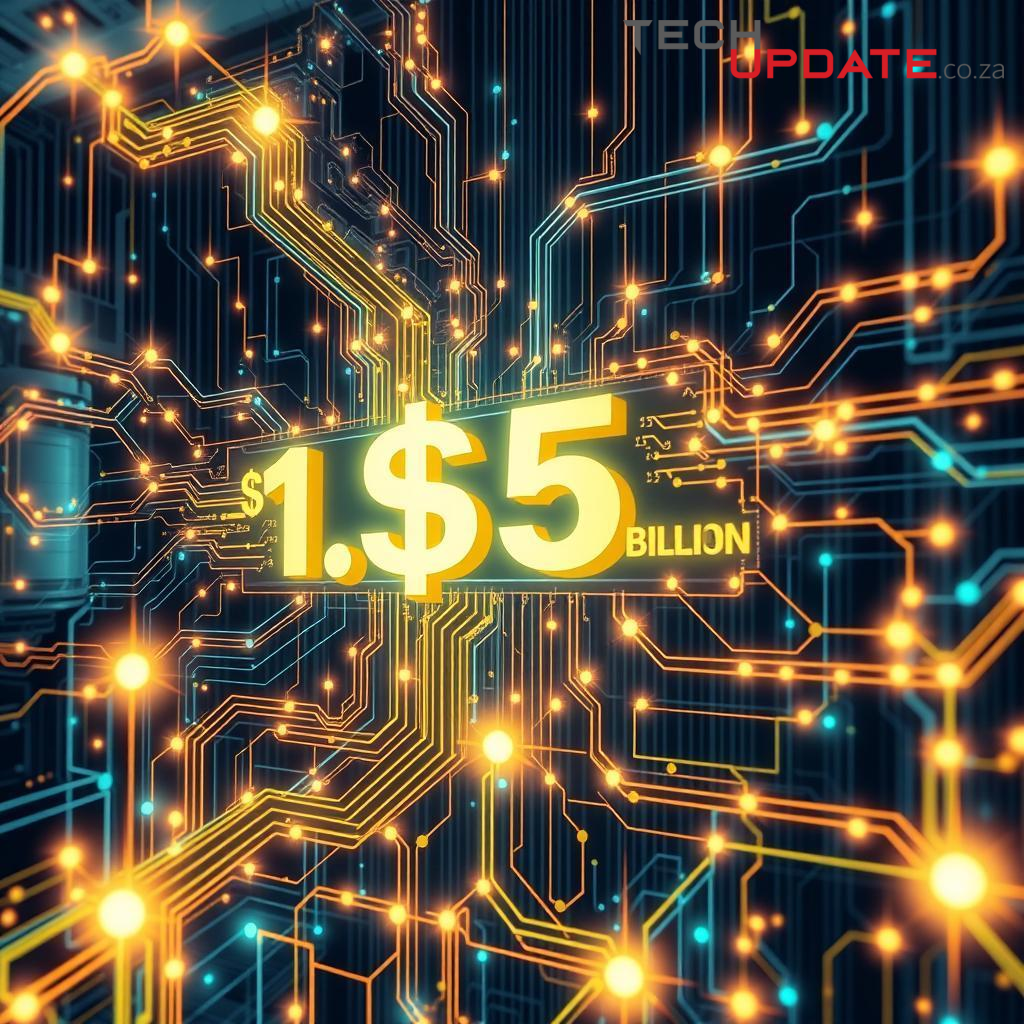
Strategic Maneuver: Repurchasing $1.5 Billion in 0% Convertible Notes
In a significant move to optimize its capital structure and mitigate future equity dilution, a company is reportedly strategizing the repurchase of $1.5 billion in its 2029 convertible notes. These particular notes are noteworthy for their 0% coupon, meaning they carry no periodic interest payments, but offer holders the option to convert them into company equity under specific conditions. This complex financial maneuver warrants a deeper examination into its motivations, potential implications, and the broader context of corporate debt management.
Understanding 0% Convertible Notes
Convertible notes are a hybrid financial instrument, blending features of both debt and equity. They function as debt, often with a maturity date, but grant the holder the right to convert the principal into a predetermined number of shares of the issuing company's common stock. The 0% coupon rate implies that the primary incentive for investors is the potential upside from equity conversion, especially if the company's stock price appreciates significantly above the conversion price.
For the issuing company, 0% convertible notes can be an attractive way to raise capital at a lower cost of debt, deferring cash interest payments. However, this benefit comes with the inherent risk of future equity dilution, which can reduce the ownership stake and earnings per share for existing shareholders if the notes are converted.
Strategic Rationale for Repurchase
The decision to repurchase such a substantial volume of convertible notes, particularly those nearing their conversion window or with a stock price significantly above the conversion threshold, is typically driven by several strategic imperatives:
- Mitigating Equity Dilution: This is often the paramount reason. If the company's stock performs well and trades substantially higher than the conversion price, noteholders are likely to convert their debt into equity. Repurchasing these notes pre-emptively reduces the potential influx of new shares, thereby protecting existing shareholder value.
- Balance Sheet Optimization: Removing debt from the balance sheet, even non-interest-bearing debt, can improve financial ratios and perceived creditworthiness. It simplifies the capital structure and reduces future obligations.
- Signaling to the Market: A significant debt repurchase can signal management's confidence in the company's intrinsic value. It suggests that management believes the stock is undervalued or that using cash to reduce potential future dilution is a better use of capital than other investments.
- Managing Future Obligations: While 0% notes don't have cash interest payments, they represent a future liability – either repayment in cash or conversion into equity. Proactive management allows the company to control the timing and method of addressing these obligations.
Execution Strategies for Repurchase
Companies typically employ a few key strategies when repurchasing convertible notes:
- Open Market Purchases: The company can buy back notes directly from holders in the secondary market. This method offers flexibility but can be impacted by market liquidity and price.
- Tender Offers: A formal invitation to noteholders to sell their notes back to the company at a specified price, often at a premium to the current market price. This approach aims for a larger, more structured repurchase.
- Privately Negotiated Transactions: Engaging directly with large institutional holders to arrange bespoke repurchase agreements. This can be efficient for significant blocks of notes.
Summary and Conclusion
The strategic repurchase of $1.5 billion in 2029 0% convertible notes represents a sophisticated financial decision aimed primarily at managing potential equity dilution and optimizing the company's capital structure. By reducing the number of notes outstanding, the company seeks to protect its existing shareholders from future dilution, reinforce market confidence, and maintain greater control over its long-term financial health. This move underscores a proactive approach to corporate finance, balancing debt obligations with shareholder value preservation.
Resources
- Investopedia: Convertible Note
- PwC: Convertible Debt Issuances
- Bloomberg Terminal (General Financial News & Data)
Details
Author
Top articles




 }})
You can now watch HBO Max for $10
Latest articles



You can now watch HBO Max for $10
Strategic Maneuver: Repurchasing $1.5 Billion in 0% Convertible Notes
In a significant move to optimize its capital structure and mitigate future equity dilution, a company is reportedly strategizing the repurchase of $1.5 billion in its 2029 convertible notes. These particular notes are noteworthy for their 0% coupon, meaning they carry no periodic interest payments, but offer holders the option to convert them into company equity under specific conditions. This complex financial maneuver warrants a deeper examination into its motivations, potential implications, and the broader context of corporate debt management.
Understanding 0% Convertible Notes
Convertible notes are a hybrid financial instrument, blending features of both debt and equity. They function as debt, often with a maturity date, but grant the holder the right to convert the principal into a predetermined number of shares of the issuing company's common stock. The 0% coupon rate implies that the primary incentive for investors is the potential upside from equity conversion, especially if the company's stock price appreciates significantly above the conversion price.
For the issuing company, 0% convertible notes can be an attractive way to raise capital at a lower cost of debt, deferring cash interest payments. However, this benefit comes with the inherent risk of future equity dilution, which can reduce the ownership stake and earnings per share for existing shareholders if the notes are converted.
Strategic Rationale for Repurchase
The decision to repurchase such a substantial volume of convertible notes, particularly those nearing their conversion window or with a stock price significantly above the conversion threshold, is typically driven by several strategic imperatives:
- Mitigating Equity Dilution: This is often the paramount reason. If the company's stock performs well and trades substantially higher than the conversion price, noteholders are likely to convert their debt into equity. Repurchasing these notes pre-emptively reduces the potential influx of new shares, thereby protecting existing shareholder value.
- Balance Sheet Optimization: Removing debt from the balance sheet, even non-interest-bearing debt, can improve financial ratios and perceived creditworthiness. It simplifies the capital structure and reduces future obligations.
- Signaling to the Market: A significant debt repurchase can signal management's confidence in the company's intrinsic value. It suggests that management believes the stock is undervalued or that using cash to reduce potential future dilution is a better use of capital than other investments.
- Managing Future Obligations: While 0% notes don't have cash interest payments, they represent a future liability – either repayment in cash or conversion into equity. Proactive management allows the company to control the timing and method of addressing these obligations.
Execution Strategies for Repurchase
Companies typically employ a few key strategies when repurchasing convertible notes:
- Open Market Purchases: The company can buy back notes directly from holders in the secondary market. This method offers flexibility but can be impacted by market liquidity and price.
- Tender Offers: A formal invitation to noteholders to sell their notes back to the company at a specified price, often at a premium to the current market price. This approach aims for a larger, more structured repurchase.
- Privately Negotiated Transactions: Engaging directly with large institutional holders to arrange bespoke repurchase agreements. This can be efficient for significant blocks of notes.
Summary and Conclusion
The strategic repurchase of $1.5 billion in 2029 0% convertible notes represents a sophisticated financial decision aimed primarily at managing potential equity dilution and optimizing the company's capital structure. By reducing the number of notes outstanding, the company seeks to protect its existing shareholders from future dilution, reinforce market confidence, and maintain greater control over its long-term financial health. This move underscores a proactive approach to corporate finance, balancing debt obligations with shareholder value preservation.
Resources
- Investopedia: Convertible Note
- PwC: Convertible Debt Issuances
- Bloomberg Terminal (General Financial News & Data)
Top articles
You can now watch HBO Max for $10
Latest articles
You can now watch HBO Max for $10
Similar posts




This is a page that only logged-in people can visit. Don't you feel special? Try clicking on a button below to do some things you can't do when you're logged out.
Example modal
At your leisure, please peruse this excerpt from a whale of a tale.
Chapter 1: Loomings.
Call me Ishmael. Some years ago—never mind how long precisely—having little or no money in my purse, and nothing particular to interest me on shore, I thought I would sail about a little and see the watery part of the world. It is a way I have of driving off the spleen and regulating the circulation. Whenever I find myself growing grim about the mouth; whenever it is a damp, drizzly November in my soul; whenever I find myself involuntarily pausing before coffin warehouses, and bringing up the rear of every funeral I meet; and especially whenever my hypos get such an upper hand of me, that it requires a strong moral principle to prevent me from deliberately stepping into the street, and methodically knocking people's hats off—then, I account it high time to get to sea as soon as I can. This is my substitute for pistol and ball. With a philosophical flourish Cato throws himself upon his sword; I quietly take to the ship. There is nothing surprising in this. If they but knew it, almost all men in their degree, some time or other, cherish very nearly the same feelings towards the ocean with me.
Comment