DOJ's Bitcoin Forfeiture Stance in Samourai Case Guided by Trump-Era Executive Order

DOJ Upholds Trump-Era Order, Halts Sale of Samourai Case Bitcoin
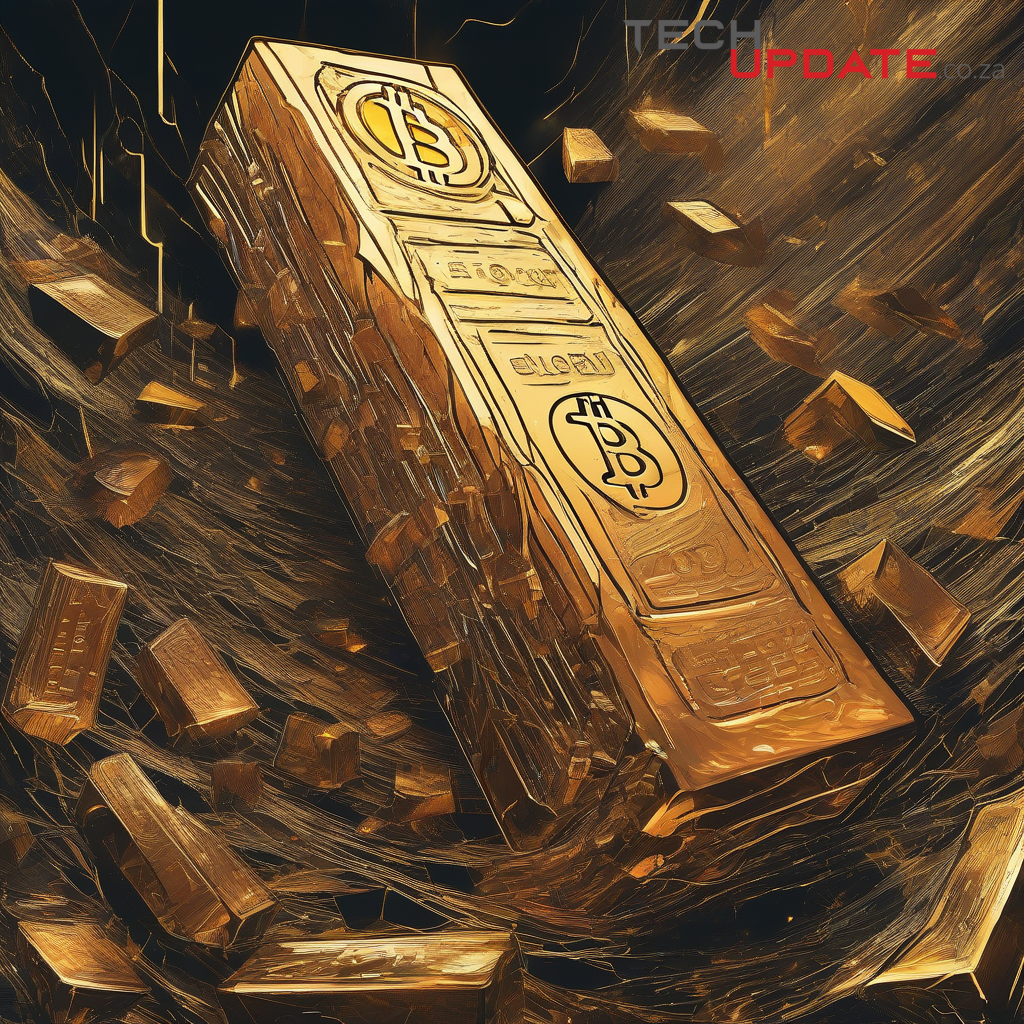
In a significant disclosure, a White House advisor has confirmed that the Department of Justice (DOJ) has refrained from selling Bitcoin seized in connection with the Samourai Wallet case. This decision is reportedly in direct adherence to Executive Order 14233, a directive issued by former President Donald Trump, which explicitly mandates that any Bitcoin obtained through criminal or civil forfeiture "shall not be sold." This revelation sheds light on the enduring influence of prior administrations' policies on current federal asset management strategies in the burgeoning digital asset space.
The Samourai Wallet Enforcement Action
The Samourai Wallet case, which saw its founders arrested on charges of money laundering and operating an unlicensed money transmitting business, resulted in the substantial forfeiture of cryptocurrency, predominantly Bitcoin. The platform, marketed as a privacy-enhancing service, allegedly facilitated illicit transactions, drawing the scrutiny of federal law enforcement agencies. The seizure of these digital assets presented the DOJ with a critical decision regarding their disposition, particularly given the volatile nature of cryptocurrency markets.
Executive Order 14233: A Precedent in Digital Asset Management
At the heart of the DOJ's decision lies Executive Order 14233, a policy implemented during the Trump administration. This order, distinct in its approach to forfeited assets, was reportedly designed to prevent the U.S. government from inadvertently influencing the cryptocurrency market by dumping large quantities of seized Bitcoin. The directive reflects a cautious stance on government intervention in digital asset markets, aiming to maintain stability and avoid potential disruptions that could arise from large-scale sales.
Historically, assets seized through forfeiture are often liquidated to fund law enforcement operations or to compensate victims. However, the unique characteristics of Bitcoin and the broader cryptocurrency ecosystem have prompted a re-evaluation of these traditional practices. The order's "shall not be sold" clause for Bitcoin sets a clear precedent, distinguishing it from other types of seized property and underscoring the perceived sensitivity of Bitcoin's market dynamics.
Implications for Future Forfeitures and Policy
The adherence to Executive Order 14233 in the Samourai case underscores a consistent, if not evolving, federal strategy regarding forfeited digital assets. This approach suggests a long-term holding strategy for such assets, rather than immediate liquidation. The ongoing retention of significant Bitcoin holdings by the government could have various implications, from potential future policy shifts to the eventual disposition of these assets under different legal or market conditions.
This situation also highlights the complex interplay between executive policy, judicial proceedings, and the practical challenges of managing novel asset classes. As digital assets become more integrated into the global financial landscape, the methods and rationale behind government asset forfeiture and management are likely to remain subjects of intense scrutiny and debate.
Summary
The Department of Justice's decision to not sell Bitcoin forfeited from the Samourai Wallet case, as confirmed by a White House advisor, is a direct consequence of Executive Order 14233. This Trump-era directive prohibits the sale of seized Bitcoin, reflecting a policy aimed at minimizing government impact on cryptocurrency markets. This approach sets a unique precedent for federal digital asset management, distinguishing Bitcoin from other forfeited assets and indicating a potential long-term holding strategy for these significant government holdings.
Resources
- CoinDesk: Reports on White House advisor statements regarding DOJ's Bitcoin forfeiture.
- The Block Crypto: Coverage on the Samourai Wallet case and subsequent asset seizures.
- Federal Register: Official publication detailing Executive Order 14233.
Details
Author
Top articles




 }})
You can now watch HBO Max for $10
Latest articles



You can now watch HBO Max for $10
DOJ Upholds Trump-Era Order, Halts Sale of Samourai Case Bitcoin
In a significant disclosure, a White House advisor has confirmed that the Department of Justice (DOJ) has refrained from selling Bitcoin seized in connection with the Samourai Wallet case. This decision is reportedly in direct adherence to Executive Order 14233, a directive issued by former President Donald Trump, which explicitly mandates that any Bitcoin obtained through criminal or civil forfeiture "shall not be sold." This revelation sheds light on the enduring influence of prior administrations' policies on current federal asset management strategies in the burgeoning digital asset space.
The Samourai Wallet Enforcement Action
The Samourai Wallet case, which saw its founders arrested on charges of money laundering and operating an unlicensed money transmitting business, resulted in the substantial forfeiture of cryptocurrency, predominantly Bitcoin. The platform, marketed as a privacy-enhancing service, allegedly facilitated illicit transactions, drawing the scrutiny of federal law enforcement agencies. The seizure of these digital assets presented the DOJ with a critical decision regarding their disposition, particularly given the volatile nature of cryptocurrency markets.
Executive Order 14233: A Precedent in Digital Asset Management
At the heart of the DOJ's decision lies Executive Order 14233, a policy implemented during the Trump administration. This order, distinct in its approach to forfeited assets, was reportedly designed to prevent the U.S. government from inadvertently influencing the cryptocurrency market by dumping large quantities of seized Bitcoin. The directive reflects a cautious stance on government intervention in digital asset markets, aiming to maintain stability and avoid potential disruptions that could arise from large-scale sales.
Historically, assets seized through forfeiture are often liquidated to fund law enforcement operations or to compensate victims. However, the unique characteristics of Bitcoin and the broader cryptocurrency ecosystem have prompted a re-evaluation of these traditional practices. The order's "shall not be sold" clause for Bitcoin sets a clear precedent, distinguishing it from other types of seized property and underscoring the perceived sensitivity of Bitcoin's market dynamics.
Implications for Future Forfeitures and Policy
The adherence to Executive Order 14233 in the Samourai case underscores a consistent, if not evolving, federal strategy regarding forfeited digital assets. This approach suggests a long-term holding strategy for such assets, rather than immediate liquidation. The ongoing retention of significant Bitcoin holdings by the government could have various implications, from potential future policy shifts to the eventual disposition of these assets under different legal or market conditions.
This situation also highlights the complex interplay between executive policy, judicial proceedings, and the practical challenges of managing novel asset classes. As digital assets become more integrated into the global financial landscape, the methods and rationale behind government asset forfeiture and management are likely to remain subjects of intense scrutiny and debate.
Summary
The Department of Justice's decision to not sell Bitcoin forfeited from the Samourai Wallet case, as confirmed by a White House advisor, is a direct consequence of Executive Order 14233. This Trump-era directive prohibits the sale of seized Bitcoin, reflecting a policy aimed at minimizing government impact on cryptocurrency markets. This approach sets a unique precedent for federal digital asset management, distinguishing Bitcoin from other forfeited assets and indicating a potential long-term holding strategy for these significant government holdings.
Resources
- CoinDesk: Reports on White House advisor statements regarding DOJ's Bitcoin forfeiture.
- The Block Crypto: Coverage on the Samourai Wallet case and subsequent asset seizures.
- Federal Register: Official publication detailing Executive Order 14233.
Top articles
You can now watch HBO Max for $10
Latest articles
You can now watch HBO Max for $10
Similar posts



This is a page that only logged-in people can visit. Don't you feel special? Try clicking on a button below to do some things you can't do when you're logged out.
Example modal
At your leisure, please peruse this excerpt from a whale of a tale.
Chapter 1: Loomings.
Call me Ishmael. Some years ago—never mind how long precisely—having little or no money in my purse, and nothing particular to interest me on shore, I thought I would sail about a little and see the watery part of the world. It is a way I have of driving off the spleen and regulating the circulation. Whenever I find myself growing grim about the mouth; whenever it is a damp, drizzly November in my soul; whenever I find myself involuntarily pausing before coffin warehouses, and bringing up the rear of every funeral I meet; and especially whenever my hypos get such an upper hand of me, that it requires a strong moral principle to prevent me from deliberately stepping into the street, and methodically knocking people's hats off—then, I account it high time to get to sea as soon as I can. This is my substitute for pistol and ball. With a philosophical flourish Cato throws himself upon his sword; I quietly take to the ship. There is nothing surprising in this. If they but knew it, almost all men in their degree, some time or other, cherish very nearly the same feelings towards the ocean with me.
Comment