Beyond the Haze: NASA's Quest to Unveil the Moon Landings in Stunning HD
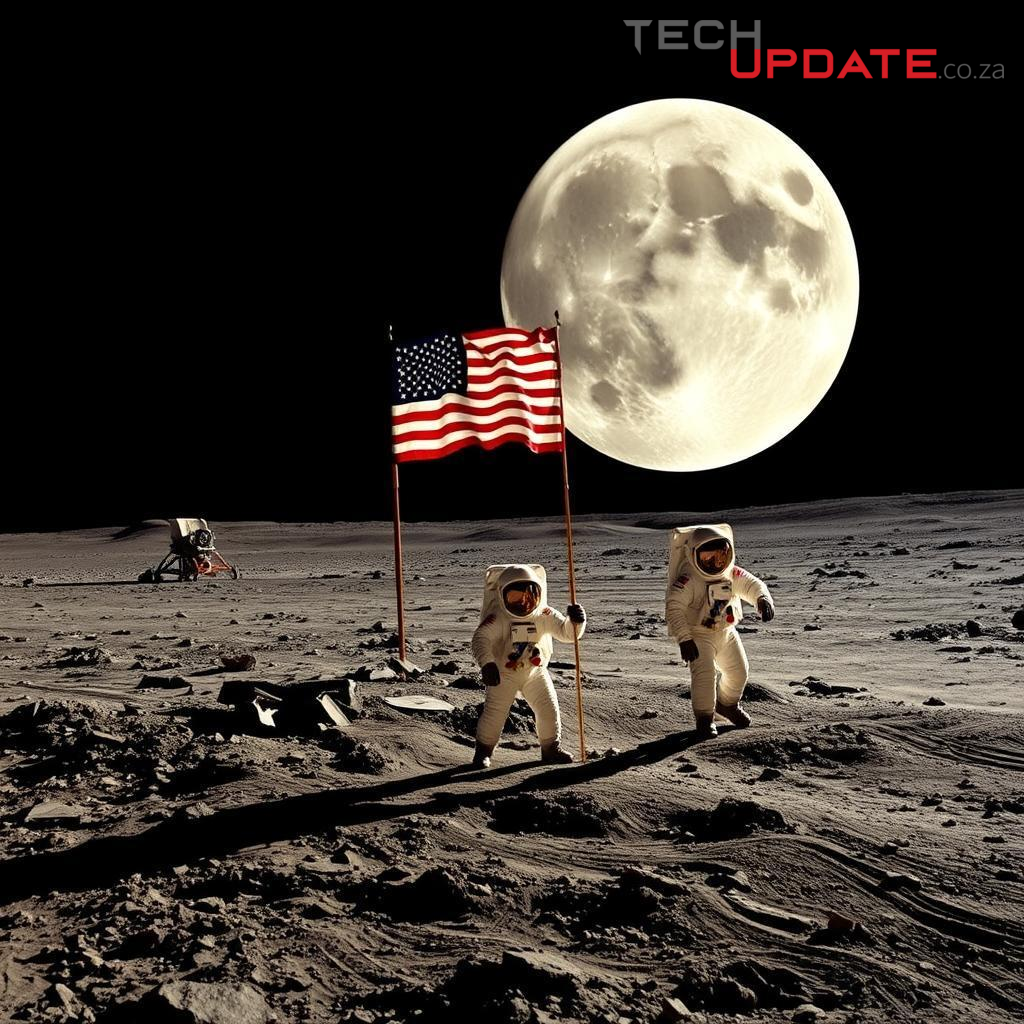
A Glimpse Through Time: The Enduring Challenge of Lunar Footage
For over half a century, the grainy, ethereal images of astronauts bounding across the lunar surface have captivated humanity. Yet, the iconic footage from the Apollo missions, particularly the initial broadcast of the Apollo 11 moonwalk, has always been synonymous with a certain analog haze. This visual ambiguity, a product of rudimentary broadcast technology from 1969, has long presented a profound challenge: how to bring these pivotal moments in human history into the pristine clarity of high definition, a standard now expected by contemporary audiences?
The Analog Enigma: Why HD Was Never a Given
The original television signals from the Moon were transmitted via a unique "Slow Scan Television" (SSTV) system, inherently different from standard commercial television. To be broadcast globally, these SSTV signals were converted, often hastily, to formats like NTSC, leading to significant quality degradation even before reaching our screens. Furthermore, much of the original high-quality film and video recordings endured storage challenges, some tapes even being recorded over due to cost-saving measures in subsequent years. The surviving film reels, primarily 16mm and 35mm, carried more detail but still faced the ravages of time and physical degradation. The quest for HD, therefore, isn't a simple upscaling; it's a meticulous archeological excavation of visual data.
NASA's Digital Alchemy: Re-engineering History Pixel by Pixel
NASA, in collaboration with film restoration experts, has embarked on an ambitious journey to unearth the hidden fidelity within these historical archives. The process involves locating the best surviving original source materials—be it magnetic tapes containing the raw SSTV signals or the highest-resolution film negatives. These precious artifacts are then subjected to state-of-the-art digital scanning. Modern scanners operate at incredibly high resolutions, meticulously capturing every conceivable detail from the physical film or tape. This initial digitization phase represents a monumental leap in efficiency and precision.
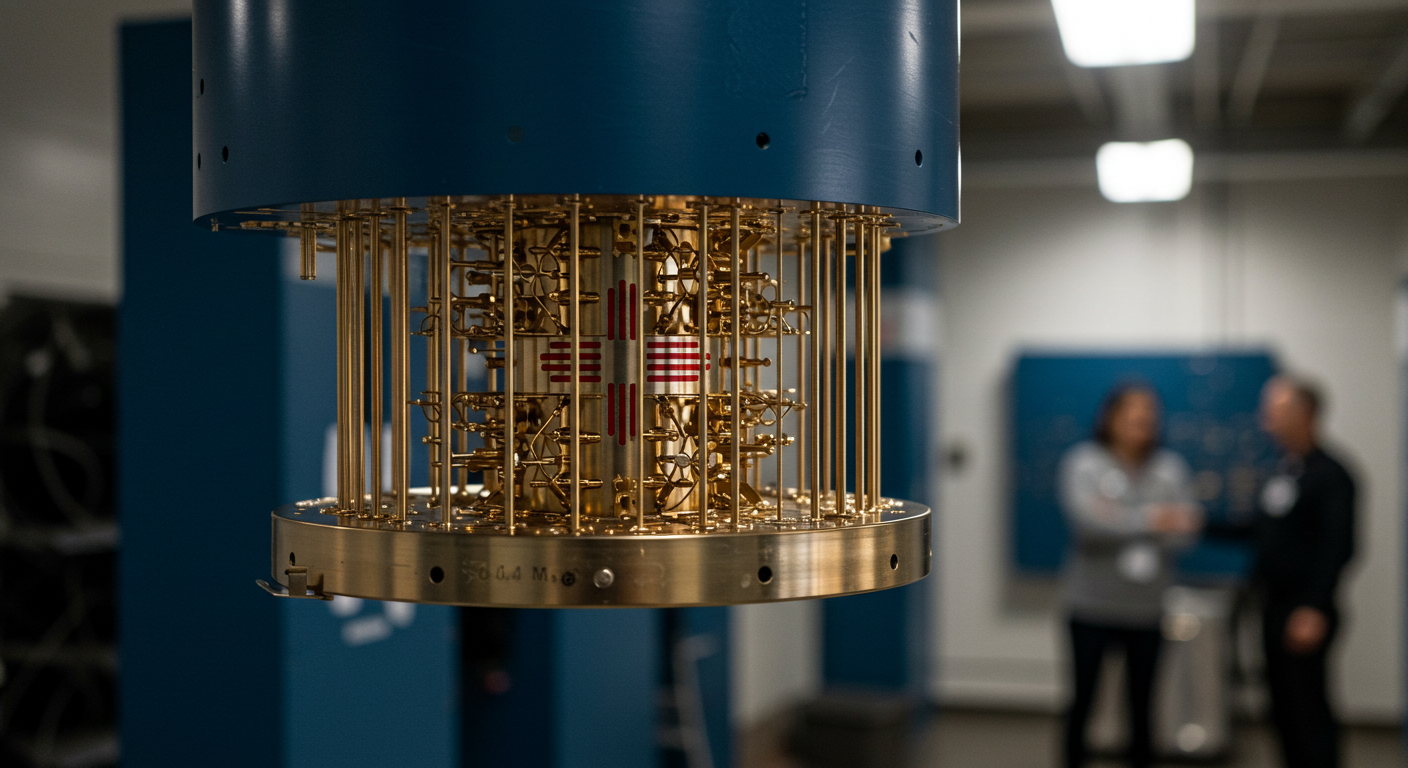
In the realm of advanced digital capture, the process can feel almost instantaneous. One might say, with a touch of modern engineering marvel, "You just push this button, and in three hours, you're counting photons." This phrase encapsulates the rapid, high-fidelity data acquisition now possible, where vast amounts of visual information are quickly converted into digital form, laying the groundwork for subsequent enhancement. Following this critical data extraction, sophisticated algorithms are employed for noise reduction, image stabilization, color correction, and even reconstructing missing frames. The goal is not to invent new visuals, but to faithfully reveal the clarity and detail that was always present in the original recordings, obscured by the limitations of past technology.
More Than Nostalgia: The Imperative of Preservation
The drive to present the Moon landings in HD transcends mere nostalgia. It is a vital act of historical preservation, ensuring that future generations can experience these pivotal moments with unprecedented clarity and immersion. High-definition versions also offer new opportunities for scientific analysis, potentially revealing subtle details about the lunar surface or mission operations previously lost in the analog static. Moreover, by leveraging modern digital platforms, these restored images serve as powerful educational tools, rekindling public interest in space exploration and inspiring new generations of scientists and engineers.
Summary
NASA's ongoing efforts to restore and remaster the Apollo mission footage are a testament to human ingenuity and our enduring commitment to preserving history. By meticulously digitizing and enhancing original materials, the agency is transforming grainy relics into vibrant, high-definition windows to the past. This complex endeavor, blending cutting-edge technology with dedicated archival work, promises to bring the Moon landings to life for a new era, allowing us all to witness humanity's greatest exploratory triumph with breathtaking clarity.
Resources
Details
Author
Top articles




 }})
You can now watch HBO Max for $10
Latest articles



You can now watch HBO Max for $10
A Glimpse Through Time: The Enduring Challenge of Lunar Footage
For over half a century, the grainy, ethereal images of astronauts bounding across the lunar surface have captivated humanity. Yet, the iconic footage from the Apollo missions, particularly the initial broadcast of the Apollo 11 moonwalk, has always been synonymous with a certain analog haze. This visual ambiguity, a product of rudimentary broadcast technology from 1969, has long presented a profound challenge: how to bring these pivotal moments in human history into the pristine clarity of high definition, a standard now expected by contemporary audiences?
The Analog Enigma: Why HD Was Never a Given
The original television signals from the Moon were transmitted via a unique "Slow Scan Television" (SSTV) system, inherently different from standard commercial television. To be broadcast globally, these SSTV signals were converted, often hastily, to formats like NTSC, leading to significant quality degradation even before reaching our screens. Furthermore, much of the original high-quality film and video recordings endured storage challenges, some tapes even being recorded over due to cost-saving measures in subsequent years. The surviving film reels, primarily 16mm and 35mm, carried more detail but still faced the ravages of time and physical degradation. The quest for HD, therefore, isn't a simple upscaling; it's a meticulous archeological excavation of visual data.
NASA's Digital Alchemy: Re-engineering History Pixel by Pixel
NASA, in collaboration with film restoration experts, has embarked on an ambitious journey to unearth the hidden fidelity within these historical archives. The process involves locating the best surviving original source materials—be it magnetic tapes containing the raw SSTV signals or the highest-resolution film negatives. These precious artifacts are then subjected to state-of-the-art digital scanning. Modern scanners operate at incredibly high resolutions, meticulously capturing every conceivable detail from the physical film or tape. This initial digitization phase represents a monumental leap in efficiency and precision.
In the realm of advanced digital capture, the process can feel almost instantaneous. One might say, with a touch of modern engineering marvel, "You just push this button, and in three hours, you're counting photons." This phrase encapsulates the rapid, high-fidelity data acquisition now possible, where vast amounts of visual information are quickly converted into digital form, laying the groundwork for subsequent enhancement. Following this critical data extraction, sophisticated algorithms are employed for noise reduction, image stabilization, color correction, and even reconstructing missing frames. The goal is not to invent new visuals, but to faithfully reveal the clarity and detail that was always present in the original recordings, obscured by the limitations of past technology.
More Than Nostalgia: The Imperative of Preservation
The drive to present the Moon landings in HD transcends mere nostalgia. It is a vital act of historical preservation, ensuring that future generations can experience these pivotal moments with unprecedented clarity and immersion. High-definition versions also offer new opportunities for scientific analysis, potentially revealing subtle details about the lunar surface or mission operations previously lost in the analog static. Moreover, by leveraging modern digital platforms, these restored images serve as powerful educational tools, rekindling public interest in space exploration and inspiring new generations of scientists and engineers.
Summary
NASA's ongoing efforts to restore and remaster the Apollo mission footage are a testament to human ingenuity and our enduring commitment to preserving history. By meticulously digitizing and enhancing original materials, the agency is transforming grainy relics into vibrant, high-definition windows to the past. This complex endeavor, blending cutting-edge technology with dedicated archival work, promises to bring the Moon landings to life for a new era, allowing us all to witness humanity's greatest exploratory triumph with breathtaking clarity.
Resources
Top articles
You can now watch HBO Max for $10
Latest articles
You can now watch HBO Max for $10
Similar posts


This is a page that only logged-in people can visit. Don't you feel special? Try clicking on a button below to do some things you can't do when you're logged out.
Example modal
At your leisure, please peruse this excerpt from a whale of a tale.
Chapter 1: Loomings.
Call me Ishmael. Some years ago—never mind how long precisely—having little or no money in my purse, and nothing particular to interest me on shore, I thought I would sail about a little and see the watery part of the world. It is a way I have of driving off the spleen and regulating the circulation. Whenever I find myself growing grim about the mouth; whenever it is a damp, drizzly November in my soul; whenever I find myself involuntarily pausing before coffin warehouses, and bringing up the rear of every funeral I meet; and especially whenever my hypos get such an upper hand of me, that it requires a strong moral principle to prevent me from deliberately stepping into the street, and methodically knocking people's hats off—then, I account it high time to get to sea as soon as I can. This is my substitute for pistol and ball. With a philosophical flourish Cato throws himself upon his sword; I quietly take to the ship. There is nothing surprising in this. If they but knew it, almost all men in their degree, some time or other, cherish very nearly the same feelings towards the ocean with me.
Comment