PlayStation's Digital-Only Future: Sony Cites Consumer Preferences for Phasing Out Game Discs by 2028
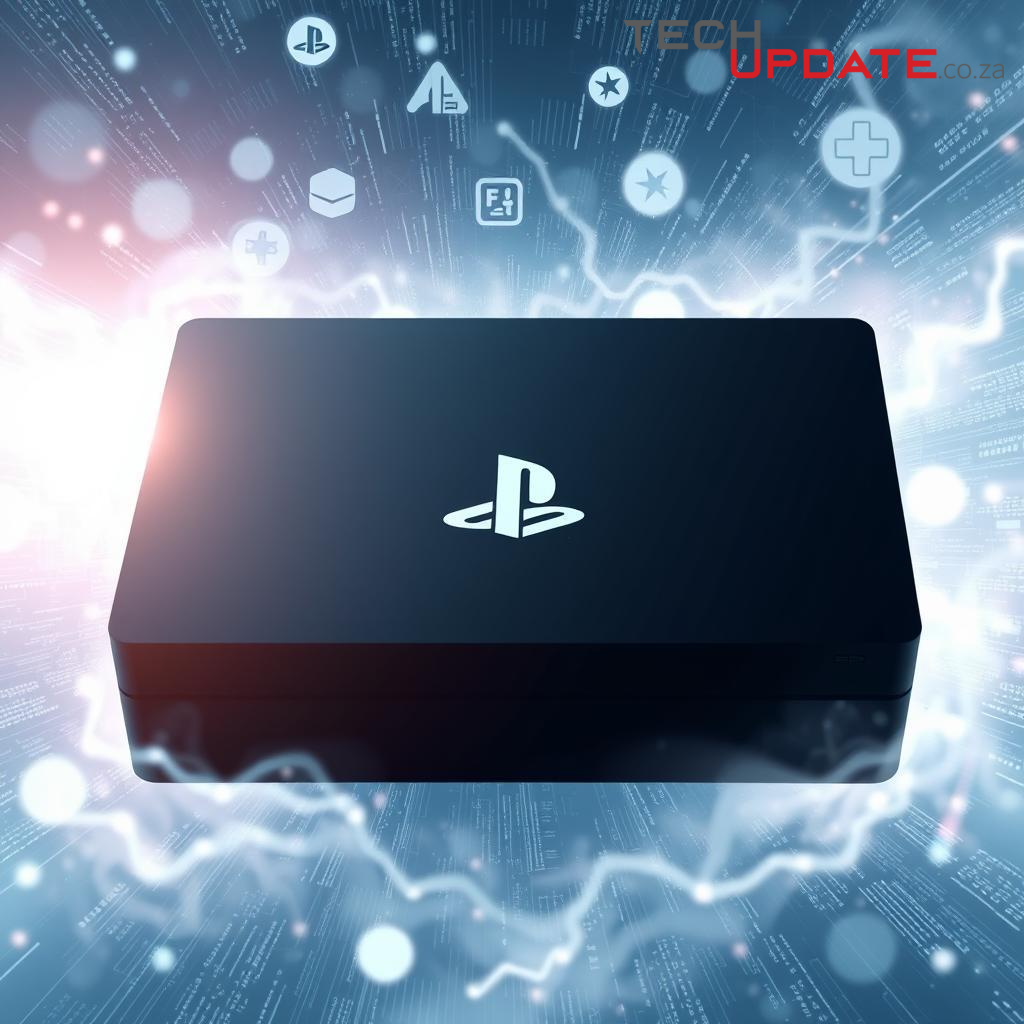
In a significant strategic shift poised to reshape the gaming landscape, Sony Interactive Entertainment is reportedly ceasing the production of physical discs for PlayStation games, effective January 2028. This move, which will see all future PlayStation titles exclusively available digitally, is attributed by the company to evolving "consumer preferences." While games will continue to be sold at retail, these will strictly be digital codes or vouchers, marking the end of an era for physical media enthusiasts.
The Inevitable Digital Current in Gaming
The transition away from physical media in the video game industry is not an isolated event but rather the culmination of a decade-long shift towards digital distribution. Data consistently indicates a dominant preference for digital purchases among consumers, driven by factors such as convenience, instant accessibility, and the elimination of physical clutter. The ease of downloading games directly to consoles, often pre-loading titles before release, has increasingly outpaced the traditional trip to a retail store for a physical disc.
Industry reports from entities like GamesIndustry.biz frequently highlight the overwhelming market share held by digital sales across major gaming regions. This trend has been steadily accelerating, with many publishers now reporting digital revenue streams far surpassing those from physical units. Sony itself offered a glimpse into this future with the launch of the PlayStation 5 Digital Edition, a console designed entirely without a disc drive, signaling a readiness to embrace a purely digital ecosystem.
Consumer Preferences: A Driving Force
The stated reason for Sony’s decision – "consumer preferences" – reflects a genuine and measurable trend. Modern gamers often prioritize the immediate gratification of digital downloads, the ability to switch between games without disc swapping, and the absence of physical storage concerns. Furthermore, the rising adoption of subscription services and digital storefront sales events reinforces the economic and practical appeal of a disc-less library. While a segment of the gaming community cherishes physical collections for their aesthetic and archival value, the broader market has clearly signaled its leanings.
Implications for the Gaming Ecosystem
This strategic pivot carries wide-ranging implications:
- Game Ownership and Preservation: The shift intensifies debates around true game ownership in a digital-only world. Concerns about long-term access, server shutdowns, and the inability to resell or lend games become more pronounced.
- Retail Landscape Transformation: Traditional game retailers will adapt by focusing on console hardware, accessories, and digital gift cards or codes. The physical media section, once a cornerstone, will fully transform.
- Environmental Impact: Eliminating disc production, packaging, and physical distribution could contribute to a reduced carbon footprint, aligning with broader corporate sustainability goals.
- Developer and Publisher Dynamics: Reduced manufacturing and shipping costs could potentially lead to higher profit margins for publishers and developers, though concerns about storefront fees and digital marketplace competition persist.
A Future Without Discs: Precedent and Prognosis
Sony is not the first to venture further into a digital-only realm, nor will it be the last. The PC gaming market has operated almost entirely digitally for well over a decade, with platforms like Steam dominating. For consoles, the PlayStation 5 Digital Edition served as a crucial precursor, demonstrating market readiness and consumer acceptance for disc-less hardware. This impending cessation of disc production by 2028 therefore represents not a radical departure, but a significant acceleration and formalization of an existing industry trajectory.
Summary
Sony's reported decision to cease PlayStation game disc production by January 2028, driven by "consumer preferences," marks a definitive step towards a fully digital future for its gaming ecosystem. This move aligns with broader industry trends showcasing the overwhelming dominance of digital sales and the practical benefits they offer to a vast majority of gamers. While raising questions about game ownership and the evolving retail landscape, it underscores a clear vision for PlayStation’s path forward in an increasingly digital world.
Resources
- GamesIndustry.biz: The Year in Numbers 2023
- Eurogamer: Has the PS5 Digital Edition been a success?
- Statista: Digital games revenue worldwide
Details
Author
Top articles





 }})
You can now watch HBO Max for $10
Latest articles




You can now watch HBO Max for $10
In a significant strategic shift poised to reshape the gaming landscape, Sony Interactive Entertainment is reportedly ceasing the production of physical discs for PlayStation games, effective January 2028. This move, which will see all future PlayStation titles exclusively available digitally, is attributed by the company to evolving "consumer preferences." While games will continue to be sold at retail, these will strictly be digital codes or vouchers, marking the end of an era for physical media enthusiasts.
The Inevitable Digital Current in Gaming
The transition away from physical media in the video game industry is not an isolated event but rather the culmination of a decade-long shift towards digital distribution. Data consistently indicates a dominant preference for digital purchases among consumers, driven by factors such as convenience, instant accessibility, and the elimination of physical clutter. The ease of downloading games directly to consoles, often pre-loading titles before release, has increasingly outpaced the traditional trip to a retail store for a physical disc.
Industry reports from entities like GamesIndustry.biz frequently highlight the overwhelming market share held by digital sales across major gaming regions. This trend has been steadily accelerating, with many publishers now reporting digital revenue streams far surpassing those from physical units. Sony itself offered a glimpse into this future with the launch of the PlayStation 5 Digital Edition, a console designed entirely without a disc drive, signaling a readiness to embrace a purely digital ecosystem.
Consumer Preferences: A Driving Force
The stated reason for Sony’s decision – "consumer preferences" – reflects a genuine and measurable trend. Modern gamers often prioritize the immediate gratification of digital downloads, the ability to switch between games without disc swapping, and the absence of physical storage concerns. Furthermore, the rising adoption of subscription services and digital storefront sales events reinforces the economic and practical appeal of a disc-less library. While a segment of the gaming community cherishes physical collections for their aesthetic and archival value, the broader market has clearly signaled its leanings.
Implications for the Gaming Ecosystem
This strategic pivot carries wide-ranging implications:
- Game Ownership and Preservation: The shift intensifies debates around true game ownership in a digital-only world. Concerns about long-term access, server shutdowns, and the inability to resell or lend games become more pronounced.
- Retail Landscape Transformation: Traditional game retailers will adapt by focusing on console hardware, accessories, and digital gift cards or codes. The physical media section, once a cornerstone, will fully transform.
- Environmental Impact: Eliminating disc production, packaging, and physical distribution could contribute to a reduced carbon footprint, aligning with broader corporate sustainability goals.
- Developer and Publisher Dynamics: Reduced manufacturing and shipping costs could potentially lead to higher profit margins for publishers and developers, though concerns about storefront fees and digital marketplace competition persist.
A Future Without Discs: Precedent and Prognosis
Sony is not the first to venture further into a digital-only realm, nor will it be the last. The PC gaming market has operated almost entirely digitally for well over a decade, with platforms like Steam dominating. For consoles, the PlayStation 5 Digital Edition served as a crucial precursor, demonstrating market readiness and consumer acceptance for disc-less hardware. This impending cessation of disc production by 2028 therefore represents not a radical departure, but a significant acceleration and formalization of an existing industry trajectory.
Summary
Sony's reported decision to cease PlayStation game disc production by January 2028, driven by "consumer preferences," marks a definitive step towards a fully digital future for its gaming ecosystem. This move aligns with broader industry trends showcasing the overwhelming dominance of digital sales and the practical benefits they offer to a vast majority of gamers. While raising questions about game ownership and the evolving retail landscape, it underscores a clear vision for PlayStation’s path forward in an increasingly digital world.
Resources
- GamesIndustry.biz: The Year in Numbers 2023
- Eurogamer: Has the PS5 Digital Edition been a success?
- Statista: Digital games revenue worldwide
Top articles
You can now watch HBO Max for $10
Latest articles
You can now watch HBO Max for $10
Similar posts




This is a page that only logged-in people can visit. Don't you feel special? Try clicking on a button below to do some things you can't do when you're logged out.
Example modal
At your leisure, please peruse this excerpt from a whale of a tale.
Chapter 1: Loomings.
Call me Ishmael. Some years ago—never mind how long precisely—having little or no money in my purse, and nothing particular to interest me on shore, I thought I would sail about a little and see the watery part of the world. It is a way I have of driving off the spleen and regulating the circulation. Whenever I find myself growing grim about the mouth; whenever it is a damp, drizzly November in my soul; whenever I find myself involuntarily pausing before coffin warehouses, and bringing up the rear of every funeral I meet; and especially whenever my hypos get such an upper hand of me, that it requires a strong moral principle to prevent me from deliberately stepping into the street, and methodically knocking people's hats off—then, I account it high time to get to sea as soon as I can. This is my substitute for pistol and ball. With a philosophical flourish Cato throws himself upon his sword; I quietly take to the ship. There is nothing surprising in this. If they but knew it, almost all men in their degree, some time or other, cherish very nearly the same feelings towards the ocean with me.
Comment