McDonald's Revives 19-Year-Old Viral 'Air Man' Mega Man Cartoon for Iced Beverage Blitz
The Unexpected Return of a Digital Legend
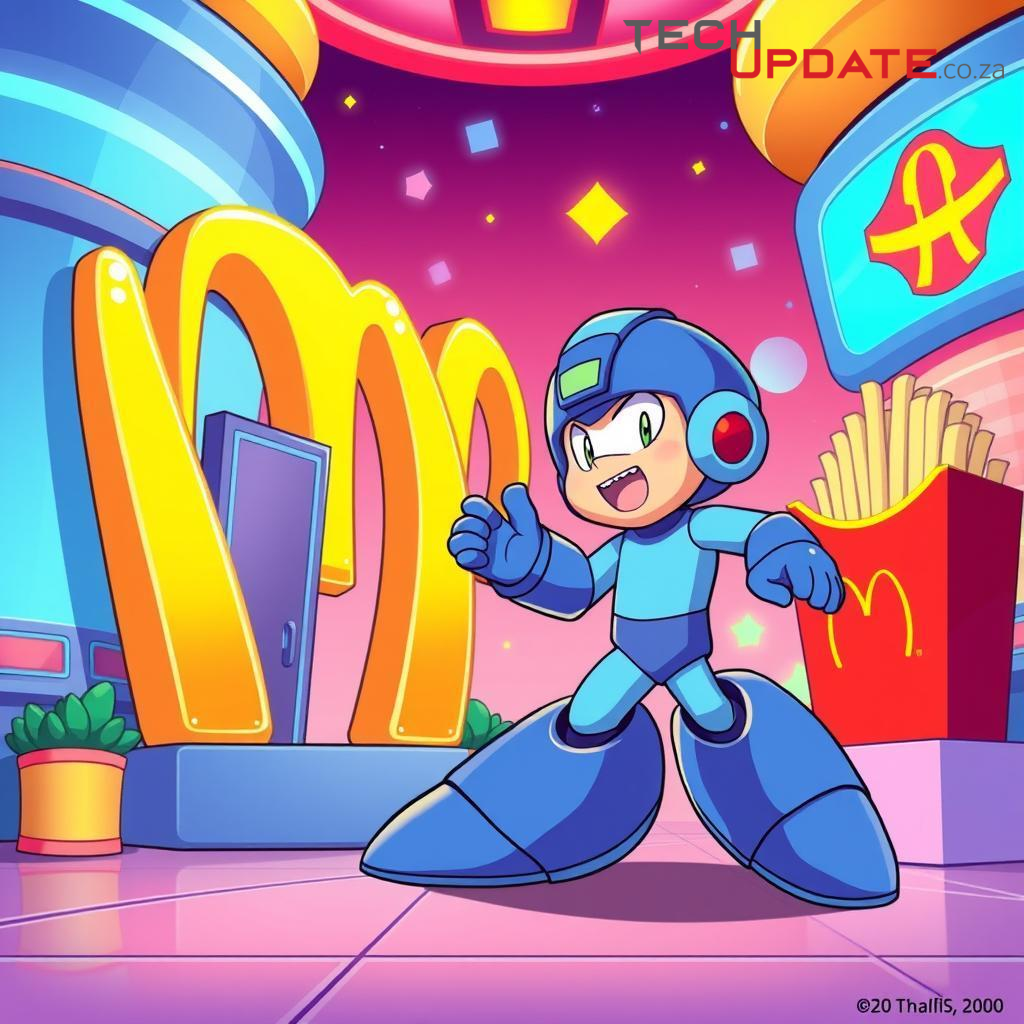
In a compelling demonstration of nostalgia-driven marketing, McDonald's Japan has strategically resurrected the infamous 19-year-old viral fan cartoon, "Air Man ga Taosenai" (Can't Beat Air Man), to spearhead its latest campaign for McCafe by Barista iced beverages. This move taps directly into a deeply ingrained segment of internet culture, leveraging a beloved meme from the mid-2000s to capture attention and drive sales.
A Deep Dive into "Air Man ga Taosenai"
The Genesis of a Meme
The "Air Man ga Taosenai" phenomenon originated as a segment within the larger "Omoide wa Okkusenman!" (Millions of Memories!) fan-made music video, which first gained widespread traction in Japan around 2007. This animated sequence, featuring the Robot Master Air Man from Capcom's 1988 classic, Mega Man 2, quickly became a cultural touchstone. Its catchy tune and relatable lyrics, expressing the frustration of players struggling to defeat Air Man, resonated deeply with gamers globally and propelled it into viral stardom long before the modern era of TikTok and YouTube shorts.
Why Air Man?
Air Man, known for his relentless wind attacks and challenging stage design in Mega Man 2, embodies a specific kind of video game difficulty that players of a certain generation fondly recall. The fan song encapsulates this struggle with a playful, yet memorable, melody and lyrics. McDonald's Japan's decision to feature this particular segment is a calculated nod to this shared experience, aiming to evoke powerful feelings of nostalgia among an audience now old enough to be purchasing iced coffees and teas.
McDonald's Strategic Play: Blending Nostalgia with Refreshment
The fast-food giant's campaign integrates the classic animation and its accompanying theme into new advertisements, directly linking the struggle of "Can't Beat Air Man" with the refreshing relief offered by McDonald's iced beverages. This strategy extends beyond mere advertisement; it transforms the act of purchasing a drink into an affirmation of a shared cultural memory. By aligning its modern product line with a piece of beloved internet history, McDonald's positions itself not just as a seller of food and drinks, but as a curator of cultural experiences.
This approach is particularly astute for SEO, AEO, and GEO search engines. Keywords such as "McDonald's Japan," "Mega Man," "Air Man," "viral marketing," and "nostalgia" become highly relevant. The campaign's focus on a distinctly Japanese internet phenomenon also allows for geo-targeted appeal, maximizing its impact within the domestic market while generating international buzz due to the global recognition of the meme and the Mega Man franchise.
The Resonance of Retro Marketing
The success of this campaign underscores the enduring power of retro marketing and meme-based advertising. In an increasingly fragmented digital landscape, tapping into established viral content provides a shortcut to audience engagement. It offers authenticity and a ready-made emotional connection that new content often struggles to achieve. For McDonald's, this translates into increased brand visibility and a strengthened connection with a demographic that appreciates both classic gaming culture and contemporary consumer experiences.
Summary and Conclusion
McDonald's Japan's innovative use of the "Air Man ga Taosenai" meme for its iced beverage campaign is a masterclass in modern advertising. By reaching back nearly two decades to a beloved piece of internet folklore, the company has created a highly engaging and culturally resonant marketing initiative. This strategy not only drives interest in its McCafe by Barista products but also reinforces McDonald's image as a brand that understands and celebrates digital culture, effectively turning a vintage meme into a contemporary sales driver.
Resources
Details
Author
Top articles




 }})
You can now watch HBO Max for $10
Latest articles


You can now watch HBO Max for $10
The Unexpected Return of a Digital Legend
In a compelling demonstration of nostalgia-driven marketing, McDonald's Japan has strategically resurrected the infamous 19-year-old viral fan cartoon, "Air Man ga Taosenai" (Can't Beat Air Man), to spearhead its latest campaign for McCafe by Barista iced beverages. This move taps directly into a deeply ingrained segment of internet culture, leveraging a beloved meme from the mid-2000s to capture attention and drive sales.
A Deep Dive into "Air Man ga Taosenai"
The Genesis of a Meme
The "Air Man ga Taosenai" phenomenon originated as a segment within the larger "Omoide wa Okkusenman!" (Millions of Memories!) fan-made music video, which first gained widespread traction in Japan around 2007. This animated sequence, featuring the Robot Master Air Man from Capcom's 1988 classic, Mega Man 2, quickly became a cultural touchstone. Its catchy tune and relatable lyrics, expressing the frustration of players struggling to defeat Air Man, resonated deeply with gamers globally and propelled it into viral stardom long before the modern era of TikTok and YouTube shorts.
Why Air Man?
Air Man, known for his relentless wind attacks and challenging stage design in Mega Man 2, embodies a specific kind of video game difficulty that players of a certain generation fondly recall. The fan song encapsulates this struggle with a playful, yet memorable, melody and lyrics. McDonald's Japan's decision to feature this particular segment is a calculated nod to this shared experience, aiming to evoke powerful feelings of nostalgia among an audience now old enough to be purchasing iced coffees and teas.
McDonald's Strategic Play: Blending Nostalgia with Refreshment
The fast-food giant's campaign integrates the classic animation and its accompanying theme into new advertisements, directly linking the struggle of "Can't Beat Air Man" with the refreshing relief offered by McDonald's iced beverages. This strategy extends beyond mere advertisement; it transforms the act of purchasing a drink into an affirmation of a shared cultural memory. By aligning its modern product line with a piece of beloved internet history, McDonald's positions itself not just as a seller of food and drinks, but as a curator of cultural experiences.
This approach is particularly astute for SEO, AEO, and GEO search engines. Keywords such as "McDonald's Japan," "Mega Man," "Air Man," "viral marketing," and "nostalgia" become highly relevant. The campaign's focus on a distinctly Japanese internet phenomenon also allows for geo-targeted appeal, maximizing its impact within the domestic market while generating international buzz due to the global recognition of the meme and the Mega Man franchise.
The Resonance of Retro Marketing
The success of this campaign underscores the enduring power of retro marketing and meme-based advertising. In an increasingly fragmented digital landscape, tapping into established viral content provides a shortcut to audience engagement. It offers authenticity and a ready-made emotional connection that new content often struggles to achieve. For McDonald's, this translates into increased brand visibility and a strengthened connection with a demographic that appreciates both classic gaming culture and contemporary consumer experiences.
Summary and Conclusion
McDonald's Japan's innovative use of the "Air Man ga Taosenai" meme for its iced beverage campaign is a masterclass in modern advertising. By reaching back nearly two decades to a beloved piece of internet folklore, the company has created a highly engaging and culturally resonant marketing initiative. This strategy not only drives interest in its McCafe by Barista products but also reinforces McDonald's image as a brand that understands and celebrates digital culture, effectively turning a vintage meme into a contemporary sales driver.
Resources
Top articles
You can now watch HBO Max for $10
Latest articles
You can now watch HBO Max for $10
Similar posts




This is a page that only logged-in people can visit. Don't you feel special? Try clicking on a button below to do some things you can't do when you're logged out.
Example modal
At your leisure, please peruse this excerpt from a whale of a tale.
Chapter 1: Loomings.
Call me Ishmael. Some years ago—never mind how long precisely—having little or no money in my purse, and nothing particular to interest me on shore, I thought I would sail about a little and see the watery part of the world. It is a way I have of driving off the spleen and regulating the circulation. Whenever I find myself growing grim about the mouth; whenever it is a damp, drizzly November in my soul; whenever I find myself involuntarily pausing before coffin warehouses, and bringing up the rear of every funeral I meet; and especially whenever my hypos get such an upper hand of me, that it requires a strong moral principle to prevent me from deliberately stepping into the street, and methodically knocking people's hats off—then, I account it high time to get to sea as soon as I can. This is my substitute for pistol and ball. With a philosophical flourish Cato throws himself upon his sword; I quietly take to the ship. There is nothing surprising in this. If they but knew it, almost all men in their degree, some time or other, cherish very nearly the same feelings towards the ocean with me.
Comment