Unauthorized Access Rocks Anthropic's Claude Mythos: Cybersecurity AI Tool Under Scrutiny Amidst Security Breach Claims

Introduction
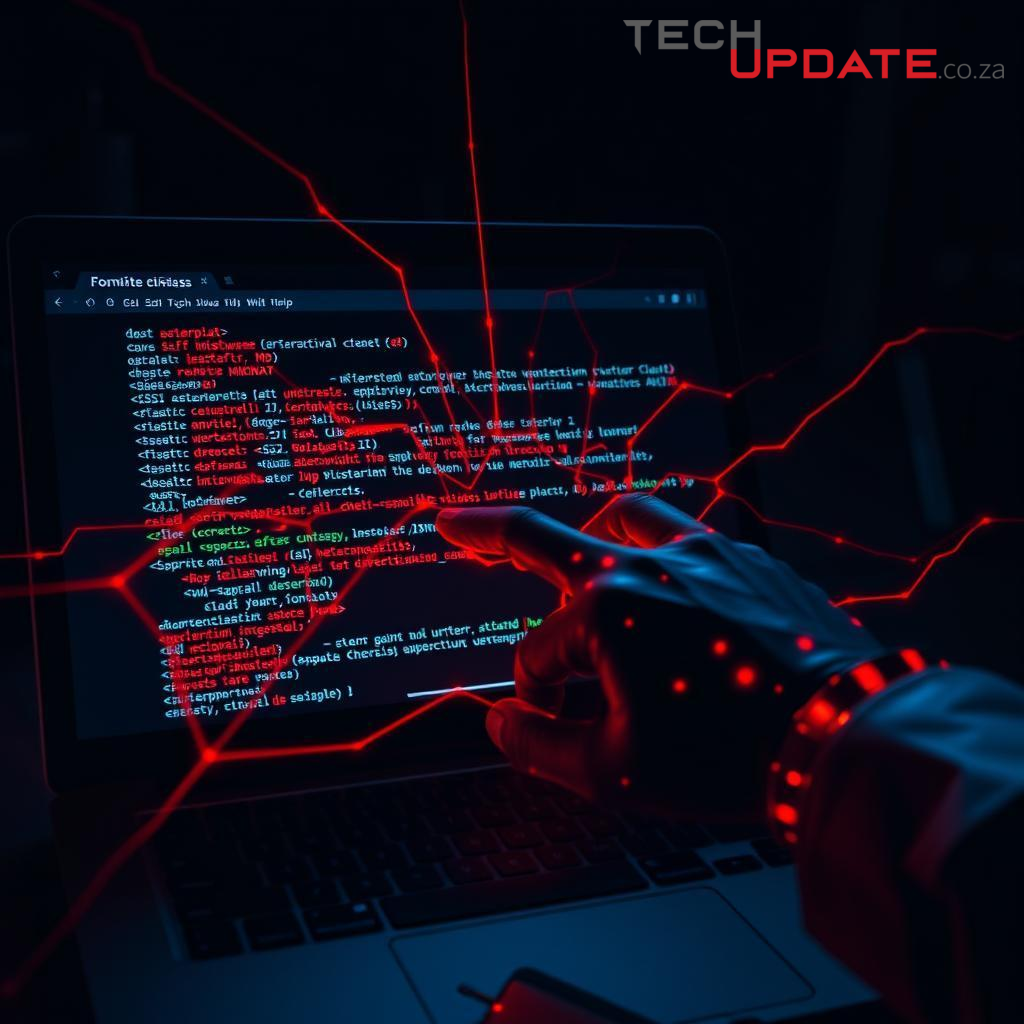
Anthropic, a prominent artificial intelligence developer, is currently investigating reports of "unauthorized access" to its highly touted Claude Mythos model. This advanced cybersecurity tool, designed to identify software vulnerabilities, has reportedly been accessed by an external group through a third-party contractor portal, raising significant questions about the security posture of cutting-edge AI systems.
The Genesis of Mythos: Project Glasswing
The Claude Mythos Preview was unveiled earlier this month as a cornerstone of "Project Glasswing." This initiative saw Anthropic collaborate with a select cohort of trusted partners, including tech giants like Amazon, Microsoft, Apple, and Cisco, alongside organizations such as Mozilla. Mozilla notably reported that Mythos aided in discovering and patching 271 vulnerabilities within its Firefox browser, underscoring the model's formidable capabilities. The tool's potential has garnered significant interest from numerous banks and government agencies seeking to bolster their own digital defenses.
Details of the Breach
Reports indicate that a group, purportedly communicating via a private Discord chat, gained entry to Mythos. Their method reportedly involved leveraging a developer portal and making an "educated guess" about the model's digital location. While the group's intentions are reportedly benign—focused on exploring the models rather than malicious exploitation—the unauthorized nature of the access remains a critical concern. Speculation also suggests this group may have accessed other unreleased Anthropic models. Anthropic confirmed the investigation in a statement, noting, "We're investigating a report claiming unauthorized access to Claude Mythos Previous through one of our third-party vendor environments."
Industry Implications and Security Concerns
Mythos has garnered considerable attention for its capacity to pinpoint security flaws in operating systems and and internet browsers. This capability, while promising for defensive strategies, has simultaneously fueled skepticism among some security researchers regarding its reliability and sparked fears that AI-driven cyberattacks could evolve into a tangible threat. Alex Zenla, CTO of cloud security firm Edera, reportedly highlighted such concerns to Wired, warning of the potential for AI-generated threats. Furthermore, Anthropic itself was recently designated a "supply chain risk" by the US Department of Defense, a label the company is actively seeking to have removed through ongoing discussions with the Trump administration. The incident underscores the inherent risks and complexities involved in deploying powerful AI systems in sensitive areas like cybersecurity.
Summary
The reported unauthorized access to Anthropic's Claude Mythos model represents a critical juncture for AI security. While the AI tool demonstrates immense potential in identifying vulnerabilities, the breach highlights the persistent challenge of securing advanced models, especially when accessed through third-party channels. This event necessitates a renewed focus on robust security protocols for AI development and deployment, particularly as such powerful tools become integral to national security and critical infrastructure.
Resources
- ZDNet: "Anthropic investigates unauthorized access to its Claude Mythos AI tool" - https://www.zdnet.com/article/anthropic-investigates-unauthorized-access-to-its-claude-mythos-ai-tool/
- Wired: "Anthropic’s New AI Will Scan for Software Bugs. But Is It Secure?" - https://www.wired.com/story/anthropic-ai-software-bugs-security-mythos-project-glasswing/
- Mozilla Security Blog: "How Mozilla is using AI to improve security and find bugs" - https://blog.mozilla.org/security/2024/05/01/how-mozilla-is-using-ai-to-improve-security-and-find-bugs/
Details
Author
Top articles



 }})
You can now watch HBO Max for $10
Latest articles





You can now watch HBO Max for $10
Introduction
Anthropic, a prominent artificial intelligence developer, is currently investigating reports of "unauthorized access" to its highly touted Claude Mythos model. This advanced cybersecurity tool, designed to identify software vulnerabilities, has reportedly been accessed by an external group through a third-party contractor portal, raising significant questions about the security posture of cutting-edge AI systems.
The Genesis of Mythos: Project Glasswing
The Claude Mythos Preview was unveiled earlier this month as a cornerstone of "Project Glasswing." This initiative saw Anthropic collaborate with a select cohort of trusted partners, including tech giants like Amazon, Microsoft, Apple, and Cisco, alongside organizations such as Mozilla. Mozilla notably reported that Mythos aided in discovering and patching 271 vulnerabilities within its Firefox browser, underscoring the model's formidable capabilities. The tool's potential has garnered significant interest from numerous banks and government agencies seeking to bolster their own digital defenses.
Details of the Breach
Reports indicate that a group, purportedly communicating via a private Discord chat, gained entry to Mythos. Their method reportedly involved leveraging a developer portal and making an "educated guess" about the model's digital location. While the group's intentions are reportedly benign—focused on exploring the models rather than malicious exploitation—the unauthorized nature of the access remains a critical concern. Speculation also suggests this group may have accessed other unreleased Anthropic models. Anthropic confirmed the investigation in a statement, noting, "We're investigating a report claiming unauthorized access to Claude Mythos Previous through one of our third-party vendor environments."
Industry Implications and Security Concerns
Mythos has garnered considerable attention for its capacity to pinpoint security flaws in operating systems and and internet browsers. This capability, while promising for defensive strategies, has simultaneously fueled skepticism among some security researchers regarding its reliability and sparked fears that AI-driven cyberattacks could evolve into a tangible threat. Alex Zenla, CTO of cloud security firm Edera, reportedly highlighted such concerns to Wired, warning of the potential for AI-generated threats. Furthermore, Anthropic itself was recently designated a "supply chain risk" by the US Department of Defense, a label the company is actively seeking to have removed through ongoing discussions with the Trump administration. The incident underscores the inherent risks and complexities involved in deploying powerful AI systems in sensitive areas like cybersecurity.
Summary
The reported unauthorized access to Anthropic's Claude Mythos model represents a critical juncture for AI security. While the AI tool demonstrates immense potential in identifying vulnerabilities, the breach highlights the persistent challenge of securing advanced models, especially when accessed through third-party channels. This event necessitates a renewed focus on robust security protocols for AI development and deployment, particularly as such powerful tools become integral to national security and critical infrastructure.
Resources
- ZDNet: "Anthropic investigates unauthorized access to its Claude Mythos AI tool" - https://www.zdnet.com/article/anthropic-investigates-unauthorized-access-to-its-claude-mythos-ai-tool/
- Wired: "Anthropic’s New AI Will Scan for Software Bugs. But Is It Secure?" - https://www.wired.com/story/anthropic-ai-software-bugs-security-mythos-project-glasswing/
- Mozilla Security Blog: "How Mozilla is using AI to improve security and find bugs" - https://blog.mozilla.org/security/2024/05/01/how-mozilla-is-using-ai-to-improve-security-and-find-bugs/
Top articles
You can now watch HBO Max for $10
Latest articles
You can now watch HBO Max for $10
Similar posts



This is a page that only logged-in people can visit. Don't you feel special? Try clicking on a button below to do some things you can't do when you're logged out.
Example modal
At your leisure, please peruse this excerpt from a whale of a tale.
Chapter 1: Loomings.
Call me Ishmael. Some years ago—never mind how long precisely—having little or no money in my purse, and nothing particular to interest me on shore, I thought I would sail about a little and see the watery part of the world. It is a way I have of driving off the spleen and regulating the circulation. Whenever I find myself growing grim about the mouth; whenever it is a damp, drizzly November in my soul; whenever I find myself involuntarily pausing before coffin warehouses, and bringing up the rear of every funeral I meet; and especially whenever my hypos get such an upper hand of me, that it requires a strong moral principle to prevent me from deliberately stepping into the street, and methodically knocking people's hats off—then, I account it high time to get to sea as soon as I can. This is my substitute for pistol and ball. With a philosophical flourish Cato throws himself upon his sword; I quietly take to the ship. There is nothing surprising in this. If they but knew it, almost all men in their degree, some time or other, cherish very nearly the same feelings towards the ocean with me.
Comment