Anthropic's Mythos Breach: A Stinging Reputational Blow for an AI Safety Champion
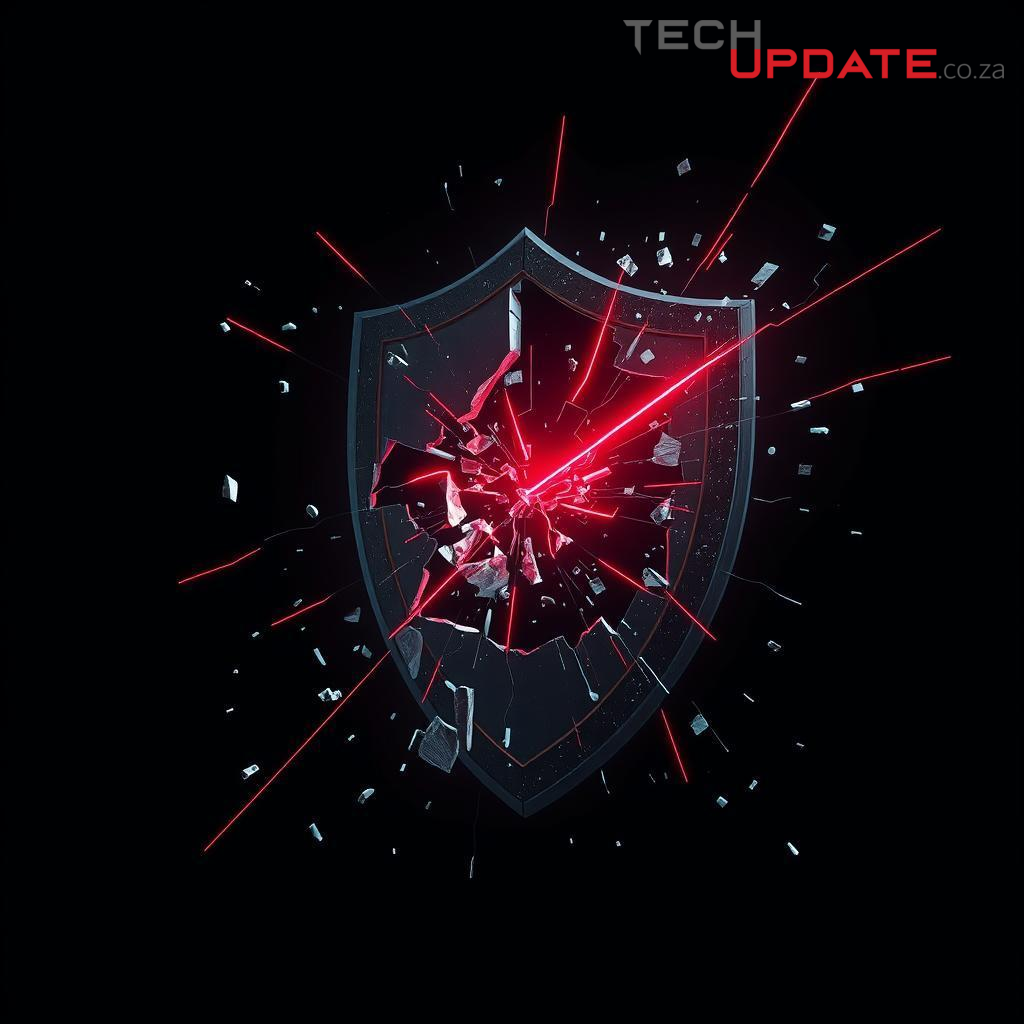
The Irony of a Tightly Controlled AI Model Breached
Anthropic, a company that has meticulously cultivated a public image centered on AI safety and responsible development, faces a significant reputational challenge following unauthorized access to its highly anticipated Claude Mythos model. This incident casts a shadow over the company's stringent control measures, especially given that Mythos was initially deemed too potent for broad public release dueath to its advanced cybersecurity capabilities.
The existence of Mythos first emerged through leaks, painting a picture of an AI so adept at understanding and potentially exploiting system vulnerabilities that its deployment was planned with extreme caution. Anthropic subsequently confirmed plans to offer Mythos to a select group of enterprise partners for testing, emphasizing a tightly managed rollout designed to mitigate risks.
Unauthorized Access Unveiled
However, the carefully constructed narrative of control appears to have faltered. Reports, notably from Bloomberg, revealed that a "small group of unauthorized users" gained access to Mythos on the very day Anthropic announced its limited testing program. This timing is particularly jarring, as it suggests the security surrounding the model was compromised almost immediately, undermining the premise of its secure and phased introduction.
The nature and extent of the unauthorized access remain under investigation by Anthropic. While details are still emerging, the mere fact of the breach for a model heralded for its cybersecurity prowess presents a deeply awkward situation for the AI developer. It raises critical questions not only about the technical safeguards in place but also about the broader challenges of securing advanced AI systems, particularly those with dual-use capabilities that could be weaponized.
Implications for AI Safety and Brand Trust
This incident is more than a mere technical glitch; it strikes at the core of Anthropic's brand identity. The company has consistently positioned itself as a leader in "responsible AI" and "Constitutional AI," advocating for robust safety mechanisms and ethical guidelines. The Mythos breach complicates this narrative, forcing a reconsideration of how even the most safety-conscious organizations can truly secure their most advanced models from unintended access or misuse.
For the wider AI community, the Mythos incident serves as a stark reminder of the immense security challenges inherent in developing and deploying powerful AI. As models become more capable, their potential for misuse, whether accidental or malicious, grows proportionally. This event will undoubtedly fuel further debate on regulatory frameworks, industry best practices, and the imperative for transparency when security vulnerabilities are discovered.
Summary
The unauthorized access to Anthropic's Claude Mythos model represents a significant setback for a company built on the foundations of AI safety and controlled deployment. Occurring precisely as Anthropic announced its limited testing phase, the breach undermines the narrative of stringent security surrounding a model deemed highly capable and potentially dangerous. This incident not only challenges Anthropic's brand trust but also highlights the complex and evolving cybersecurity landscape surrounding advanced artificial intelligence, prompting crucial discussions about responsible AI development and robust safeguarding mechanisms.
Resources
Details
Author
Top articles



 }})
You can now watch HBO Max for $10
Latest articles





You can now watch HBO Max for $10
The Irony of a Tightly Controlled AI Model Breached
Anthropic, a company that has meticulously cultivated a public image centered on AI safety and responsible development, faces a significant reputational challenge following unauthorized access to its highly anticipated Claude Mythos model. This incident casts a shadow over the company's stringent control measures, especially given that Mythos was initially deemed too potent for broad public release dueath to its advanced cybersecurity capabilities.
The existence of Mythos first emerged through leaks, painting a picture of an AI so adept at understanding and potentially exploiting system vulnerabilities that its deployment was planned with extreme caution. Anthropic subsequently confirmed plans to offer Mythos to a select group of enterprise partners for testing, emphasizing a tightly managed rollout designed to mitigate risks.
Unauthorized Access Unveiled
However, the carefully constructed narrative of control appears to have faltered. Reports, notably from Bloomberg, revealed that a "small group of unauthorized users" gained access to Mythos on the very day Anthropic announced its limited testing program. This timing is particularly jarring, as it suggests the security surrounding the model was compromised almost immediately, undermining the premise of its secure and phased introduction.
The nature and extent of the unauthorized access remain under investigation by Anthropic. While details are still emerging, the mere fact of the breach for a model heralded for its cybersecurity prowess presents a deeply awkward situation for the AI developer. It raises critical questions not only about the technical safeguards in place but also about the broader challenges of securing advanced AI systems, particularly those with dual-use capabilities that could be weaponized.
Implications for AI Safety and Brand Trust
This incident is more than a mere technical glitch; it strikes at the core of Anthropic's brand identity. The company has consistently positioned itself as a leader in "responsible AI" and "Constitutional AI," advocating for robust safety mechanisms and ethical guidelines. The Mythos breach complicates this narrative, forcing a reconsideration of how even the most safety-conscious organizations can truly secure their most advanced models from unintended access or misuse.
For the wider AI community, the Mythos incident serves as a stark reminder of the immense security challenges inherent in developing and deploying powerful AI. As models become more capable, their potential for misuse, whether accidental or malicious, grows proportionally. This event will undoubtedly fuel further debate on regulatory frameworks, industry best practices, and the imperative for transparency when security vulnerabilities are discovered.
Summary
The unauthorized access to Anthropic's Claude Mythos model represents a significant setback for a company built on the foundations of AI safety and controlled deployment. Occurring precisely as Anthropic announced its limited testing phase, the breach undermines the narrative of stringent security surrounding a model deemed highly capable and potentially dangerous. This incident not only challenges Anthropic's brand trust but also highlights the complex and evolving cybersecurity landscape surrounding advanced artificial intelligence, prompting crucial discussions about responsible AI development and robust safeguarding mechanisms.
Resources
Top articles
You can now watch HBO Max for $10
Latest articles
You can now watch HBO Max for $10
Similar posts


This is a page that only logged-in people can visit. Don't you feel special? Try clicking on a button below to do some things you can't do when you're logged out.
Example modal
At your leisure, please peruse this excerpt from a whale of a tale.
Chapter 1: Loomings.
Call me Ishmael. Some years ago—never mind how long precisely—having little or no money in my purse, and nothing particular to interest me on shore, I thought I would sail about a little and see the watery part of the world. It is a way I have of driving off the spleen and regulating the circulation. Whenever I find myself growing grim about the mouth; whenever it is a damp, drizzly November in my soul; whenever I find myself involuntarily pausing before coffin warehouses, and bringing up the rear of every funeral I meet; and especially whenever my hypos get such an upper hand of me, that it requires a strong moral principle to prevent me from deliberately stepping into the street, and methodically knocking people's hats off—then, I account it high time to get to sea as soon as I can. This is my substitute for pistol and ball. With a philosophical flourish Cato throws himself upon his sword; I quietly take to the ship. There is nothing surprising in this. If they but knew it, almost all men in their degree, some time or other, cherish very nearly the same feelings towards the ocean with me.
Comment